

This post may contain affiliate links. Please read my affiliate policy.
When cold season hits—or whenever I want to support my immune system—I reach for whole foods instead of overpriced powders. These frozen immunity cubes are made with vitamin C–rich fruits and vegetables that blend easily into smoothies and taste naturally sweet and bright. They’re an easy way to keep nutrient-dense ingredients on hand, so supporting your body feels simple, not complicated.
Table of Contents
Why These Ingredients Work Together
This blend focuses on fruits and vegetables naturally high in vitamin C and antioxidants:
- Oranges: Juicy and refreshing, they provide natural sweetness and liquid for blending.
- Papaya: Rich in vitamin C and digestive enzymes.
- Pineapple: Adds tropical flavor and additional immune-supporting nutrients.
- Mango: Brings natural sweetness and a smooth texture.
- Orange cauliflower: It’s packed with high levels of beta-carotene, containing roughly 25 times more vitamin A than the white variety and also a vitanin c
Together, these ingredients create a concentrated fruit blend that freezes beautifully and blends seamlessly into smoothies.
Save This for Later!
Enter your info below and I’ll send it straight to your inbox to save for later.
▶ Want healthy eating to stick? Start with my free 5-Day Smoothie Challenge for daily recipes, simple tips, and a tracker to build the habit — or jump into the 21-Day Cleanse for a full step-by-step reset.
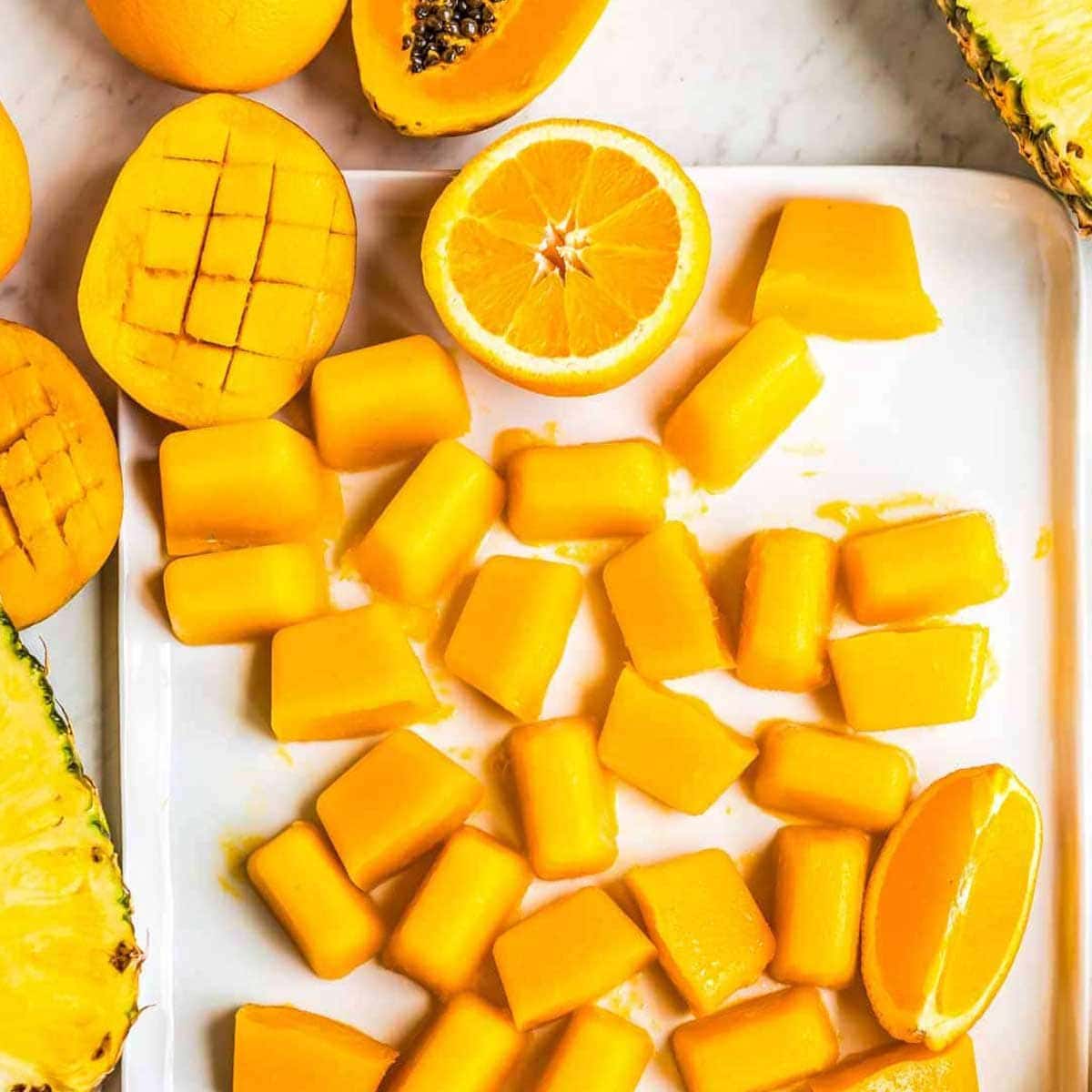
How to Make Frozen Immunity Cubes
Frozen immunity cubes make healthy habits easier to keep. You prep once, freeze, and then have nutrient-dense ingredients ready whenever you need them. No supplements, no powders—just whole foods doing what they do best.
- Place all ingredients into a blender in the order listed.
- Blend until completely smooth. The oranges usually provide enough liquid, but add a splash of water or orange juice if needed.
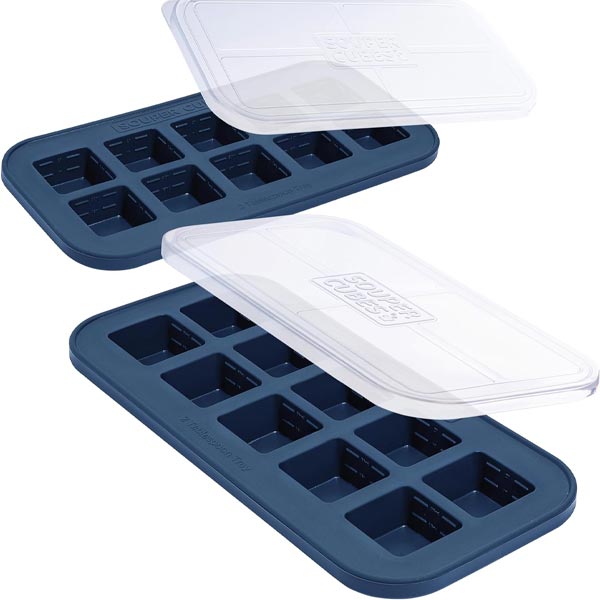
- Spoon the mixture into two 16-well ice cube trays, filling each well with about 2–2½ tablespoons.
- Freeze until solid, at least 3–4 hours or overnight.
- Transfer frozen cubes to an airtight, freezer-safe container.
How to Use Immunity Cubes
Add 4 immunity cubes to your favorite smoothie to replace about ½ cup of fruit. Adjust up or down depending on your taste and texture preferences. These cubes are especially helpful when you want an immune-supporting boost without extra prep time.
More Smoothie Cube Recipes
If you love the idea of smoothie cubes, there are plenty of ways to use them for targeted support. My anti-inflammatory blender bombs focus on ingredients that help calm inflammation, while antioxidant smoothie cubes pack as many protective nutrients as possible into one easy add-in. Electrolyte cubes are perfect for post-workout smoothies when your body needs natural hydration support, and alkaline freezer cubes bring a variety of greens together for an easy, everyday boost.
I’d love to hear how it turned out in the comment box below. Your feedback helps me and all the readers in this community. And if you’re interested in more plant-based recipes (and exclusive content), sign up for my weekly recipe newsletter.
Frozen Immunity Cubes (Vitamin C Smoothie Cubes)
Ingredients
- 2 oranges peeled and halved
- 1 cup papaya cubed or sliced
- 1 cup pineapple cubed
- 1 mango cubed
- 1 cup orange cauliflower florets see notes
Instructions
- Place ingredient into the blender in the order given.
- Puree until smooth. It should not need any liquid because of the oranges, but if it does, add a little water or orange juice.
- Spoon into two 16-well ice cube trays, about 2 to 2 1/2 tablespoons per well. Freeze until firm, at least 3-4 hours, or overnight. Transfer to an airtight, freezer-safe container. Will keep for several weeks in a normal freezer, or up to six months in a deep freezer.
- When ready to use, add 4 Vitamin C Smoothie Cubes to your favorite smoothie to replace 1/2 cup fruit. Add more or less cubes depending on preference.
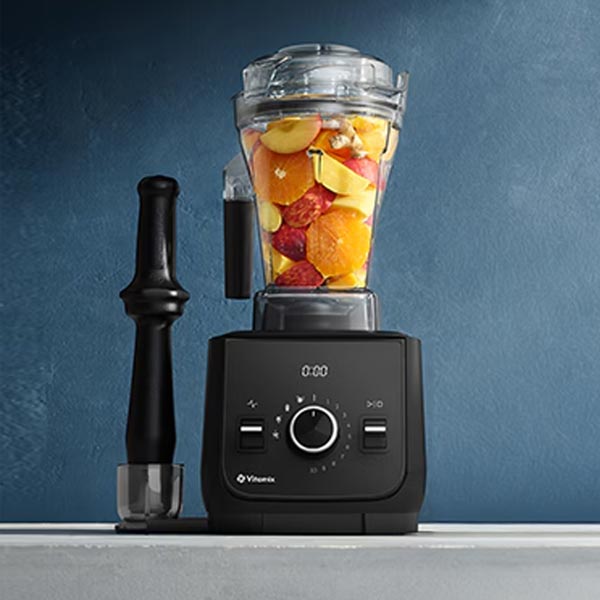
Helpful Tools
Notes
- Substitute any vitamin C-rich fruit or vegetable, such as strawberries, sweet bell pepper, cauliflower, cantaloupe, kiwi, or others in place of 1+ of the fruits listed above. Nutrition information will change with any substitutions.
- Frozen fruit and cauliflower can be substituted for the fresh fruit.









I add these to my smoothie every cold & flu season!
Totally had no idea that potatoes were a higher vitamin C food. Thanks for another great smoothie cube recipe!
I know these are for smoothies but once in a while, I like to eat one like a popsicle. 😉