
5 Meal Plan Essentials
Every plan here comes with a weekly menu, a grocery list and all the recipes, so you’re never staring into the fridge at 5 p.m. wondering what’s for dinner. The meals are built around vegetables, fruits, herbs and plant-based proteins, and they’re as delicious as they are nutritious.
When life gets busy, it’s easy to fall back on drive-thru lunches and cereal for dinner. A little planning changes that. Whether you’re juggling work, running kids around town, enjoying retirement or training for your next race, a plan saves you time, money and the daily “what’s for dinner?” decision.
Around here, it’s a lifestyle, not a diet. Pick the plan that fits your goal: weight loss, plant-based, Daniel Fast, Mediterranean or the 3-Day Smoothie Diet. Not sure where to begin? Start with the plant-based meal plan.
Here’s what makes a meal plan work:
- Menu: Knowing what to eat, and when, takes the guesswork out of the week. Every plan includes a calendar-style menu. Print it and stick it on the fridge to stay on track.
- Grocery list: A list of exactly what to buy is the secret to planning that sticks. We calculate the amounts for you, from cups of black beans to ounces of quinoa, so shopping is quick and nothing goes to waste.
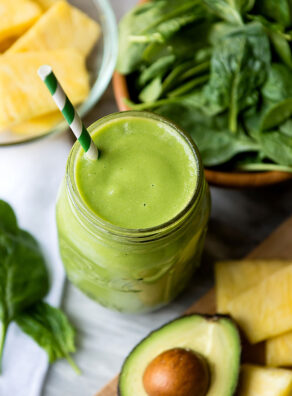
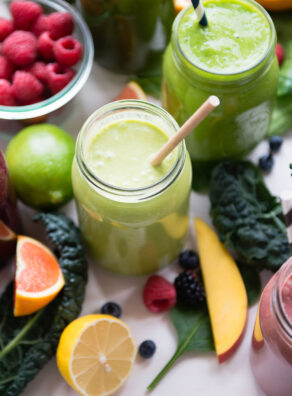
- Daily smoothie: A smoothie is an easy way to get more greens in every day. Each plan includes a few smoothie recipes to boost your energy and keep you going.
- Protein-rich snacks: No one plans well when they’re hangry. Every plan has plant-based snacks with plenty of protein to keep hunger away between meals.
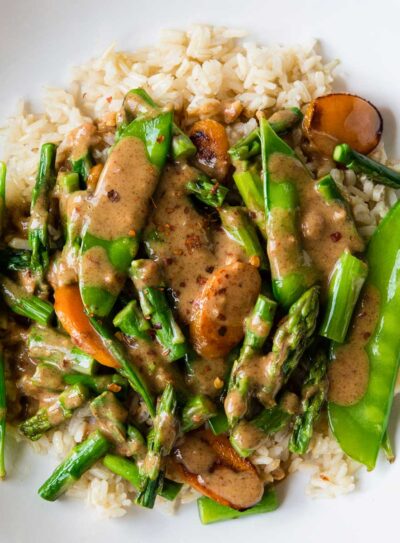
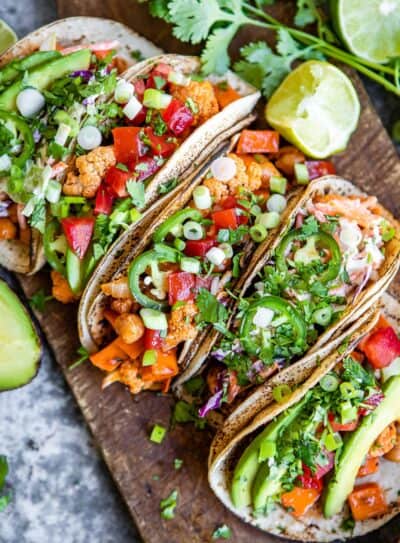
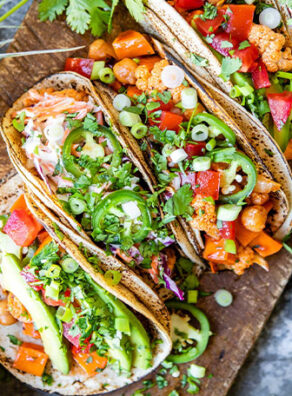
- Plant-based dinners: Vegetables are the star of our dinners, which is an easy way to add fiber and nutrients to your day. Browse more plant-based dinner recipes if you want ideas beyond the plans.
Seasonal Meal Plans


Healthy Meal Plan Resources
I’m not gonna lie: it takes commitment and time to meal plan, but it’s absolutely worth it. The amount of much money and time you save not having to worry about what to eat is huge! Plus, seeing the physical results that happen when you eat healthy meals is encouraging. I wanted to share a few resources that have helped me meal plan.
- Produce Buying Guide: Decided what to buy organic or conventional can hurt your head. I follow this guide to let me know what’s important to buy organic… and not worry about the rest.
- Smoothie Prep Guide: I’m the biggest smoothie fan there ever was— and have some great tips to help you prep ahead your smoothies each week.
- Salad Meal Prep Guide: I like to make my salad dressing from scratch and prep as much of my salads as I can to make it an easy grab and go meal.
Rawk the Year
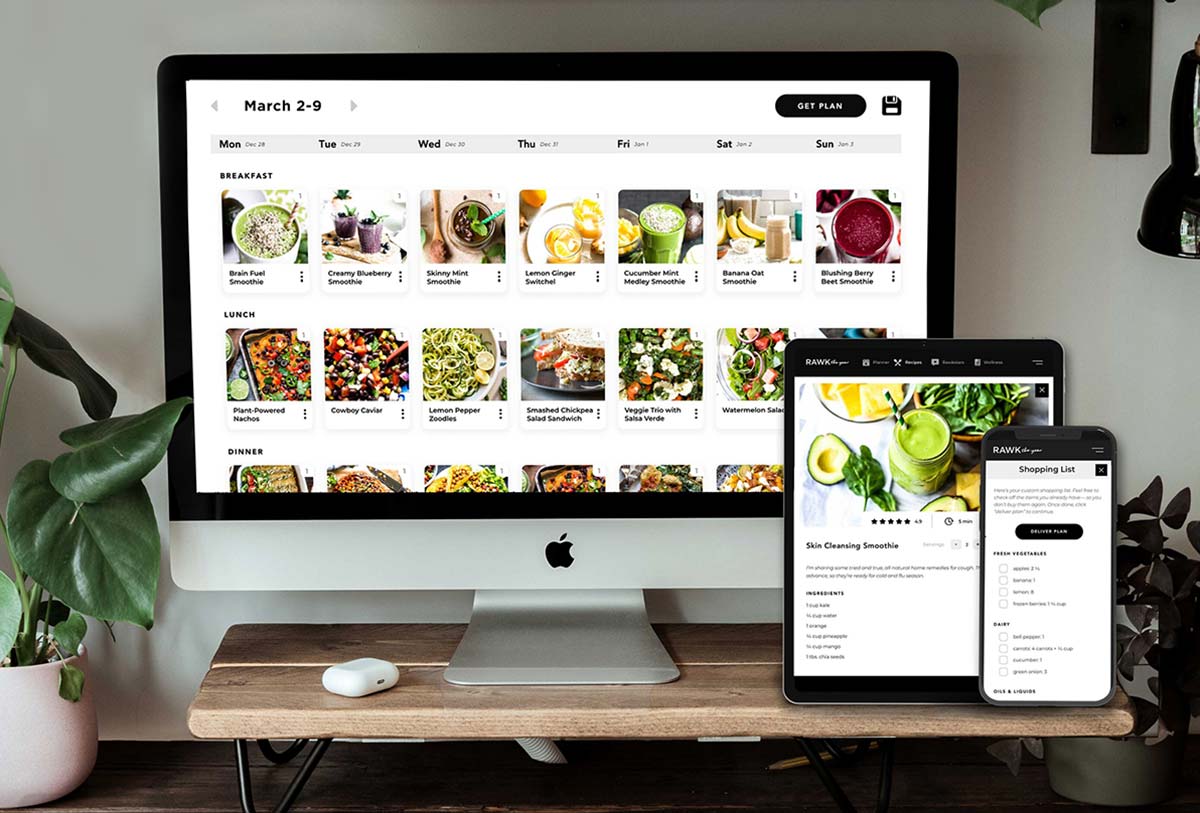
Customizable Meal Planner
Create your own custom meal plans using my Meal Planner. Take the hassle and stress out of meal planning and join today!
Common Questions
What is an ideal healthy meal plan?
Incorporating a large amount of fruits, vegetables, whole grains, legumes, nut and seeds is the foundation to a healthy meal plan. Incorporating small amounts of lean meat, chicken, eggs and fish is a wonderful way to boost it with additional nutrients.
What healthy meals should I eat to lose weight?
Following a healthy meal plan that promotes weight loss is a great way to get long term results. You should includes meal like the following in your weekly menu: roasted vegetables with brown rice, avocado and dark leafy greens, oatmeal and walnuts, and black beans and peppers.
What are the 3 foods to stop eating?
Refined sugars, saturated fat and highly-processed foods are the top three foods to avoid when embracing a healthy lifestyle. Avoid these three items because they are bad for your overall gut health, highly caloric and nutritionally empty, making them harmful to your body. Examples of these three foods are: soda, candy, fried foods and most foods that come in a package with more than 5 ingredients on the label.
What’s the healthiest meal to eat?
Some of the healthiest meals you can eat are: meal replacement smoothies, roasted vegetables with a plant-based protein-rich sauce, whole grain oatmeal with berries, sauteed leafy greens with brown rice. Adding healthy meals to your meal plan menu is a great way to improve your overall health.
Search all