
This post contains affiliate links.
Choosing between non-dairy milk alternatives gets a lot easier when you start with what you’re making. Each carton does one job best, and protein ranges from zero to 8 grams per cup.
Most weeks, my fridge door holds two or three cartons at once. Almond milk goes into my smoothies, oat milk goes into iced lattes, and canned coconut milk waits for curry night. Below, I match each milk to the recipes it suits, with protein numbers and the brands I buy. If you came for recipes, start with my dairy-free smoothies.
What's in this post
What Is Non-Dairy Milk?
Non-dairy milk is a drink made by blending plants with water, then straining out the pulp. Brands start with nuts, grains, seeds or legumes, like almonds, oats, hemp or peas. It has no lactose and no cow’s milk protein. Also, many U.S. brands add calcium and vitamin D to their cartons.
Which Non-Dairy Milk to Use
Here’s my quick cheat sheet for the milk aisle. Every pick is unsweetened, and protein numbers are per 1-cup serving.
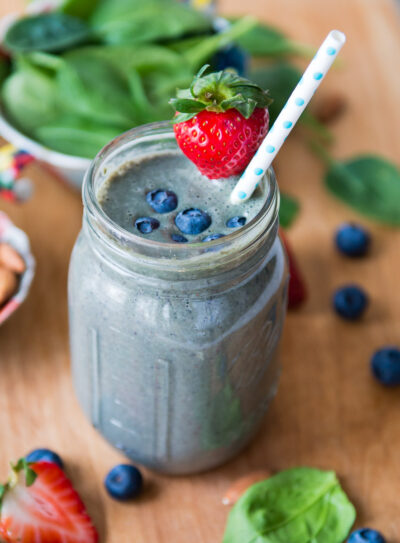
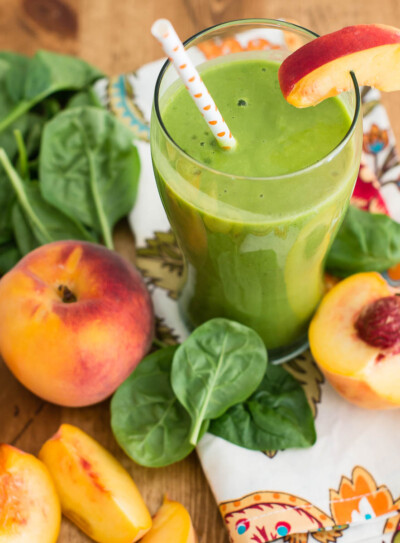
- Smoothies: Unsweetened almond milk is thin and mild, so the fruit and greens lead the flavor. For a protein-packed blend, use soy or pea milk instead.
- Coffee and lattes: Oat milk is creamy and froths well, especially barista versions. That said, I still pour half-and-half into my own black coffee.
- Baking: Soy milk is the closest swap for cow’s milk in muffins and pancakes. Oat milk comes in a close second.
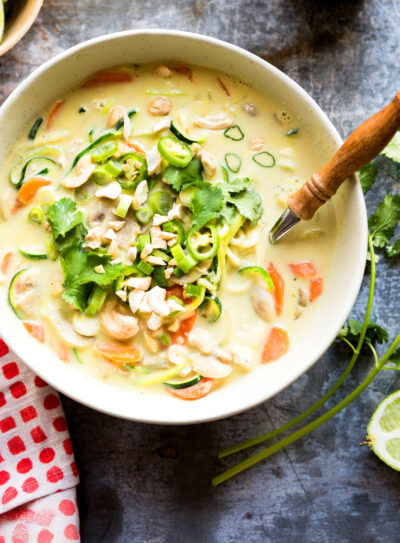
- Soups, sauces and curries: Cashew milk turns soups silky. Full-fat canned coconut milk makes curries rich and creamy.
- Cereal and oatmeal: Almond, oat or hemp milk all work, so pick the flavor you like best.
- Most protein: Pea milk has about 8 grams per cup, and soy milk has 7 to 8 grams.
- Nut-free kitchens: Oat, hemp and pea milk skip nuts entirely.
Almond Milk
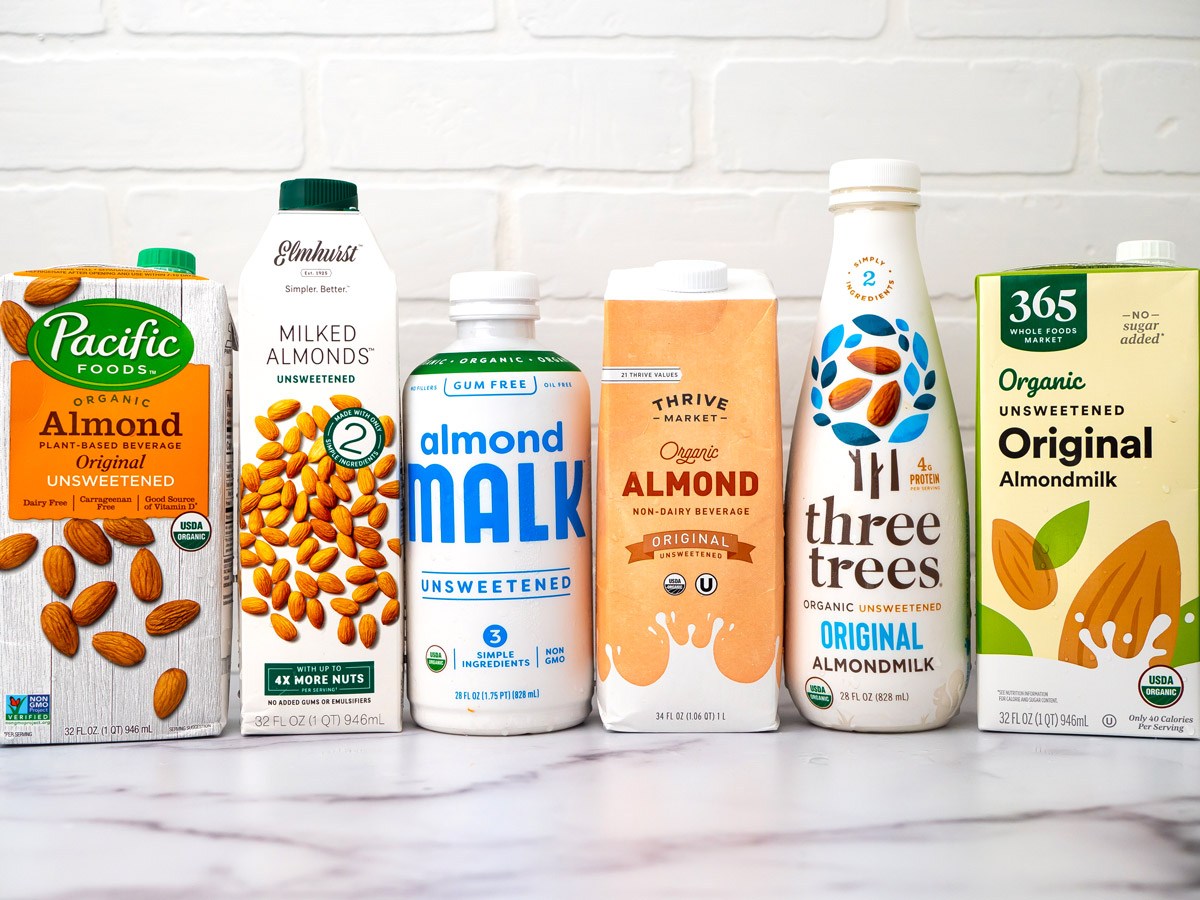
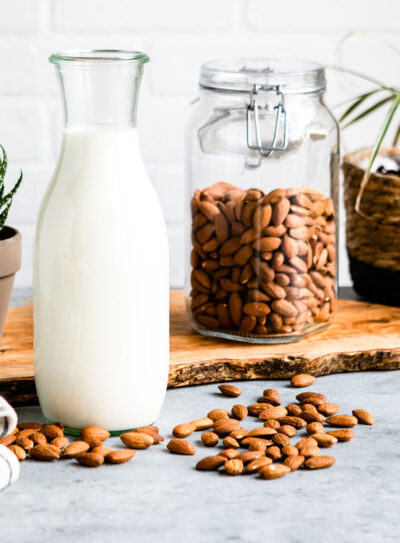
Almond milk is the one I reach for most, and nearly every store carries it. It tastes mild and lightly nutty, with a thin, smooth texture. Unsweetened almond milk has about 30 calories and 1 gram of protein per cup.
- Best for: Smoothies, cereal, overnight oats and warm drinks. It also works well if you avoid soy or grains.
- What to buy: Elmhurst Unsweetened Almond Milk is my top pick for its short ingredient list. Then compare my five favorites in my best almond milk brands guide.
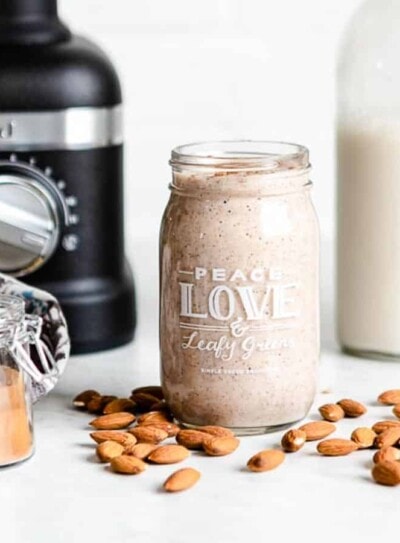
- Make it at home: Soak raw almonds overnight for the creamiest milk. You’ll find my homemade almond milk recipe in the cards below.
Ways to Use Almond Milk

Oat Milk
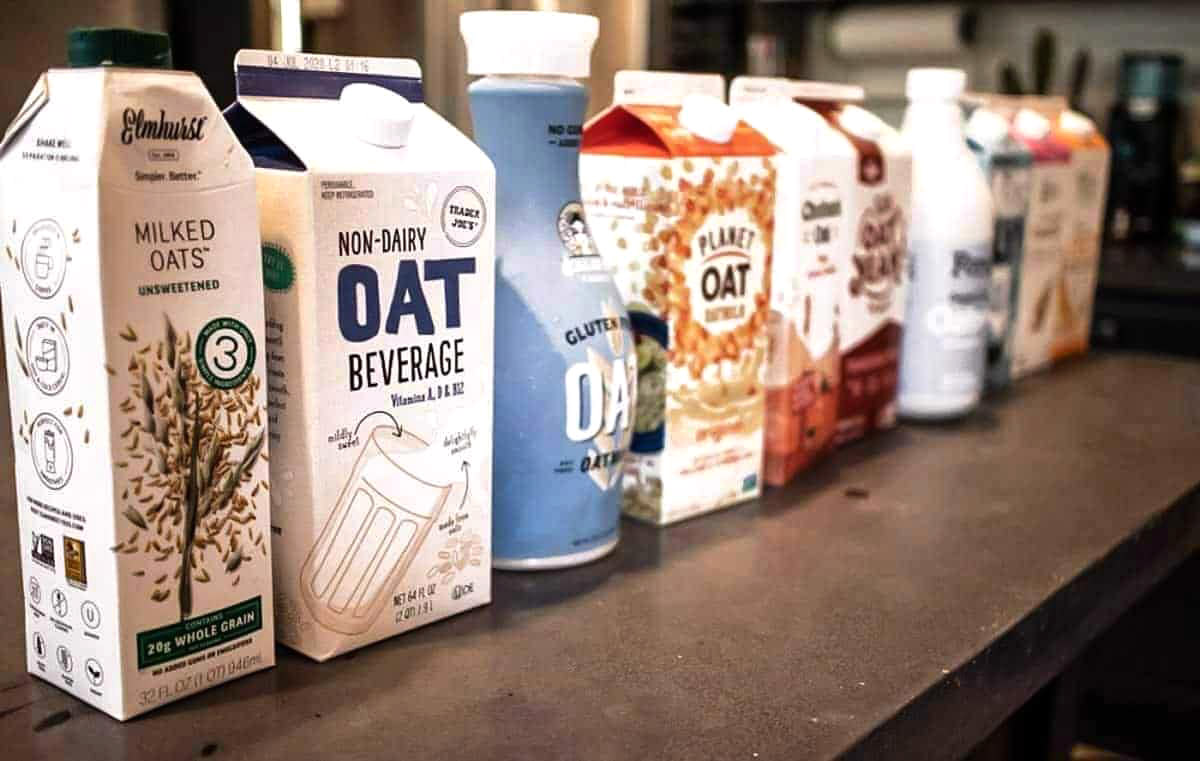
Oat milk is creamy and lightly sweet, which makes it the dairy-free favorite for coffee. It has more carbs than nut milks, plus about 2 to 4 grams of protein per cup. If you avoid gluten, choose a carton labeled certified gluten-free.
- Best for: Lattes, coffee, oatmeal and creamy smoothies.
- What to buy: Califia Farms Extra Creamy Oatmilk took first place in my taste test. For more options, see my oat milk brands picks.
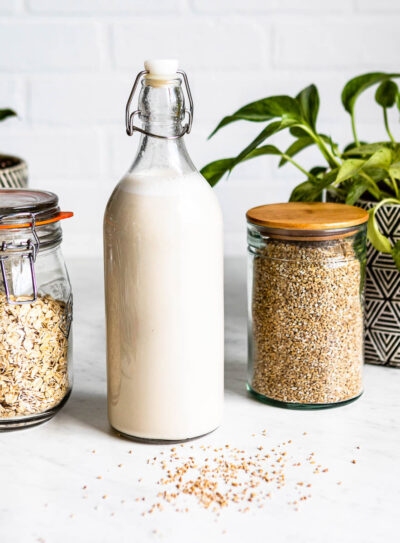
- Make it at home: Use cold water, blend briefly and strain right away so it stays smooth, not slimy. My homemade oat milk recipe is in the cards below.
Ways to Use Oat Milk


Coconut Milk
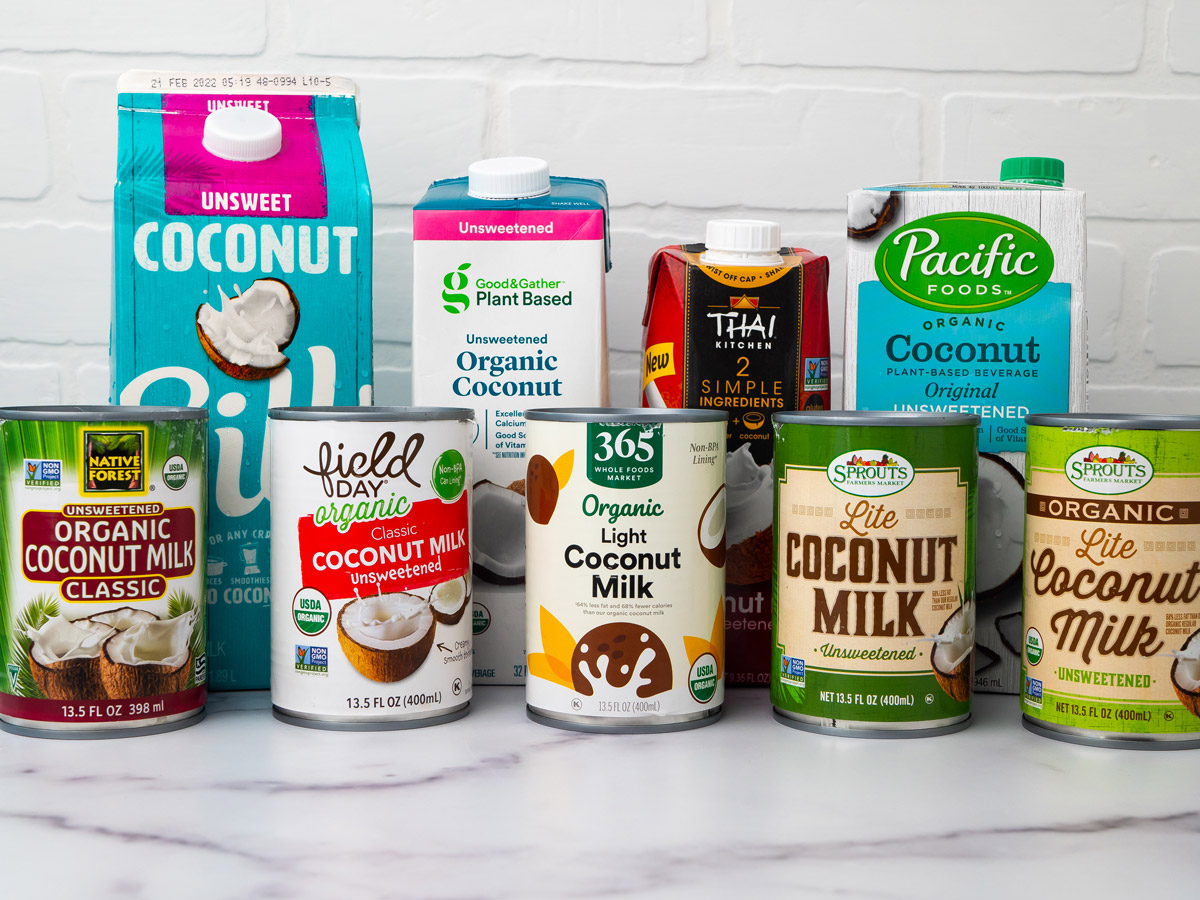
Coconut milk is rich and creamy, with a gentle tropical flavor. Canned coconut milk is thick and high in fat, so it shines in curries and soups. Carton coconut milk is much thinner, with about 40 calories and almost no protein per cup.
- Best for: Curries, soups, sauces, desserts and tropical smoothies.
- What to buy: Grab full-fat canned for cooking, and light canned or carton for smoothies. My coconut milk brands guide compares the cans I trust.
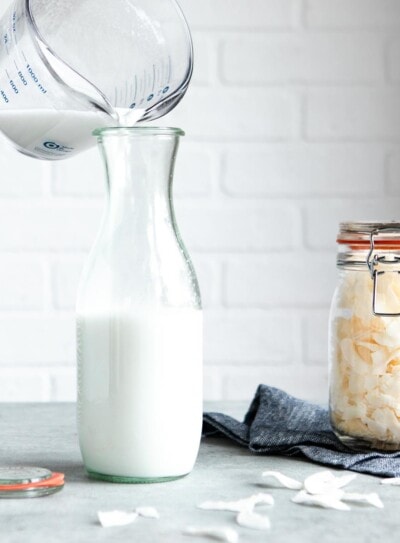
- Make it at home: Blend shredded coconut with hot water, then strain. My homemade coconut milk recipe is in the cards below.
Ways to Use Coconut Milk

Cashew Milk
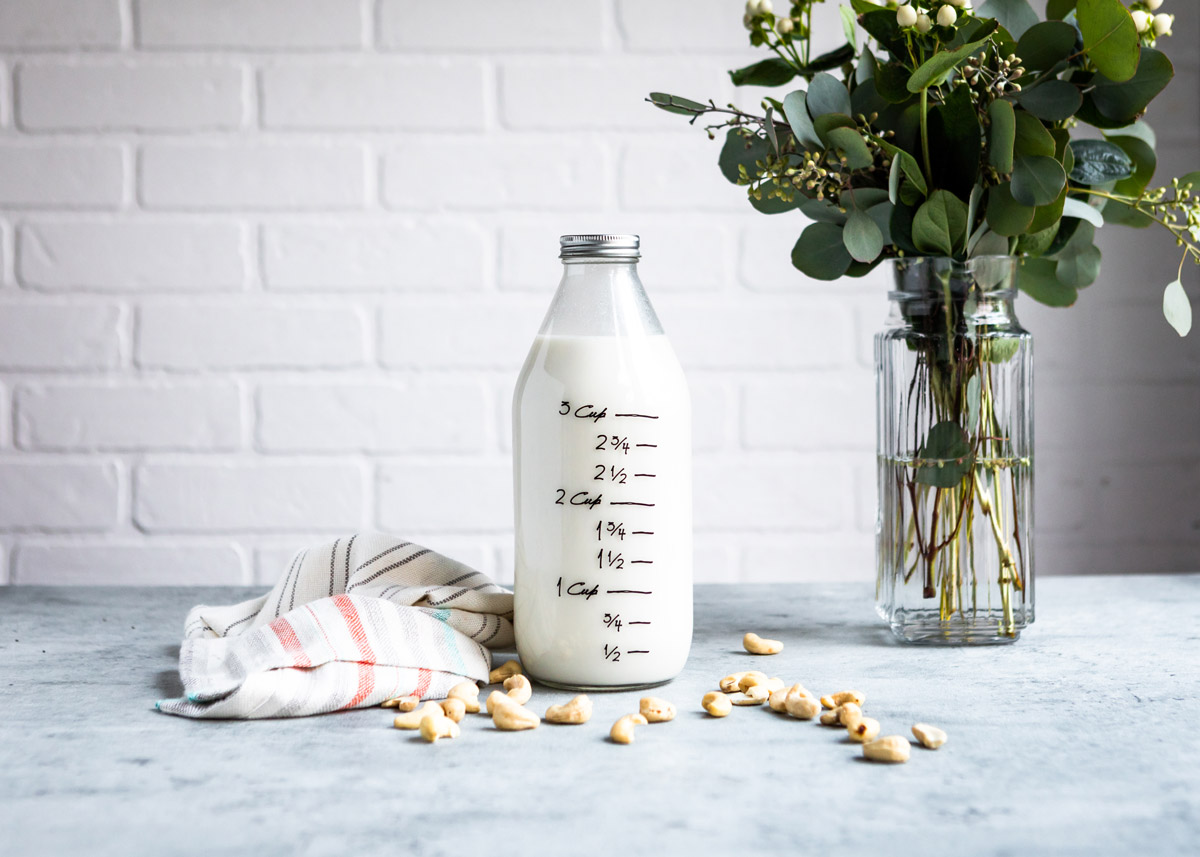
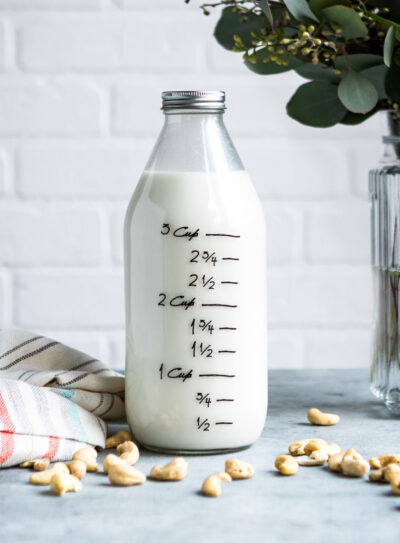
Cashew milk is one of the silkiest plant-based milks, thanks to the natural fat in cashews. It tastes neutral, so it slips into sweet and savory recipes without taking over. Most unsweetened cartons have about 25 calories and 1 gram of protein per cup.
- Best for: Creamy soups, sauces, homemade yogurt and silky smoothies.
- What to buy: Look for a short ingredient list, like Elmhurst Milked Cashews or Malk Cashew Milk.
- Make it at home: Soak raw cashews overnight, or use a quick hot-water soak when you forget. My homemade cashew milk recipe is in the cards below.
Ways to Use Cashew Milk
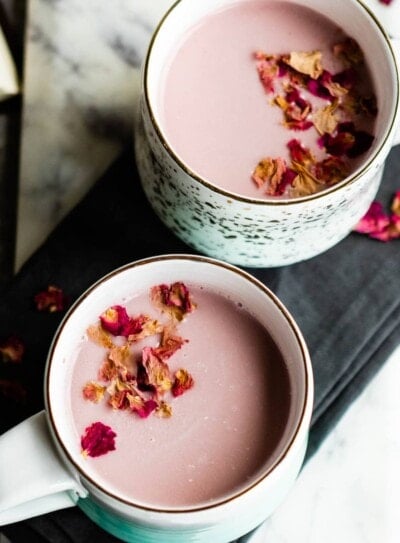
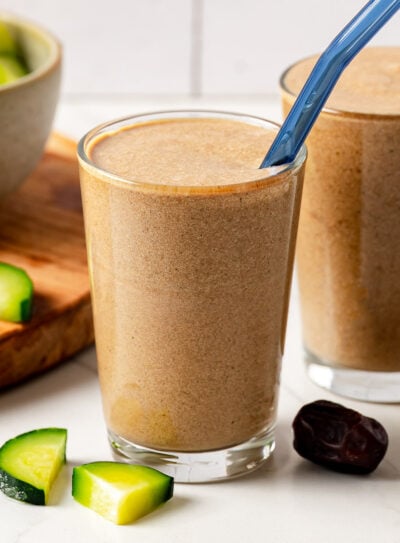
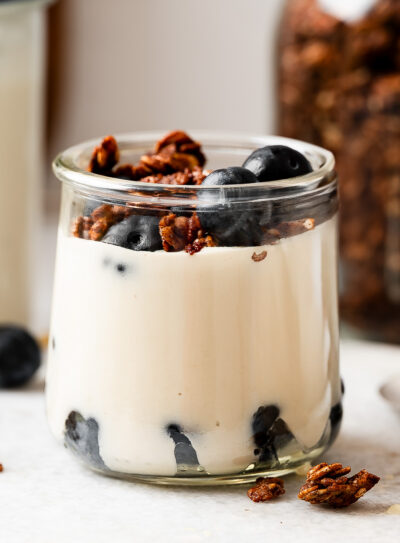
Hemp Milk
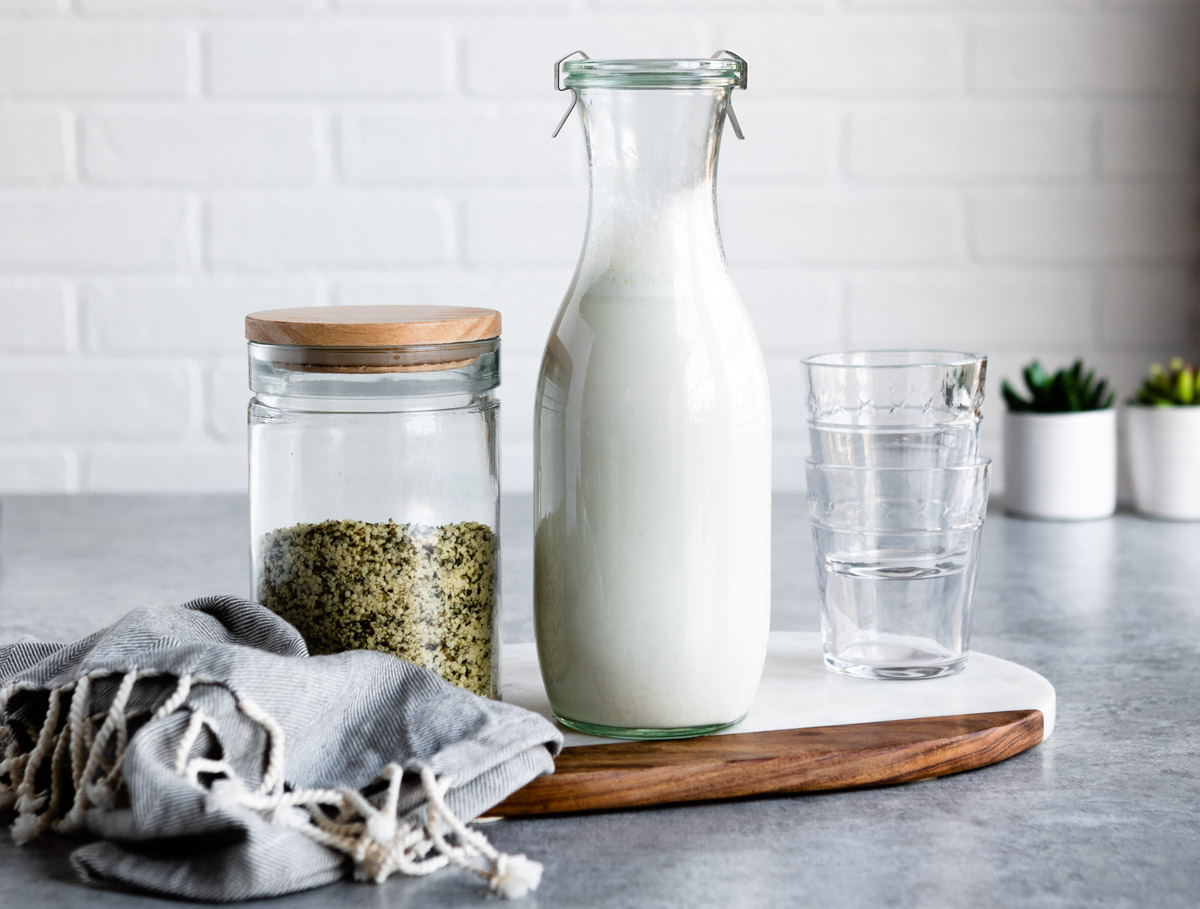
Hemp milk comes from hemp seeds, and it’s one of the easiest milks to make at home. It tastes mildly nutty and a little earthy, with a creamy body. In fact, it has about 3 grams of protein per cup, more than most nut milks.
- Best for: Smoothies, cereal and post-run blends.
- What to buy: Look for unsweetened hemp milk made with few ingredients, like Joi Hemp Base. Pacific Foods Unsweetened Hemp is easier to find, though it has more extras than I like.
- Make it at home: Hemp seeds need no soaking, so you can blend and pour in minutes. Here’s how to make hemp milk step by step.
Other Milk Alternatives You’ll See
- Soy milk: It has 7 to 8 grams of protein per cup, close to cow’s milk. It’s also a classic pick for baking, though some people notice a beany flavor.
- Pea milk: It has about 8 grams of protein per cup, and most brands add calcium. However, its slightly gritty texture puts it near the bottom of my list.
- Macadamia milk: It tastes rich and buttery in coffee and baking. That said, it’s harder to find and usually costs more.
- Rice milk: It’s naturally sweet and very thin, with less than 1 gram of protein per cup. That makes it a weak pick as your main milk.
How Non-Dairy Milk Compares to Cow’s Milk
These numbers are typical for 1 cup of unsweetened, unflavored milk. Brands vary, so check the label on your carton.
| Milk (1 cup) | Calories | Protein | Texture |
|---|---|---|---|
| Almond milk | About 30 | 1g | Thin, lightly nutty |
| Oat milk | 110–130 | 2–4g | Creamy, lightly sweet |
| Coconut milk (carton) | About 40 | 0g | Rich, tropical |
| Cashew milk | About 25 | 1g | Silky, neutral |
| Hemp milk | About 60 | 3g | Creamy, earthy |
| Soy milk | About 80 | 7–8g | Creamy, beany |
| Pea milk | 80–90 | 8g | Thick, slightly gritty |
| Cow’s milk (whole) | About 150 | 8g | Rich, creamy |
Soy milk, pea milk and cow’s milk all land near 8 grams of protein per cup. Meanwhile, almond, cashew and coconut milk sit close to zero. That’s why I add hemp hearts or a scoop of protein powder when I blend with them.
Common Questions
Unsweetened almond milk is the best all-around non-dairy milk for smoothies. It’s thin and mild, so fruit and greens lead the flavor. For more protein, use soy or pea milk instead.
Pea milk and soy milk have the most protein, with about 7 to 8 grams per cup. That’s close to cow’s milk. Almond, cashew and coconut milk have about 1 gram or less.
Oat milk is the most popular non-dairy milk for coffee because it’s creamy and froths well. Barista versions froth best for lattes. Soy milk also foams nicely in hot coffee.
No. Lactose-free milk is cow’s milk with the enzyme lactase added. Non-dairy milk comes from plants, so it contains no dairy at all.
Yes. Swap unsweetened non-dairy milk for cow’s milk 1:1 in most muffins, pancakes and quick breads. Soy milk works best because its protein is closest to cow’s milk. Oat milk is a close second.