

This post may contain affiliate links. Please read my affiliate policy.
I’m breaking down my favorite low sugar fruits, explaining why natural fruit sugar is different from processed sugar, and sharing a simple smoothie formula you can use every day.
Have you ever skipped making a smoothie after checking the sugar content? If so, this post is for you. Smoothies are one of the easiest ways to eat more plants, but sugar can feel confusing or even intimidating. I want to help you feel confident choosing fruits that keep your smoothies balanced, satisfying, and blood-sugar friendly—without sacrificing flavor.
Table of Contents
Why I Care About Sugar in Smoothies
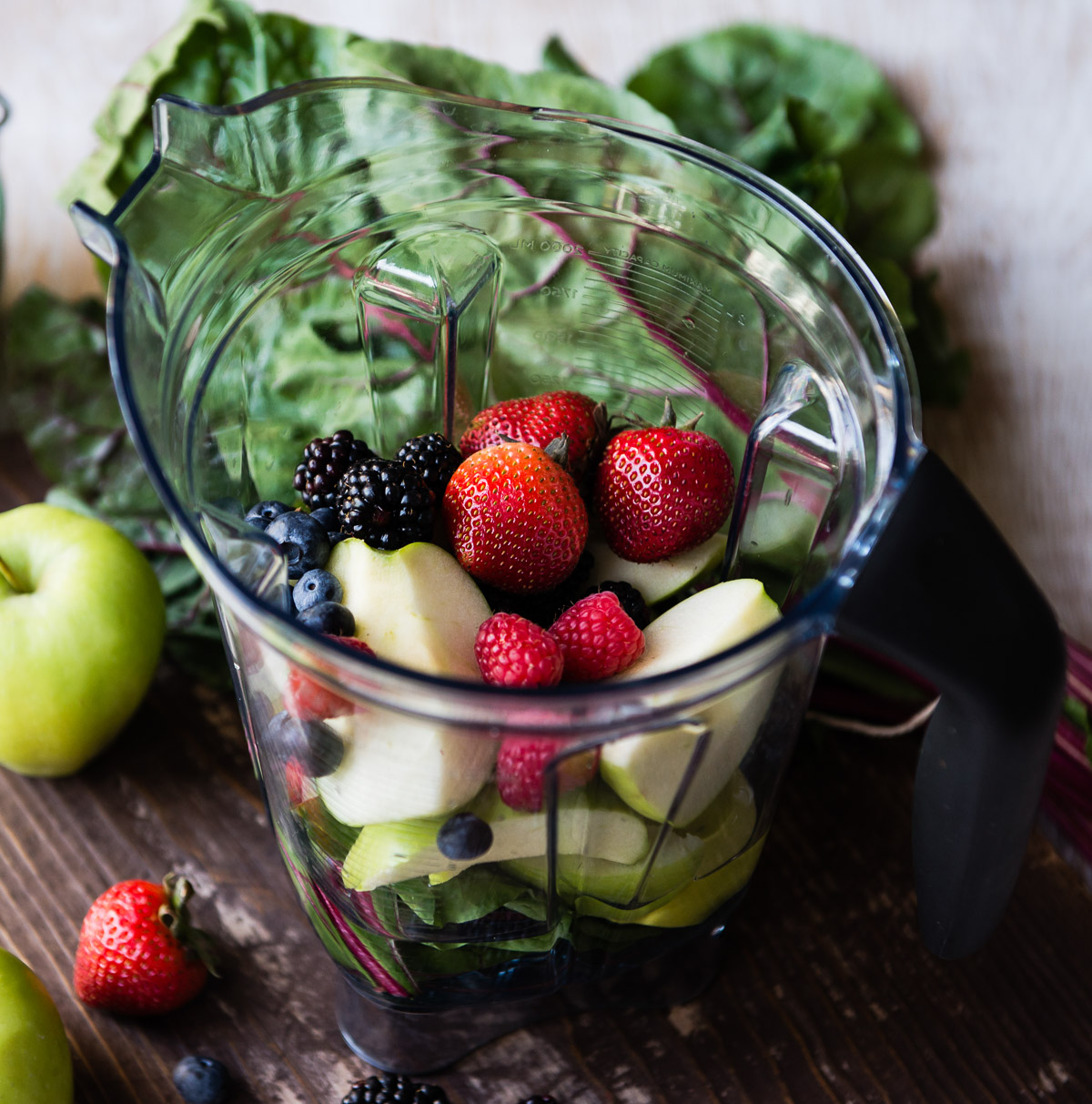
Drinking one smoothie a day is one of the simplest habits I know for supporting a healthy diet. Yet learning how to make a smoothie can be tricky. There’s something powerful about sipping 16 ounces of leafy greens, fruit, and plant-based goodness. It supports digestion, boosts nutrient intake, and yes—often shows up as clearer skin and better energy. But if concerns about sugar are keeping you from blending, I want to remove that roadblock. You can enjoy smoothies while keeping your blood sugar happy.
Top 12 Low Sugar Fruits
These fruits are naturally lower in sugar and work beautifully in smoothies, especially when paired with greens, plant-based protein, and healthy fats.
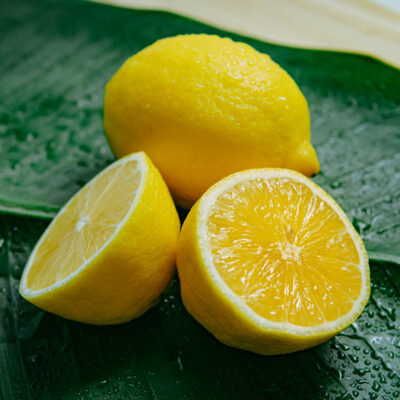
Lemon
1-2 g sugar per fruit
Bright, tart, and refreshing, lemon adds a clean citrus punch without sweetness. It pairs well with leafy green vegetables, berries, cucumber, and ginger to balance flavors and wake up your smoothies, like my lemon smoothie.
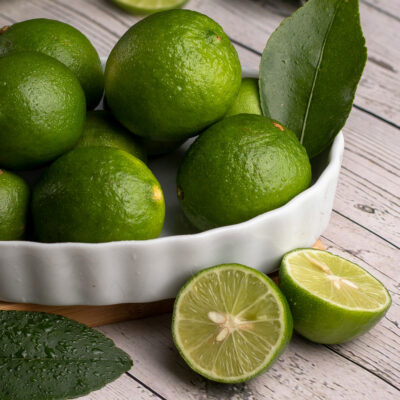
Lime
1-2 g sugar per fruit
Lime has a sharp, zesty flavor that adds instant freshness with almost no sugar. It works beautifully with tropical smoothies like mango or pineapple, and also with greens, avocado, and herbs in my lime popsicles.
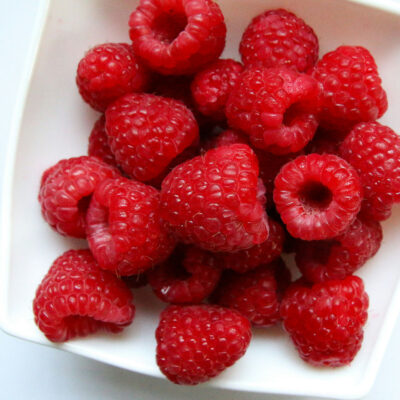
Raspberry
5 g sugar per cup
Raspberries are tangy, slightly sweet, and packed with tiny seeds that add texture. They pair well with vanilla, cacao, lemon, and creamy bases like coconut milk in my raspberry smoothie.
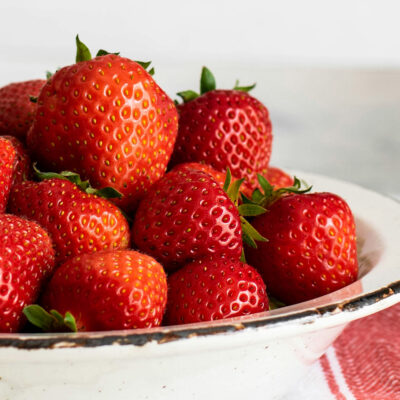
Strawberry
7 g sugar per cup
Strawberries are lightly sweet with a juicy, familiar flavor most people love. They blend great, making a popular strawberry smoothie, and pair well with banana, spinach, citrus, and nut butters.
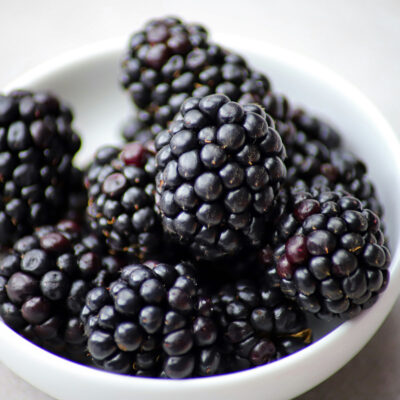
Blackberry
7 g sugar per cup
Blackberries have a deep, rich berry flavor with mild tartness and visible seeds. They pair well with apple, pear, lemon, and greens, especially when blended with a high-speed blender into a blackberry smoothie.
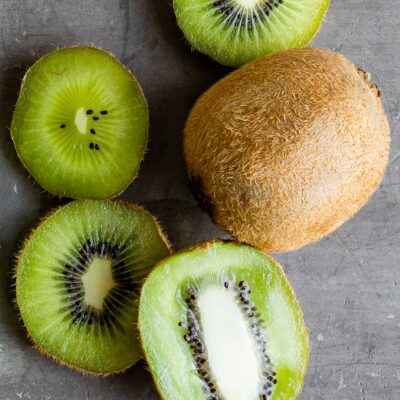
Kiwi
6 g sugar per fruit
Kiwi is bright, tangy, and slightly tropical with a soft, creamy texture when blended. It pairs well with strawberries, pineapple, spinach, and citrus for a refreshing kiwi smoothie.
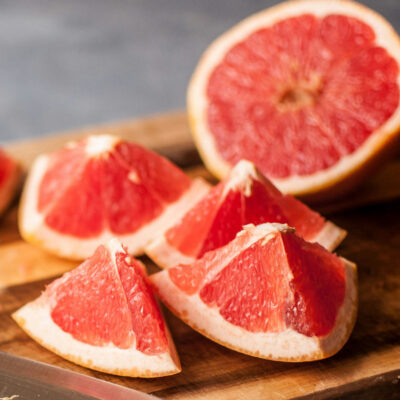
Grapefruit
9 g sugar per 1/2 fruit
Grapefruit is juicy and bittersweet, adding bold citrus flavor without much sugar. It pairs well with strawberries, oranges, spinach, and mint to balance its bite in my grapefruit smoothie recipe.
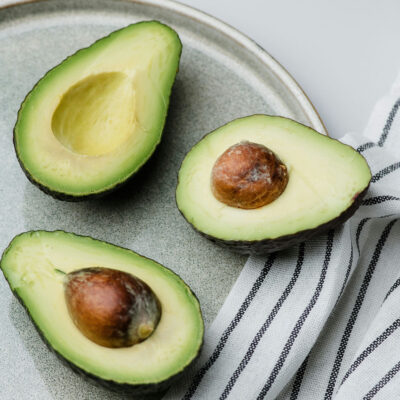
Avocado
1 g sugar per fruit
Avocado is mild, creamy, and nearly sugar-free, making it perfect for thickening smoothies. It pairs well with berries, cocoa, vanilla, greens, and citrus for balance, like my avocado smoothie.
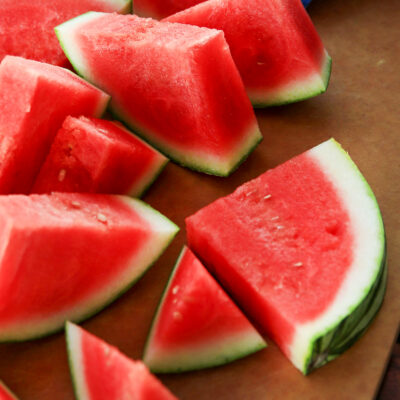
Watermelon
10 g sugar per cup
Watermelon is light, juicy, and refreshing with a subtle sweetness. It pairs well with lime, mint, cucumber, strawberries, and leafy greens for hydrating smoothies. My watermelon smoothie is the ultimate summer refresher.
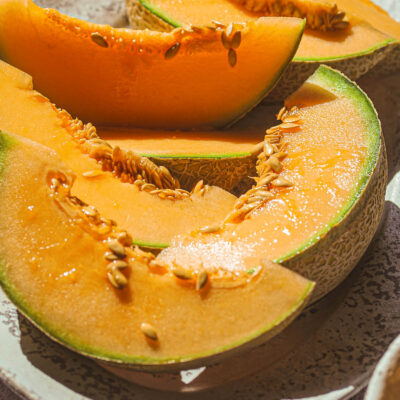
Cantaloupe
13 g sugar per cup
Cantaloupe is soft, juicy, and gently sweet with a mellow flavor. It pairs well with citrus, ginger, yogurt, and berries to keep smoothies light and refreshing. Make my cantaloupe smoothie to see how sweet it can be.
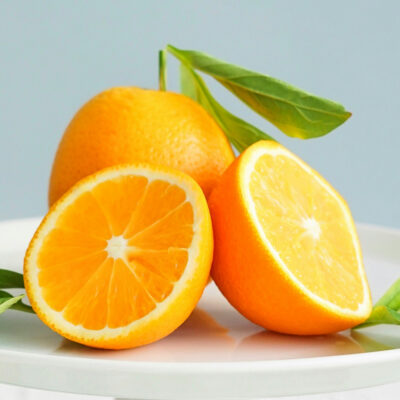
Orange
12 g sugar per fruit
Oranges are bright, juicy, and naturally sweet with a smooth citrus flavor. They pair well with carrots, strawberries, spinach, and tropical fruits for balanced smoothies. Blend it with non-dairy milk to make a delicious orange julius smoothie
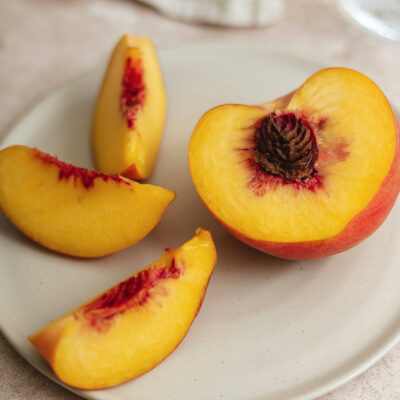
Peach
13 g sugar per fruit
Peaches are soft, juicy, and mildly sweet with a floral flavor. They pair well with berries, vanilla, almond milk, greens, and ginger for creamy, comforting smoothies. My peach smoothie is the perfect blend to get you started.
Natural Sugar VS Processed Sugar
Not all sugar is created equal. Fruit contains natural sugar plus fiber, water, vitamins, and antioxidants. Fiber slows sugar absorption and helps prevent sharp blood sugar spikes—something refined sugar can’t do. Research shows that regular fruit intake is associated with better metabolic health, not weight gain. That said, if fruit causes blood sugar spikes for you, it’s always wise to work with a practitioner to find what works best for your body.
My Low Sugar Smoothie Formula
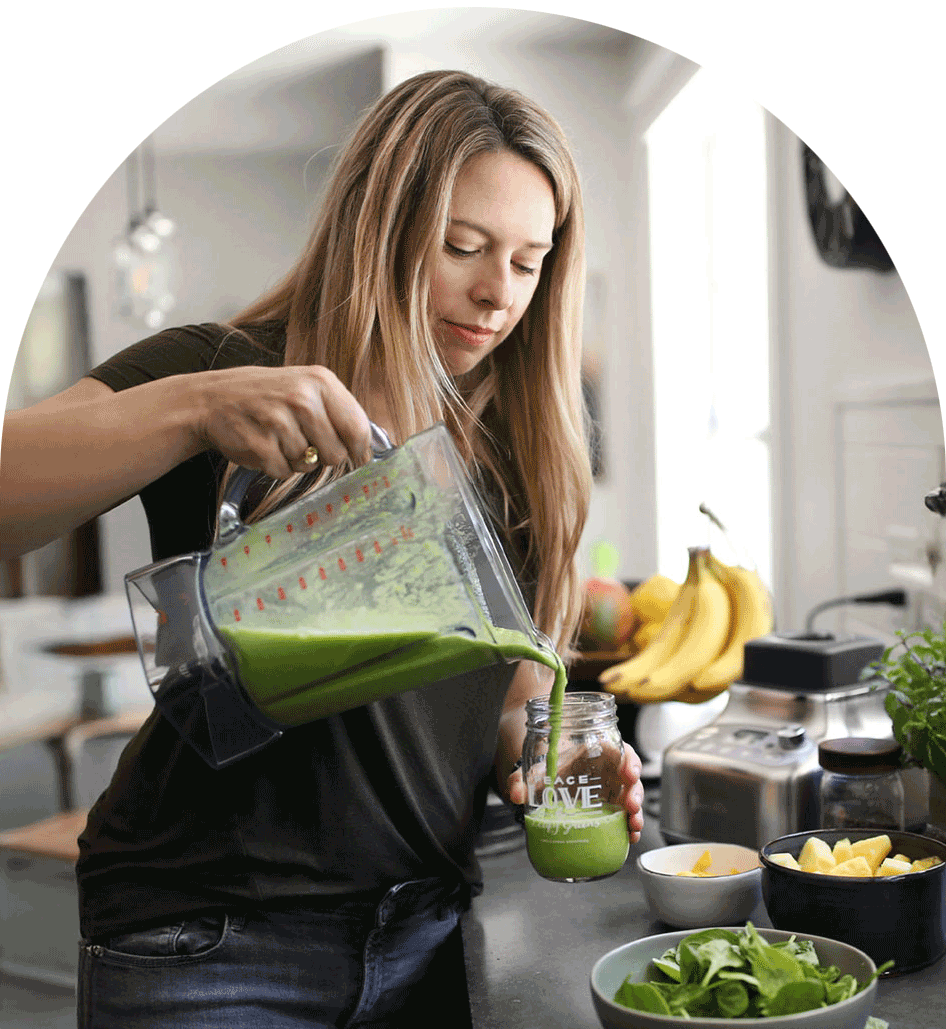
My go-to formula for my green smoothies are: 1.5 cups fruit + 1 cup leafy greens + 1 cup liquid
If you’re watching sugar, swap it: 1.5 cups leafy greens + 1 cup fruit + 1 cup liquid
You still get a sweet, delicious smoothie—just with more fiber and fewer sugars. This approach works especially well for anyone managing blood sugar or looking for steadier energy.
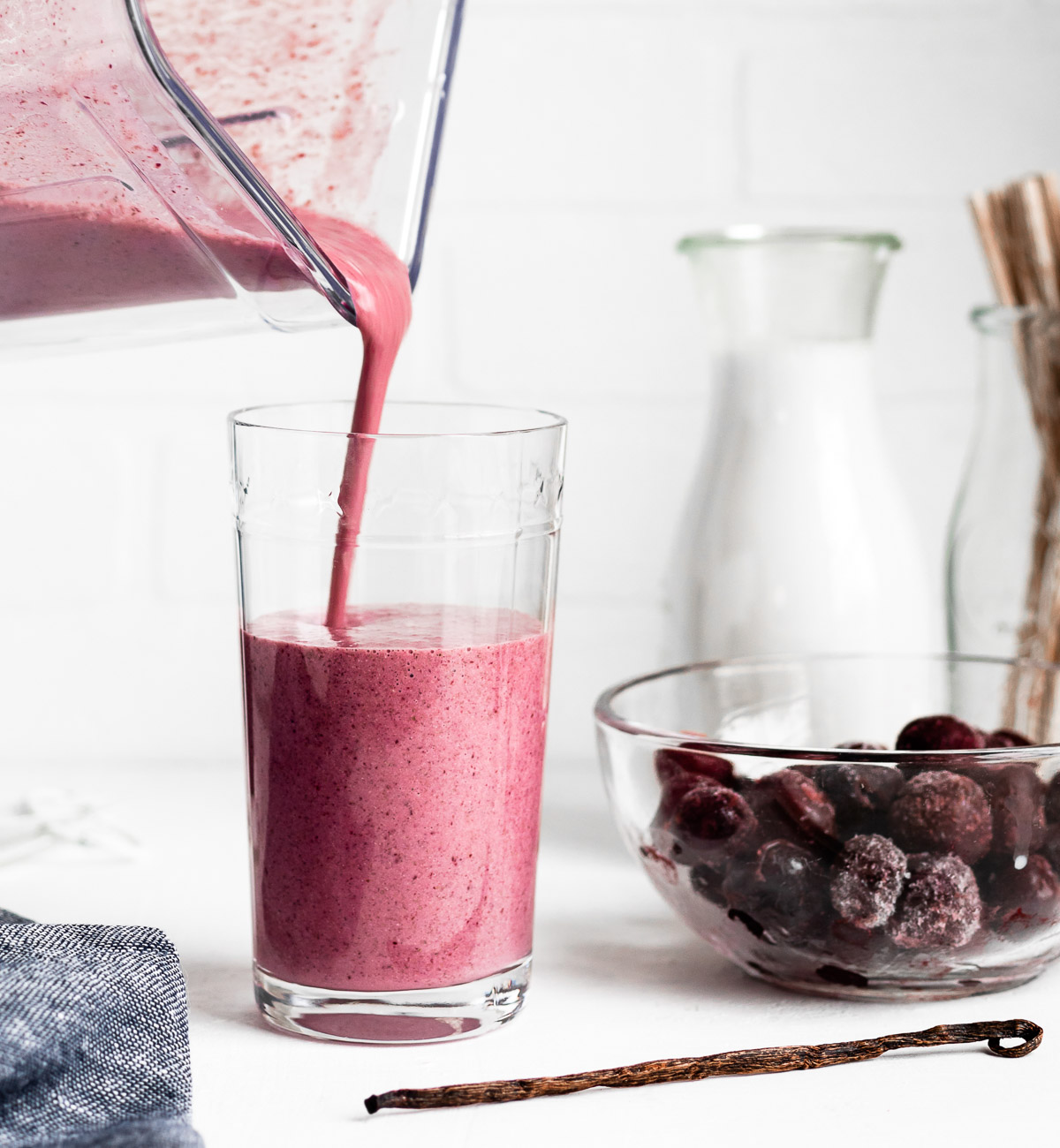
Low-Sugar Fruit Smoothie Recipes
Here’s a few more low-sugar fruit smoothies to try:
All of the smoothies above have less than 20 grams of sugar per serving. Plus, they’re loaded with fiber to help process that sugar into useable energy in the body. If you are looking for smoothies low in sugar then check out my smoothie for diabetics… or just anyone looking for a sugar stable drink.
Common Questions
While fruits naturally have some sugar, there are options that are low… and have fiber to help your body process that natural sugar to keep your glucose from spiking. This includes: papaya, lemons, watermelon, grapefruit, raspberries, strawberries and blackberries.
Pomegranates, mango, bananas and oranges are higher in natural sugar. Choose greener bananas for a lower sugar option and eat these after eating a meal loaded with vegetables, protein and healthy fat to lower a potential sugar spike.
Stick to my low sugar fruit list for fruits that will give you the smallest amount of natural sugar, and eat those fruits after eating other foods like vegetables, protein and healthy fat. Eating fruit with things like almonds, cashews, nut butter, in a salad with plenty of vegetables and leafy greens, or with a meal or in a green smoothie can all help your body best process those fruits.









Love the options, so varied. I also add parsley for a boost of iron, and a great green colour!
I add celery and cucumber (in addition to my base of kale or spinach) and then 1-2 frozen fruits. That way its not just a veggie base and a bunch of fruit! Also, I add ground flaxseed and sometimes hemp hearts, too. Balance 🙂
An allergy test confirmed that I am allergic to raw sugars, that includes fruit. I had stopped making green smoothies due to the stomach cramps, this will allow me to hopefully make daily for breakfast again. Thank you so much, the avocado swap for banana is genius, keep the recipes coming!!!!
I too am a type 2 diabetic but I also have gastoparesis which a slow emptying tummy, for me anything blended is better than solid foods. My struggle is that I still want to eat solid foods so I try to eliminate the starchy ones by leaving out breads and pastas and having more fully cooked vegetables. For my pastas I use the spiralaized veggies. Hope that this helpful to some who may be dealing with some of the same issues.
I appreciate today’s blog as I’m a Type II diabetic. This article is a helpful kick in the butt to get me making smoothies again instead of late night meals in my busy schedule. I use to also bag the ingredients backwards so the leafy greens were on top to blend first then add the rest of the ingredients. Using this low glycemic list of fruit, I’m encouraged to start again and lower my A1C level. My goal is to get rid of my diabetic medication through the healing of food and exercise. The struggle is real but not impossible. Also JEN – your video of running at the Grand Canyon was inspirational. Thanks for sharing. 🙂
I am allergic to bananas so I love Putting avocado in my smoothies. Less sugar but still gives that creamy texture!
You can also sub the banana with zucchini. It’s low sugar but still adds the creaminess. 🙂
Ugh, I misspelled my email address. It’s cwalsh at new dot rr dot com.
Thank you so much for always giving so much of yourself. I can feel your heart in all that you do! 🙂
I have been looking for some low sugar options, and can’t wait to incorporate more of these fruits. I’ve done green smoothies now with you book for years and I love it! Have definitely noticed a lot of health benefits (less migraines, energy, weight maintenance)
I am so happy that there is on option for everyone to be healthy
We love putting avocado in instead of banana… Or grocery store has Frozen avocado chunks which makes it super easy!
I like to add healthy fats and protein to balance out my smoothies and keep my blood sugar stable. My current favorite combo is chia seeds and coconut oil.
LOVE this! I’m on a very low sugar/carb diet right now and this is super helpful. Avocado (SO CREAMY)+a half a scoop of chocolate protein powder added to ANY combination if fruit + greens instantly makes it taste like a milkshake! Today used spinach, almond milk, protein and literally nothing except a small handful of frozen blueberries and it was a delicious nutritious start to my day! Full fat coconut milk is low sugar too & adding chia seeds of milled flax always helps up the fiber 🙂
Great post! Cauliflower has also been a great option for me to add creaminess, less sugar and more veggies!
I love this idea! Is the Cauliflower cooked? Or do you blend it raw into the smoothie? Thanks!
I will definitely be sharing these tips with my diabetic mommy-friends so they can enjoy some simple green (and yummy and healthy!) smoothies too!!
For convenience and time savings in the morning, we bag up the ingredients in reverse order and then freeze. This way the greens are on top of the bag and first in the blender.
Sounds so good! I have a diabetic in my family, and they always add a peach to their breakfast whether it’s oatmeal, cereal, or just as a side! I’ll show this recipie to her because she was always afraid of smoothies for their high sugar content, she’ll be happy this is something she can have!
I love using zucchini in smoothies to get a nice creamy texture. Avocado in place of banana is another one of my go-to low sugar swaps. I also find that adding extracts like caramel or vanilla add flavour without sugar, so you don’t miss the sweetness as much.
Thank you for this post! So important to have a reminde that not all fruit is high in sugar and in fact, not all sugar is bad! So happy my very favorite fruit (strawberry) is in this list along with several other favorites. Happy Blending!
My favorite low sugar green smoothie combo is spinach, kale, celery, cucumber, green apple, grape fruit, ginger and lemon.
This is so helpful! My dad is pre-diabetic, and I knew there had to be better things than fake sugar drinks that he’s been drinking!