

This post contains affiliate links.
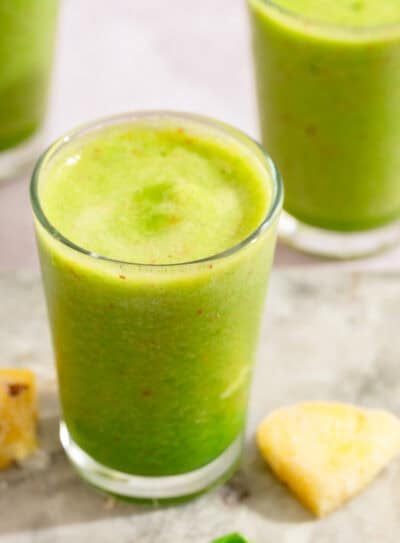
This tropical coconut water smoothie recipe is bright, sweet, and refreshing—like a beach vacation blended into a glass. It takes just 5 minutes to make and blends two cups of hydrating, naturally sweet goodness. And don’t worry… this isn’t one of those green smoothies that tastes like a grassy mistake. The pineapple, orange and coconut water completely smooth out the kale, giving you a light, vibrant flavor that goes down easy.
Need a little reset? Check out my favorite easy detox smoothies for more nourishing blends that actually taste good.

What's in this post
Why Use Coconut Water in Smoothies
I enjoyed the taste of coconut water, yet it took me some time. If you’re not a fan yet, try using half coconut water and half regular water—you’ll still get the benefits without the full flavor.
- Hydrating powerhouse: Natural, unsweetened coconut water helps replenish electrolytes—especially during long workouts or hot days. It’s lower in carbs and calories than most sports drinks, yet just as effective. (Check your label—some brands sneak in sugar or flavoring.)
- Potassium-packed: With around 405 mg of potassium per cup, coconut water brings natural electrolytes and a light, refreshing flavor. This smoothie alone packs nearly 1,400 mg of potassium—talk about muscle fuel!
- Hydrating: Coconut water is light, naturally sweet and so refreshing.
- Low in calories: Unlike even 100% fruit juice, coconut water averages only 40–60 calories per cup, keeping your smoothie light yet nourishing.
Best Coconut Water Brands
Choosing pure, unsweetened, unflavored coconut water ensures you get the cleanest taste, the best hydration benefits, and the most nutrient-rich base for any smoothie. These are my go-to brands:
Harmless Harvest uses organic sourcing and minimal processing—it’s the closest to drinking straight from a fresh Thai coconut.
ZICO is a clean, no-sugar-added option with naturally occurring electrolytes, making it a reliable everyday pick for hydration and smoothie blending.
Kirkland Signature offers an affordable organic coconut water that’s not from concentrate, giving you excellent quality in bulk.

Ingredients You’ll Need
This energizing blend has everything your body craves: leafy green vegetables, electrolyte-powered coconut water, tropical fruit, and protein-packed chia seeds. It’s light, refreshing, and gives me a clean burst of natural energy—perfect before a workout or an afternoon pick-me-up.
- Leafy greens: I like kale for a nutrient-packed base. If you’re new to kale, start small! Use half the amount, taste-test, and work your way up. You can prep extra and freeze kale for future use.
- Tropical fruit: Pineapple, banana, and orange make this smoothie bright, sweet, and refreshing. Here’s how to cut pineapple If using fresh.
- Banana: Add natural sweetness and a creamy texture. To lower sugar, swap ¼ avocado for the banana—you’ll still get a creamy texture with less sweetness. For the best results, freeze bananas to keep your smoothie chilled and extra creamy.
- Coconut water: The natural electrolyte base that gives this smoothie its hydrating edge.
- Chia seeds: Add healthy fats, fiber, and protein for staying power.
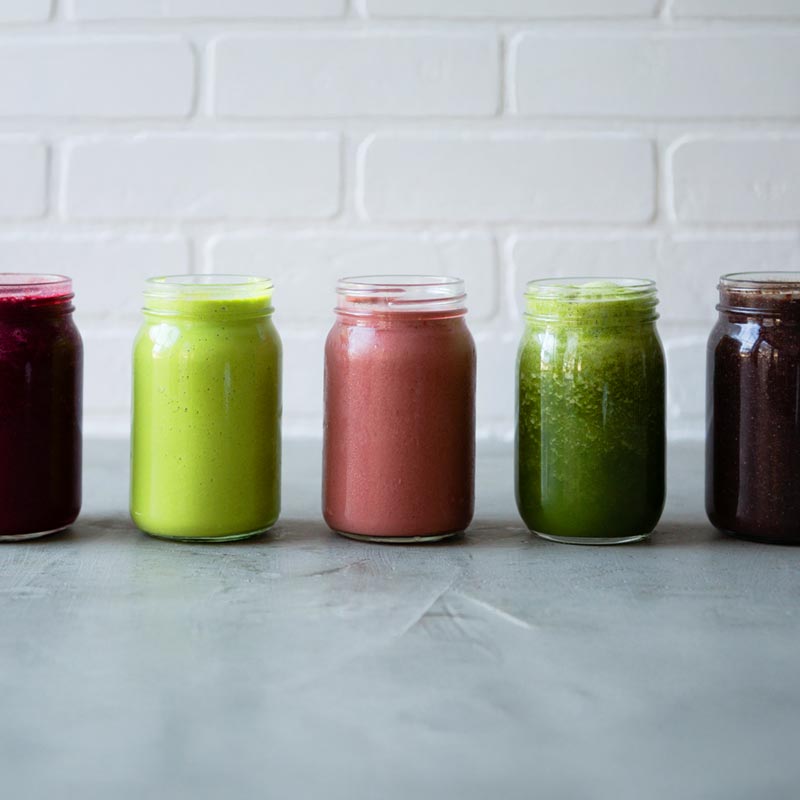
Blend the Rainbow
Smoothie Challenge
I’d love for you to blend it up with me! For 5 days, I’ll send you a daily smoothie recipe along with a shopping list so you’re ready before day one.
How to Make a Coconut Water Smoothie
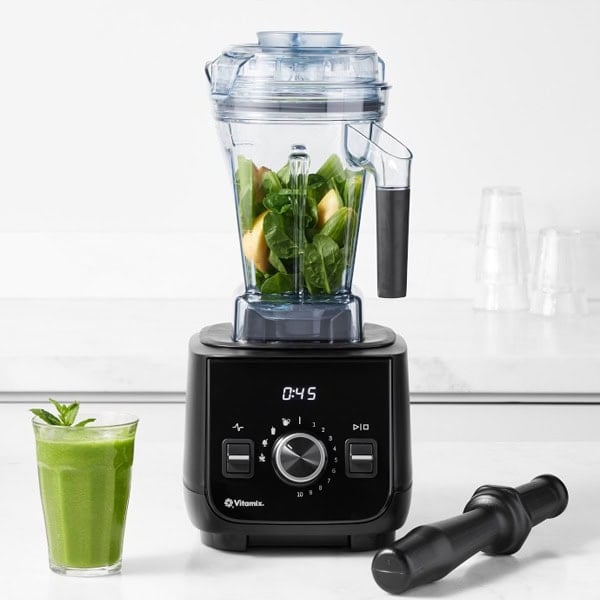
if using a high-speed blender, like a Vitamix, you can add all the ingredients at once and blend. If you’re not using any of my recommended high-powered smoothie blenders, I recommend using my 2-blend method for the creamiest results:
- First blend: Kale, peeled orange, and coconut water until smooth.
- Second blend: Add banana, pineapple, and chia seeds. Blend again until creamy and vibrant.
Wondering how to get the creamiest results? Check out my guide on how to make a smoothie for tips!
Coconut Water vs. Coconut Milk
Coconut milk and coconut water aren’t interchangeable. Coconut milk is rich and creamy, while coconut water is light and hydrating. If you want a dairy-free swap, see my top coconut milk brands for smoothies.

Popular Coconut Water Smoothie Combinations
You can’t go wrong using coconut water as your smoothie liquid. It gives my blends, especially tropical smoothies, a refreshing twist. Here are some of my favorite smoothie combinations:
| Recipe | Fruits & Greens | Best For |
|---|---|---|
| Pineapple Kale Smoothie | Pineapple, mango, kale | Morning energy boost |
| Pineapple Mint Smoothie | Pineapple, kale, mint, lime | Pre-workout hydration |
| Island Green Smoothie | Mango, orange, spinach | Vacation vibes in a cup |
| Post-Workout Smoothie | Kale, pineapple, blueberries | Post-workout recovery |
| Margarita Smoothie | Orange, spinach, mango, lime | 5 o’ clock somewhere |
| Clear Skin Smoothie | Pineapple, avocado, spinach | Skin health support |
Common Questions
Think tropical. Coconut water has a light, naturally sweet flavor that pairs beautifully with bright, juicy fruits like pineapple, orange, banana, mango, and other citrus. These fruits help balance the subtle coconut notes and create a refreshing, island-inspired blend. Berries, peaches, and kiwi also work well if you want a sweeter or more vibrant smoothie. Overall, any fruit that’s juicy, tangy, or tropical will shine when paired with coconut water.
Yes! Spinach is a great swap if you’re new to coconut water smoothies. It has a much milder flavor than kale and blends silky smooth, so your smoothie will still taste bright and tropical. You’ll keep all the nutrients without the stronger kale taste.
Definitely peel the orange before adding it to your coconut water smoothie. The peel is too bitter, but you can leave on some of the white pith—it’s full of fiber and blends well. The fresh orange adds natural sweetness and balances the coconut water perfectly.
Absolutely. Using frozen pineapple or banana makes your coconut water smoothie extra cold and creamy without needing ice. Frozen fruit also gives it that smoothie-shop texture and works perfectly in frozen meal prep smoothie packs for quick, ready-to-blend smoothies.
Yes! A scoop of protein powder recipe works beautifully in this coconut water smoothie. It blends smoothly and turns the recipe into a more filling breakfast or post-workout recovery drink.
Recipe Card
Coconut Water Smoothie

Ingredients
- 1 cup kale
- 1 cup coconut water unsweetened
- ½ orange
- ½ cup pineapple
- ½ banana
- 1 tablespoon chia seeds
Instructions
- Pour the coconut water into a blender. Add the kale and orange and blend until smooth.
- Add the pineapple, banana and chia seeds. Blend on high until smooth, 45 to 60 seconds, adding a splash more liquid if it’s too thick. Pour into a glass and serve immediately.
You’ll want it later
Save this recipe
Drop your email and I’ll send it to you.
Share with a friend

Recipe Notes
- Kale Tip: Remove the kale stems to cut the bitterness, or use baby kale. Any leafy green works in its place.
- Make It Colder: Use frozen pineapple or banana for a colder, thicker smoothie, or serve it over ice.
- Lower Sugar: For a less sweet smoothie, swap the banana for 1/4 avocado.
- Storing: Best fresh, since the chia seeds keep thickening as it sits. It keeps in a sealed jar in the fridge for up to 24 hours; shake and add a splash of water before drinking.
Nutrition
Saturated Fat: 1 g | Polyunsaturated Fat: 3 g | Monounsaturated Fat: 1 g | Trans Fat: 1 g | Sodium: 281 mg | Potassium: 1398 mg | Sugar: 28 g | Vitamin A: 6933 IU | Vitamin C: 166 mg | Calcium: 274 mg | Iron: 3 mg
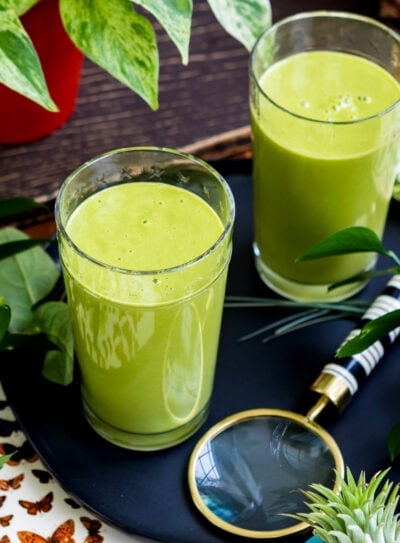










Nice flavor profile. I was able to taste each individual ingredient. Didn’t use the full amount of liquid so I could achieve the consistency I prefer. No other modifications.
Love that you’re making the smoothies “yours” and making them how you enjoy them, Carissa!
Yummy. The citrus compliments the kale very well. It was full of flavor too.
Hi Denise! You’re so right, the combo of kale and citrus is definitely a winner!