


This post may contain affiliate links.
Spinach is my favorite leafy green to blend into smoothies, yet it also goes bad quickly in the fridge. I’m going to show you how to freeze spinach (or any other leafy green) to save space, reduce waste and guarantee you always have spinach for a green smoothie.

Table of contents
Can You Freeze Spinach?
I know we’ve all been here: you buy a bag of fresh baby spinach, place it in your fridge crisper drawer and vow to use it for daily wraps and smoothies. Two weeks later, you’re digging through the fridge and find “that bag,” stinky, slimy mush that once resembled spinach.
We don’t have to go through that anymore. There is a better way to store spinach and other leafy greens. Freezing spinach, kale, chard, etc is a great way to extend the shelf life and reduce waste while preserving its nutrients.
Benefits of Freezing Spinach
- Prevents waste: Fresh spinach wilts quickly, but freezing lets you store it for months.
- Saves money: Buy spinach in bulk when it’s on sale and freeze it for later use.
- Convenience: Frozen spinach is prepped and ready to go for smoothies, soups, stews, and other dishes.
- Retains nutrients: Freezing preserves most of the vitamins and minerals found in fresh spinach.
- Versatility: You can use frozen spinach in a variety of cooked dishes (quiche, soups, smoothies) without worrying about it spoiling.
Bottom line: Freezing spinach locks in nutrients like iron, fiber, and vitamins A & C, ensuring you always have a healthy boost ready for smoothies, soups, or sautés. No more wasting wilted greens—just freeze and use as needed! Plus, it’s budget-friendly and saves you extra grocery trips.

How to Freeze Fresh Spinach
Freezing fresh spinach is a fantastic way to boost your smoothie with more vitamins and minerals. By freezing spinach, you ensure you always have a readily available source of leafy greens, eliminating the risk of it wilting and going to waste. Plus, freezing fresh spinach blends seamlessly into smoothies, adding a nutritional punch without altering the texture significantly.


- Wash the spinach: Rinse thoroughly under cold water, swishing the leaves to remove dirt and pesticides. Repeat if needed until the water runs clear.
- Dry completely: Use a salad spinner or pat dry with a clean towel to remove excess moisture. This helps prevent ice crystals from forming.


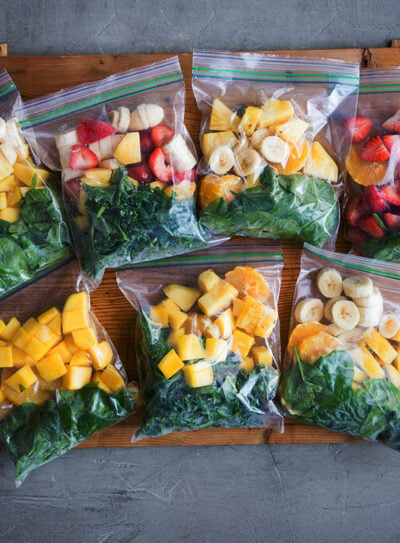
- Pack for freezing: Place the spinach in freezer-safe bags or containers, pressing out excess air to minimize freezer burn. Consider portioning for easier use later.
- Label and freeze: Write the date on the bag or container and lay flat in the freezer, ensuring good air circulation for even freezing. Once solid, you can stack them neatly.
How Long Can you Freeze Spinach?
If using spinach within a few months, a standard freezer is sufficient. For longer freezing duration, use a deep freezer since it will keep the frozen food at a lower temperature, prolonging its quality. Double bag the spinach in order to prevent freezer burn.

How to Freeze Raw Spinach Cubes
Freezing spinach into cubes is a convenient and efficient way to preserve this nutrient-rich leafy green for your next green smoothie. Plus, this method ensures your smoothie won’t have any leafy chunks (when you add a frozen spinach cube to your smoothie) and takes up the least amount of space in your freezer.
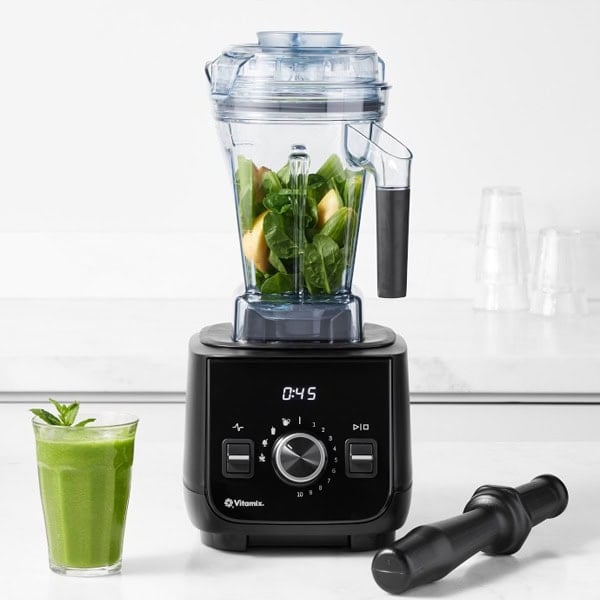
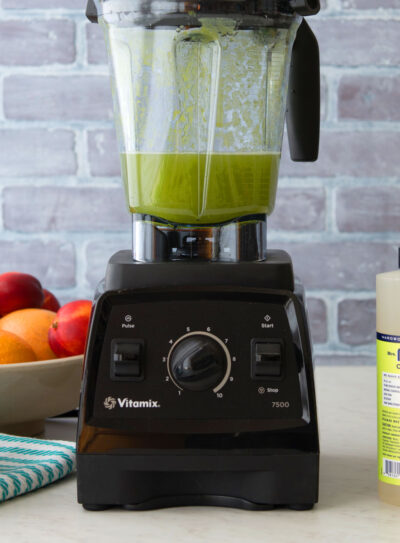
- Add 4 cups of spinach to your blender with 1 cup water. Blend until it reaches a juice-like consistency.
- Pour contents into ice cube trays and freeze for several hours or until completely frozen.
- Transfer the frozen spinach cubes to a freezer-safe bag or container. Label with the date for easy tracking.
You can follow the steps above and replace the spinach for kale, chard, romaine, cabbage, and even herbs.
NOVEMBER 9-13, 2026
Free 5-Day Soup Challenge
Celebrate this cozy season with us! For 5 days, we’re cooking up fall-inspired soup each day—packed with veggies, perfect for busy nights, and every bowl you make is a chance to win $750 in prizes!

How to Blanch Spinach for Freezing
Blanching can reduce the amount of soluble oxalates in spinach. This is helpful because oxalates can hinder the absorption of some minerals, and in high concentrations can contribute to kidney stones. The blanching process also deactivates enzymes, preserving the spinach’s color, flavor, and nutrients. Here’s a breakdown of how to do it:
- Prepare an ice bath and bring a large pot of water to a rolling boil.
- Blanch the spinach in small batches for 1-2 minutes, then immediately transfer it to the ice bath to halt the cooking process.
- Once cooled, drain and squeeze out excess water to prevent ice crystal formation.
- You can then chop the spinach if desired and portion it into ice cube trays or freezer bags, removing as much air as possible before sealing.
How to Use Frozen Spinach
Now that you’ve got a freezer full of frozen spinach, check out the smoothie recipes below that you can swap it in for fresh spinach:
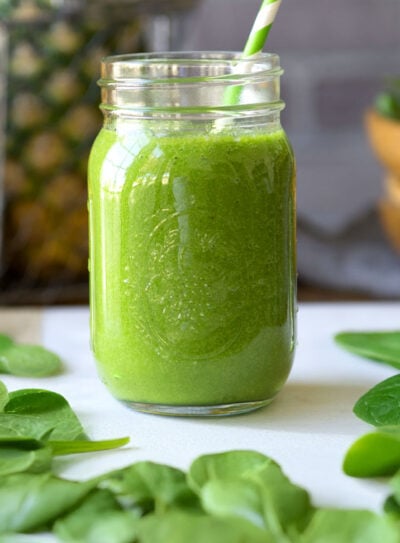



If you decide to freeze spinach into cubes, I’d love to hear how it turned out in the comment box below. Your feedback helps me and all the readers in this community. And if you’re interested in more plant-based recipes (and exclusive content), sign up for my weekly recipe newsletter.

How to Freeze Spinach Cubes
Jen HansardIngredients
- 4 cup spinach 10-oz bag
- 1 cup water
Instructions
- Place the spinach and water in a blender. Pulse a few times, then blend on high until smooth, adding a little more water if needed.
- Scrape down the sides of the blender. Add enough water to bring the puree to the 4-cup (32-ounce) line and blend again.
- Pour the puree into two standard 16-well ice cube trays. Tap the trays gently on the counter to release air bubbles.
- Freeze until solid, several hours or overnight.
- Pop the cubes out of the trays and store in a labeled, dated freezer-safe container. Use 6 cubes in place of 1 cup fresh spinach in any smoothie.
Recipe Notes
- Greens Swap: Kale, romaine, arugula, chard or other leafy greens work in place of the spinach, or mix them with it.
- Liquid Swaps: Coconut water can replace the water.
- Prep Tip: Silicone ice cube trays make the frozen cubes easier to pop out.
- Freezing: The cubes keep in the freezer for up to 3 months. Add them to the blender straight from frozen.
Nutrition
Common Questions
Yes, you can freeze spinach without cooking it, but there are some trade-offs to consider. Raw frozen spinach will have a softer, more wilted texture than fresh spinach when thawed. It’s generally best used in cooked dishes, smoothies, or recipes where texture isn’t paramount. Without blanching, enzymes in the spinach will continue to work, albeit slowly, even in the freezer. This can lead to gradual loss of color, flavor, and nutrients over time. Raw spinach contains a lot of moisture, which can form ice crystals during freezing. This can further affect the texture and lead to a watery product.
It’s not necessary to blanch spinach before freezing. Yet keep in mind blanching spinach offers multiple benefits beyond simple preservation. It notably reduces soluble oxalates, compounds that can interfere with mineral absorption and, in high concentrations, contribute to kidney stones. Simultaneously, this brief heat treatment deactivates enzymes responsible for degradation, effectively preserving the spinach’s vibrant color, fresh flavor, and essential nutrients.
Yes, you can freeze bagged spinach, although there are a few things to consider to maximize its quality. You’ll want to transfer the spinach to freezer-safe bag and remove as much air as possible to prevent freezer burn.
The best way to freeze fresh spinach is to wash it thoroughly, then either blanch for 30 seconds and transfer to an ice bath or freeze it raw for a quicker option. Pat dry, store in airtight freezer bags, and remove excess air to prevent freezer burn. For smoothies, blend with water and freeze in ice cube trays. Frozen spinach lasts for months and works well in soups, stews, and cooked dishes.
Spinach should always be washed before freezing to remove dirt, pesticides, and bacteria. Rinse it thoroughly under cold water, then pat dry with a clean towel or use a salad spinner to remove excess moisture. If blanching before freezing, washing is an essential first step to preserve freshness and quality for long-term storage.
Love my recipes?
Let me plan your week!
Dinner decided, grocery list done. 750+ ad-free recipe library and live coaching calls included.
7 days free. Cancel anytime.














Clear and useful info. Some seems obvious, but adding how many spinach cubes to equal 1cup was worth the read.
So glad that was helpful!
Hello!! What coconut water do you use? And do you soak your almonds before making almond butter and or milk? Thank you for everything you do!! I hope I feel as amazing as your testimonies! So excited!! Thank you Jen
I like Zico or Kirkland— just make sure it’s unsweetened. With almond butter, I don’t soak the nuts (but I have roasted them first). With almond milk— def soak overnight. It makes it so much creamier!