

This post contains affiliate links.
“Why would I ever want to add fat to a recipe—let alone a smoothie?” I hear this question all the time, and honestly, it makes total sense. For years, fat was labeled the enemy, especially if you were watching calories or trying to lose weight. But the truth is, your body needs fat to function—and the type of fat you choose makes all the difference.
Healthy fats help support heart health, manage cholesterol, and turn smoothies from a quick drink into a satisfying, balanced meal. When used intentionally, they’re a key part of a healthy diet for vegetarians and anyone aiming for a more balanced diet.
Table of Contents
What Are Healthy Fats?
There are three main types of fats: unsaturated fats, saturated fats, and trans fats. The healthiest options are unsaturated fats, which include monounsaturated fats and polyunsaturated fats. According to the American Heart Association, these fats are linked to lowering LDL (low-density lipoprotein) and risk of heart disease and stroke.
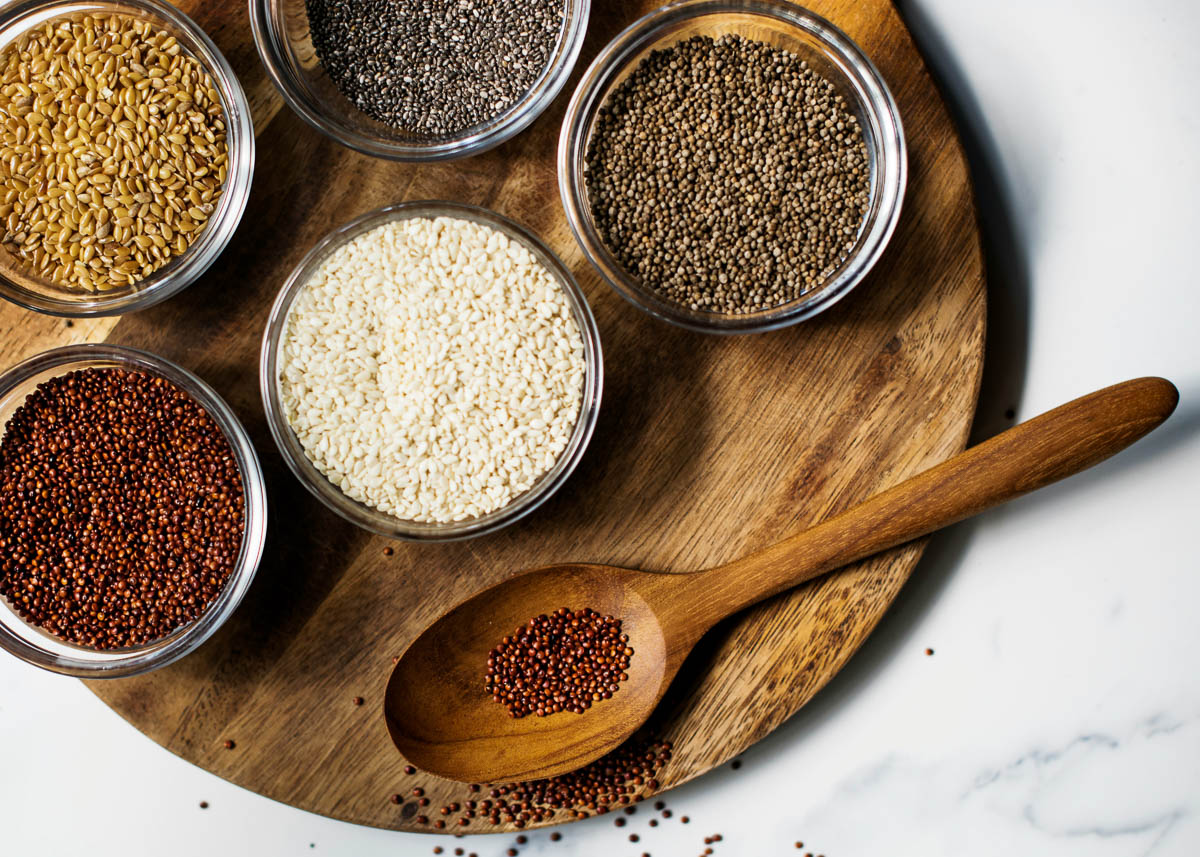
Healthy fats come from whole foods like avocados, olives, nuts, seeds, tofu, and edamame. Many seeds and nuts are also a good source of omega-3s and omega-6 fatty acids, which support brain function and overall health. While omega-3s are often associated with oily fish like salmon or mackerel, plant-based sources like chia seeds and flaxseeds are excellent options.
Fats to Avoid
Highly processed fats—especially hydrogenated oils found in some packaged foods—are best avoided. Reading ingredient labels helps you spot these less supportive fats quickly.
Health Benefits of Healthy Fats
Healthy fats play a major role in how your body looks, feels, and functions. I love adding them to green smoothies and pairing with plant-based protein because they make meals more satisfying and nourishing without relying on dairy or refined ingredients. Here’s a few health benefits from Cleveland Clinic:
- Support heart and brain health and help manage cholesterol
- Improve absorption of fat-soluble vitamins (A, D, E, and K)
- Provide steady energy and help balance blood sugar
- Increase fullness, making it easier to eat fewer calories overall
Top 7 Healthy Fats and Heart-Healthy Recipes
Avocado
3g fat (1 tablespoon)
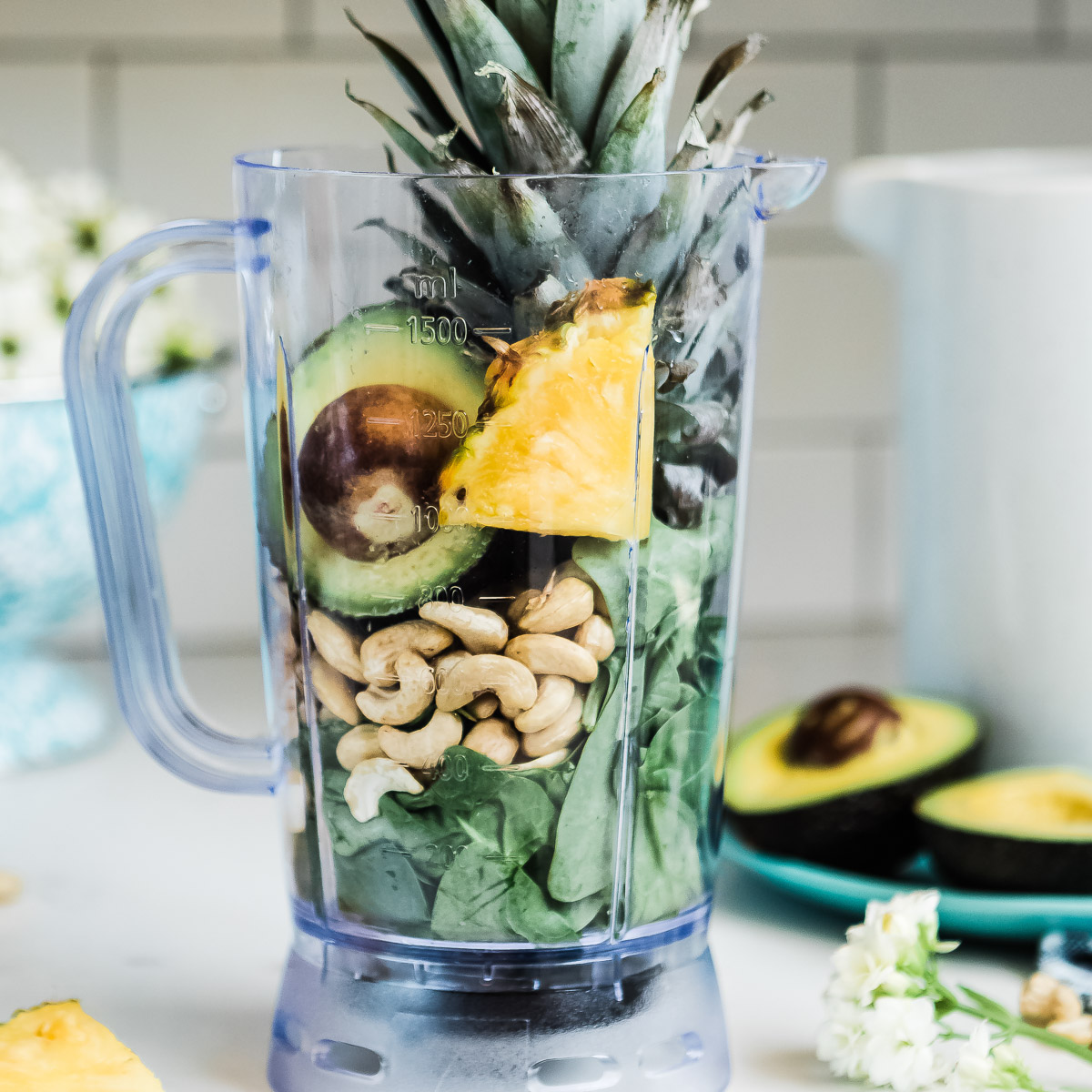
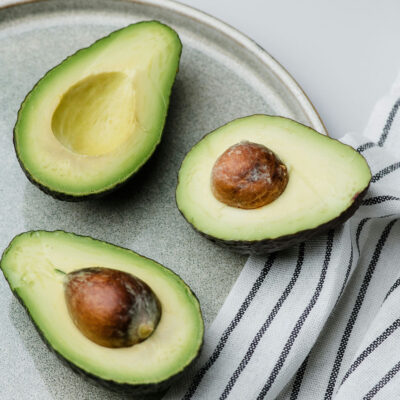
Mild and buttery, avocado makes smoothies ultra-creamy without tasting “green.” I use it when I want healthy fats plus a thicker, milkshake-like texture.
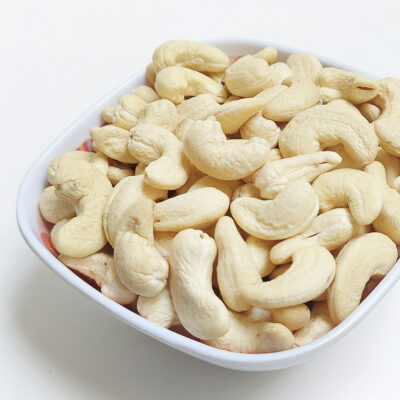
Cashews
5g fat (1 tablespoon)
Soft, slightly sweet, and naturally creamy, cashews blend smoothly into both smoothies and sauces. I love them for adding richness without strong nutty flavor.
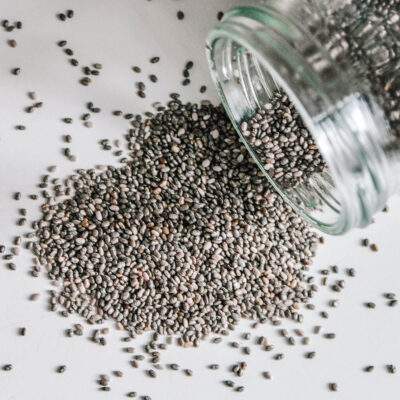
Chia seeds
4g fat (1 tablespoon)
Neutral in flavor but big on fiber, chia seeds thicken smoothies and make them more filling. I use them when I want extra fiber, protein, and lasting energy.
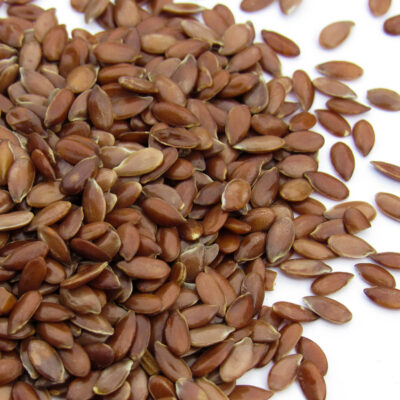
Flaxseeds
4g fat (1 tablespoon)
Mild and slightly nutty, flaxseeds disappear easily into smoothies. I add them for omega-3s and fiber without changing the taste.
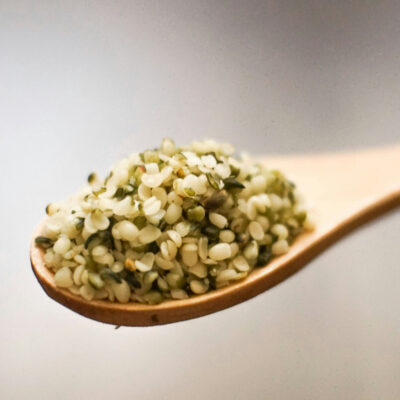
Hemp Seeds
5g fat (1 tablespoon)
Hemp seeds have a mild, nutty flavor with a soft, buttery texture that blends easily into both sweet and savory recipes. I like adding them to smoothies, oatmeal, salads, and grain bowls, or sprinkling them over yogurt and roasted veggies for an easy boost of healthy fats and protein.
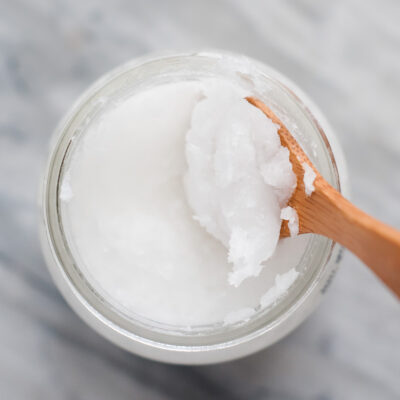
Coconut oil
14g fat (1 tablespoon)
Adds a subtle tropical note and quick, clean energy to smoothies. I use a small amount when I want extra richness and staying power without overpowering the flavor. I also bake with it.

Olive oil
14g fat (1 tablespoon)
Subtle and smooth, extra-virgin olive oil shines in dressings and roasted veggies. I use it in meals rather than smoothies for heart-healthy fats and depth of flavor.
Other Healthy Fat Sources to Explore
- Almonds and almond butter for smoothies and snacks
- Nut butter made from peanuts, walnuts or sunflower seeds
- Olives in bowls, tapenades and salads
- Eggs, tuna and yogurt for those who include them outside a fully plant-based approach
Ways to Incorporate More Healthy Fats in your Diet
Swapping bad fats for good fats doesn’t mean giving up flavor. It’s about choosing better sources that support heart health, energy, and long-term wellness. Here are easy, real-life ways to make the switch.
- Read ingredient labels first: If you see hydrogenated or partially hydrogenated oils, that’s a sign to skip it. These trans fats increase the risk of heart disease and don’t support a healthy diet.
- Cook with better oils: Swap butter or shortening for extra-virgin olive oil when sautéing veggies or roasting. Use avocado oil for higher-heat cooking and save coconut oil for occasional flavor.
- Upgrade your spreads: Replace butter or cream cheese with avocado, hummus, or nut butter like almond or peanut butter. You’ll get more unsaturated fat and fewer empty calories.
- Rethink snacks: Trade chips and pastries for nuts, seeds, or olives. A small handful of almonds or sunflower seeds delivers healthy fats plus fiber and minerals.
- Balance smoothies: Instead of relying on fruit alone, add chia seeds, flaxseeds, avocado, or almond butter. These fats slow sugar absorption and help keep energy steady.
- Choose whole foods over processed: Whole foods naturally contain healthier fats. Processed foods often hide low-quality oils, even in “healthy-sounding” products.
- Keep it simple: You don’t need perfection. Swapping just one fat at a time—like changing cooking oil or adding seeds to a smoothie—adds up fast and supports a more balanced, heart-healthy way of eating.

Daily Healthy Fat Guidelines
Most nutrition experts recommend about 25–35% of your daily calories come from fat, focusing on unsaturated fats like mono-unsaturated and poly-unsaturated fats. Here’s what that looks like in real life:
- 1,800 calories/day: about 50–70 grams of fat
- 1–2 servings of healthy fats per meal
- Choose whole-food sources like avocado, olive oil, nuts, seeds, and nut butter
- Include omega-3 sources (chia, flax, walnuts) most days
Healthy fats support hormone balance, heart health, and brain function, help manage cholesterol, and keep blood sugar steady. They also increase fullness, which can make maintaining energy and weight easier during perimenopause years.









Does the coconut oil need to be extra virgin?
Hi Katrina,
Great question! Organic, virgin or extra-virgin, cold-pressed coconut oil is our top choice because it retains all of the vital nutrients.
Hope this helps! 🙂
Hi!
Would help protein powder provide enough fats or do I still have to add a fat source? Thanks!
hemp, not help! 🙂
Hi Duy,
Great question. We love adding hemp protein to our green smoothies! If you’re using your green smoothie as a meal replacement we suggest adding an additional source of healthy fats to ensure you’re fueling your body with a complete meal.
Check out our favorite healthy fat sources + meal replacement combos below…
https://simplegreensmoothies.com/healthy-fats
https://simplegreensmoothies.com/meal-replacement-smoothie
I’ve just started this smoothie journey! This morning for breakfast I made spinach, coconut water, mango and grape smoothie. How much cashew butter should I add to this? I need to add some protein as its not satisfying me
Hi Natalie!
Thanks for joining us! We’re so happy to have you as part of our community :). Your smoothie sounds delicious! When using your green smoothie smoothie as a meal replacement we always recommend that you add some healthy fat + protein to keep you fuller longer and to help your body thrive. Cashew butter is a great option! Everybody’s protein requirements are different, but a typical “serving” for most nut butters is two tablespoons. Feel free to add more or less–it’s all about what works best for you!
Here are some other great healthy fat + protein options:
https://simplegreensmoothies.com/meal-replacement-smoothie
Cheers 🙂
Hi! I am allergic to almonds, so would I be able to substitute almond butter for sunflower butter?
Hi Kristen,
Sunflower seed butter is a great option if you’re allergic to almonds!
It’s especially a great source for magnesium, zinc, iron + vitamin E!
Can you use almonds instead of almond butter?
Hi Shirley,
Of course! Just as a tip, soaking most nuts in water can help some people who have a hard time digesting nuts by making them gentler on your tummy. It reduces the naturally occurring phytic acid and helps your body break it down properly.
hi ladies! just i have never used the chia seeds before,do i have to do anything special with them before adding them to the smoothies,like soak them or anything,or can i just throw them in?
Hi Amanda,
It’s up to you! Go ahead and sprinkle chia seeds on top of your smoothie, blend them up, or soak with water or coconut water prior to blendin’. Whatever works best for you! 🙂
Hello! I’ve tried you guys smoothies recipes and I love them but they are certain recipes I can’t use due the coconut and me being allergic but I want to try them. For instance one recipe I don’t know which one but want to try it calls for coconut water how can I substitute coconut water for something else without altering the whole recipe?
Kia, can you try cashew or almond milk in place of the coconut water? Not sure if you’re allergic to nuts as well.
Thanks for the great tip Jacquie! 🙂
Hi Kia,
Our recipes are here to inspire you — you don’t have to follow them to a T. Here our some of our favorite liquid bases you can use in place of coconut water…
https://simplegreensmoothies.com/dairy-free-smoothies
Is there a specific coconut oil to use? Refined. …. pressed…..virgin?
Hey Elisa,
Thanks for the question. I prefer unrefined organic coconut oil.
Hi! What about using shredded coconut instead of coconut oil? Or flax seeds instead of the flax oil? My understanding is that all the fiber is stripped out of the oil, so you get more calories, but very little nutrients in oil versus the whole food source. Have you tried using coconut shreds?
Hey Becky,
Thanks for reaching out. Feel free to use any form that you like best. 🙂 We love coconut shreds + flax seeds. 🙂
I’m newbie to juicing. This is my second week. I read a lot about super food. What are super foods?
Hey Zoey.
Great question. Here is a link to our favorite superfoods. https://simplegreensmoothies.com/superfoods-list
So right now I add 1/2 an avocado in my smoothie everyday. I am guess that maybe that is not a great idea and that I need to mix it up … I am not a big banana fan … so I am thinking maybe to alternate each week between avocado and coconut oil … make sense?
Hi, the quantities of the healthy fats you list above, are they per serving (16oz)? If I’m making one of the 32oz 30 Day challenge recipes, would I double the quantities of healthy fats you show above (i.e. a whole avocado, 1/2 cup cashews etc).? Thanks!
Hey Paula.
Great question. Our smoothie recipes make about 4-5 cups (32oz – 40oz). Jadah drinks at least 2 cups (16 oz) everyday in the morning as a breakfast meal replacement. Jen drinks hers for lunch or sometimes as a mid morning snack. Since there is 2 serving in each recipe, we would suggest placing two serving of healthy fat for each recipe. 🙂 Cheers!
Hi! Would you put BOTH flax seeds and flax oil in your smoothie, or just choose one or the other? Thanks for your help. 🙂
Hey Katherine.
We usually add 1 healthy fat per smoothie. 🙂
I love peas! Can you recommend a recipe using frozen peas?
At this time we do not have a recipe with frozen peas. Let us know if you find on that works. 🙂
How about adding protein powder to the smoothies?
Hi Ednell,
You can totally add protein powders to your green smoothies. We would recommend pea protein or hemp but use what you have/like. 🙂
Can i add a good fat to all my smoothies combined with superfoods?
Hi Gisselle!
That’s up to you 🙂 We believe in having a variety of ingredients, so we definitely wouldn’t add the same “healthy fat” to a green smoothie each and every day. We personally don’t always incorporate one of these items, but it’s good to do it regularly!
Hi,
I read that some people add coconut oil every morning to their smoothies, and in your website you say it makes you loose wait. So if i do it with coconut oil, is it ok?
Hi Gisselle,
Again, it is definitely great to do regularly, but we personally prefer to change up ingredients from time to time instead of having the same thing every day. This helps to give your body the variety of nutrients it needs.
Would you recommend adding more than one fat at a time?
We primarily try to stick to one when we are adding them in, Stephanie 🙂
I got the Nutiva coconut oil. What’s the best method for adding it to the blender/mix? I blended my greens and liquid base first, then tossed in the fruit, some superfood ingredients, and the coconut oil, and blended it again. When I went to drink the smoothie, there were tons of tiny coconut oil shards all throughout which made for a yucky drinking experience. The oil hardened due to the cold temps.
Hi Nick! Try adding it with leafy greens and liquid first. It is a bit hard to make it blend perfectly 🙂
It blends much better if you blend it in BEFORE you put the cold fruit…coconut oil is naturally a solid at room temperature. You can even heat it up a little bit before putting it in if you’d like but I found it just helps to blend before doing the cold fruit.
Can you just blend flax seeds into the smoothie for the same effect? Also what is the appropriate serving size to get the benefits of flax seeds?
The best option is to freshly ground your flaxseeds to absorb the most nutrients. If you have a high-speed blender, blending them is okay too. 1-2 tablespoons per serving. 🙂
Do you peel the avocado?
Yes, peeled avocados!! 🙂