

This post may contain affiliate links.
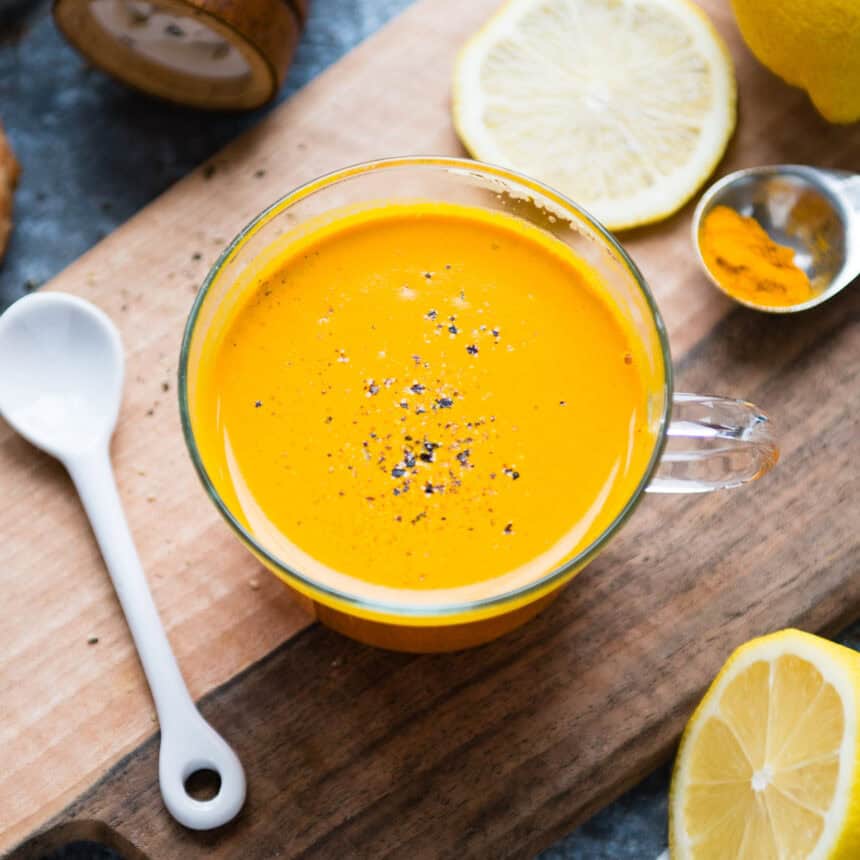
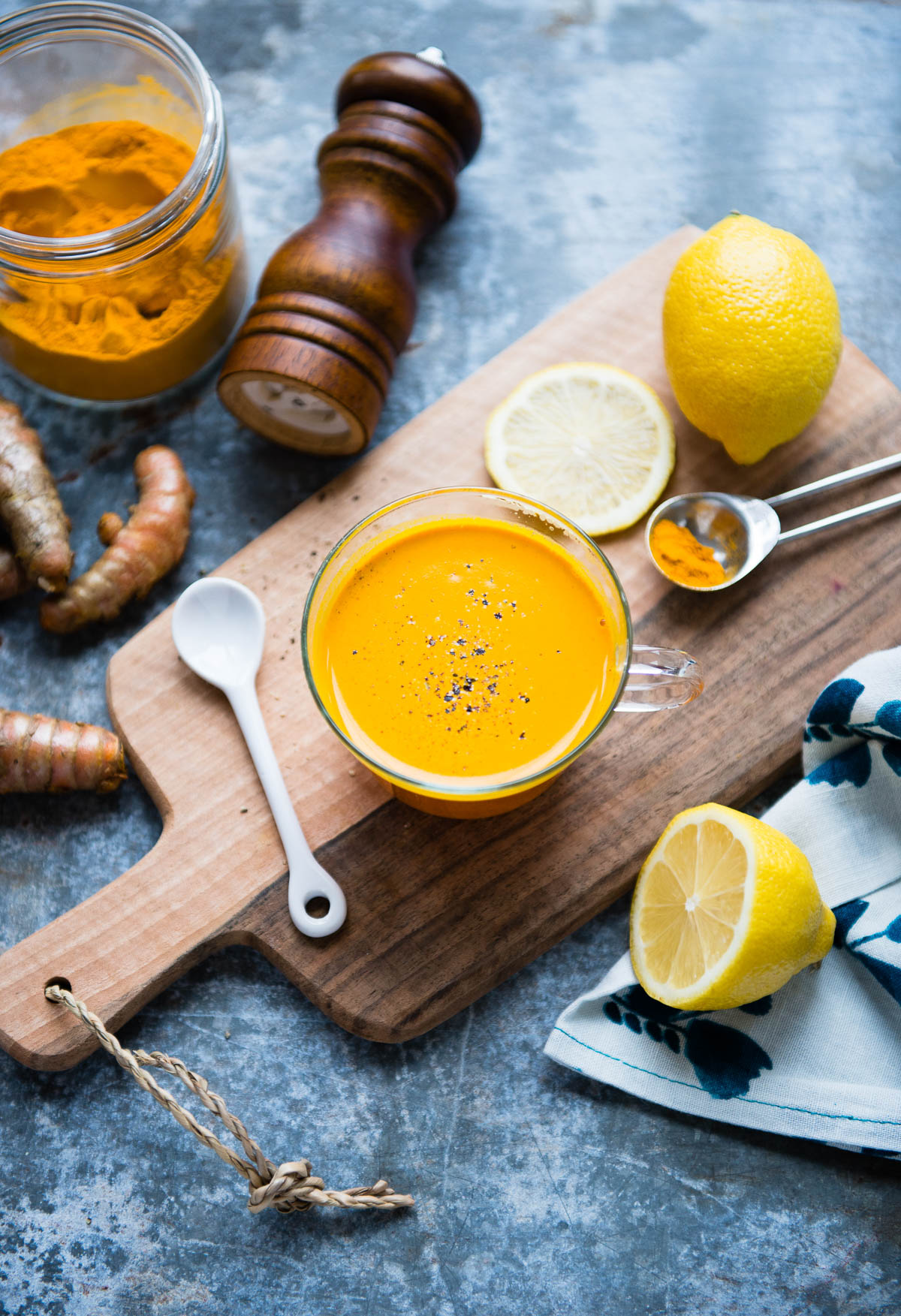
Turmeric tea is one of those simple, comforting recipes that feels both nourishing and grounding. With warm spices, a golden hue, and a gently earthy flavor, it’s easy to see why turmeric tea has become a staple in so many kitchens. Whether you’re sipping it first thing in the morning or winding down in the evening, this guide walks you through exactly how to make turmeric tea at home—plus how to customize it to fit your taste and lifestyle. It’s also one of my best weight loss drinks.
Table of Contents
Benefits of Turmeric Tea
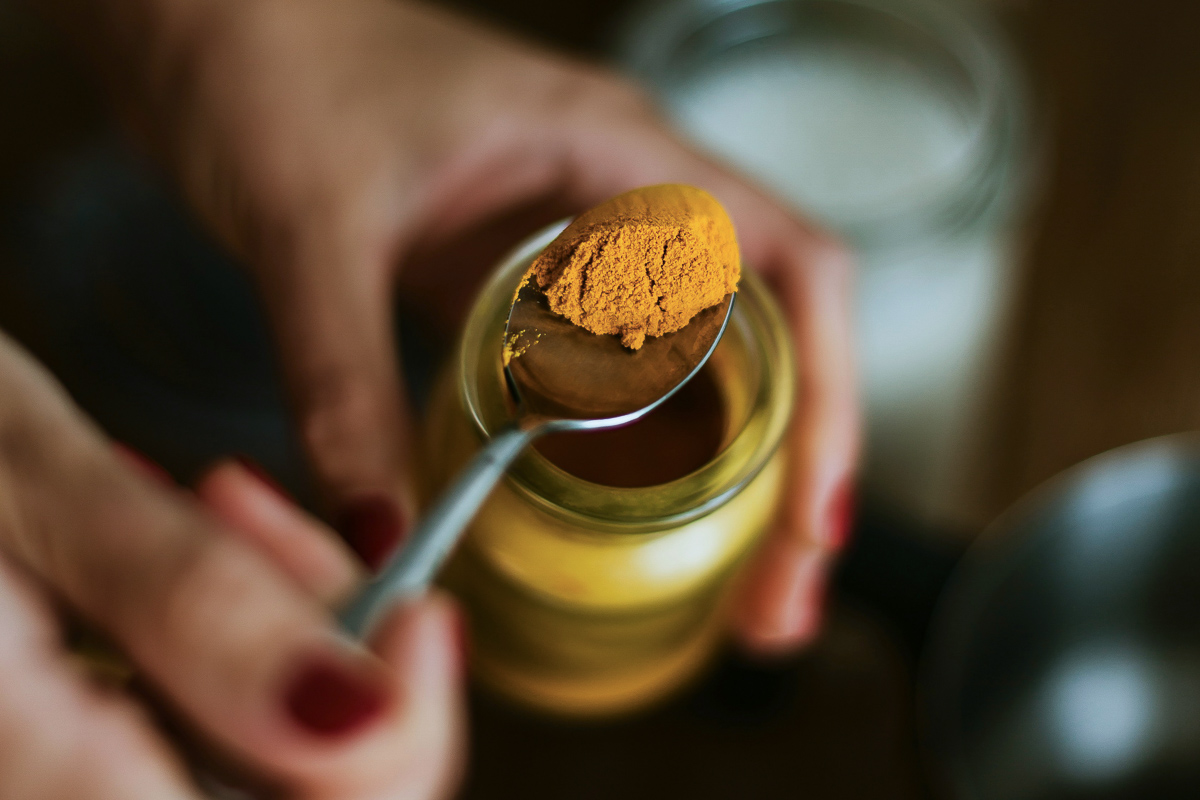
- Rich in antioxidants: Turmeric contains curcumin, a powerful plant compound that helps neutralize free radicals and supports overall health as part of a nutrient-rich diet.
- Naturally caffeine-free: Turmeric tea is a soothing alternative to green tea, making it easy to enjoy any time of day without added caffeine.
- Better absorption with black pepper: Adding black pepper provides piperine, which helps your body absorb curcumin more effectively and boosts turmeric’s benefits.
Save this Recipe
Enter your email & I’ll send it to you!
Turmeric Tea Ingredients
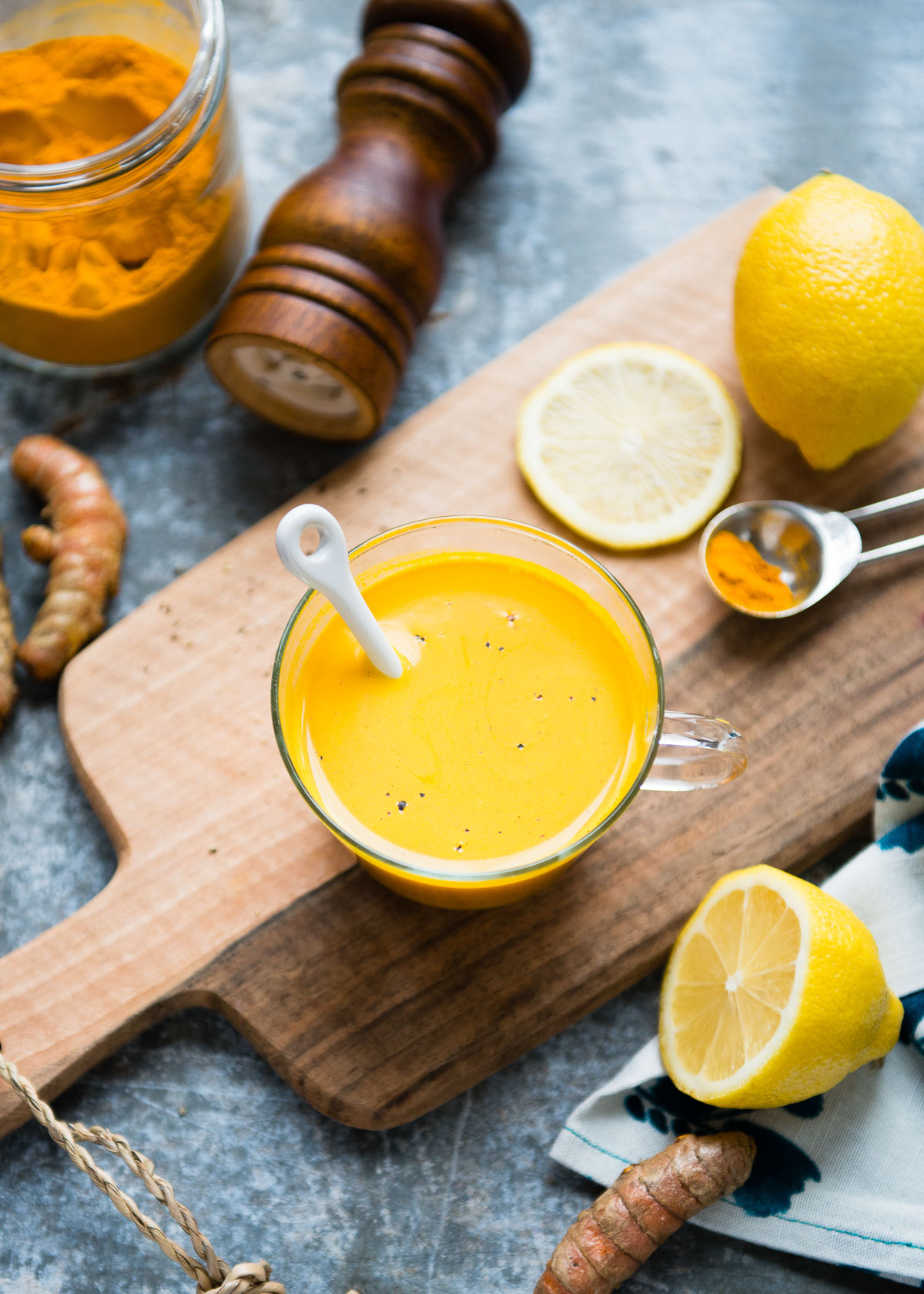
You only need a handful of simple ingredients to make turmeric tea at home. You can keep it basic or dress it up with creamy or sweet additions. These ingredients work together to create a warming drink with a slightly earthy taste, gentle spice, and smooth finish. If you’ve ever wondered about golden milk vs turmeric tea, turmeric tea is lighter and water-based, while golden milk includes milk and warming spices for a richer texture.
Base ingredients
- Water
- Turmeric (ground or fresh)
- Black pepper
- Lemon juice
Optional add-ins
- Honey or maple syrup
- Fresh ginger or ground ginger
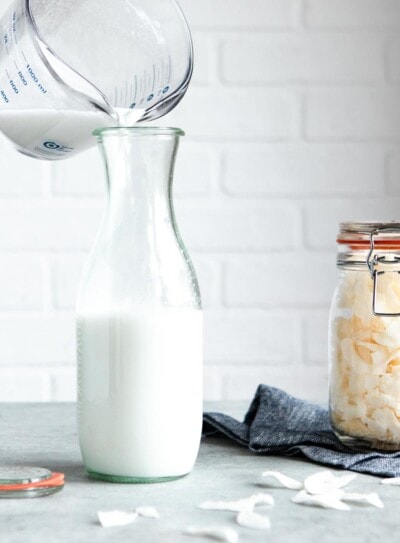
- Coconut milk or oat milk
- Whole spices like cloves or cinnamon sticks
Ground Turmeric vs Fresh Turmeric?
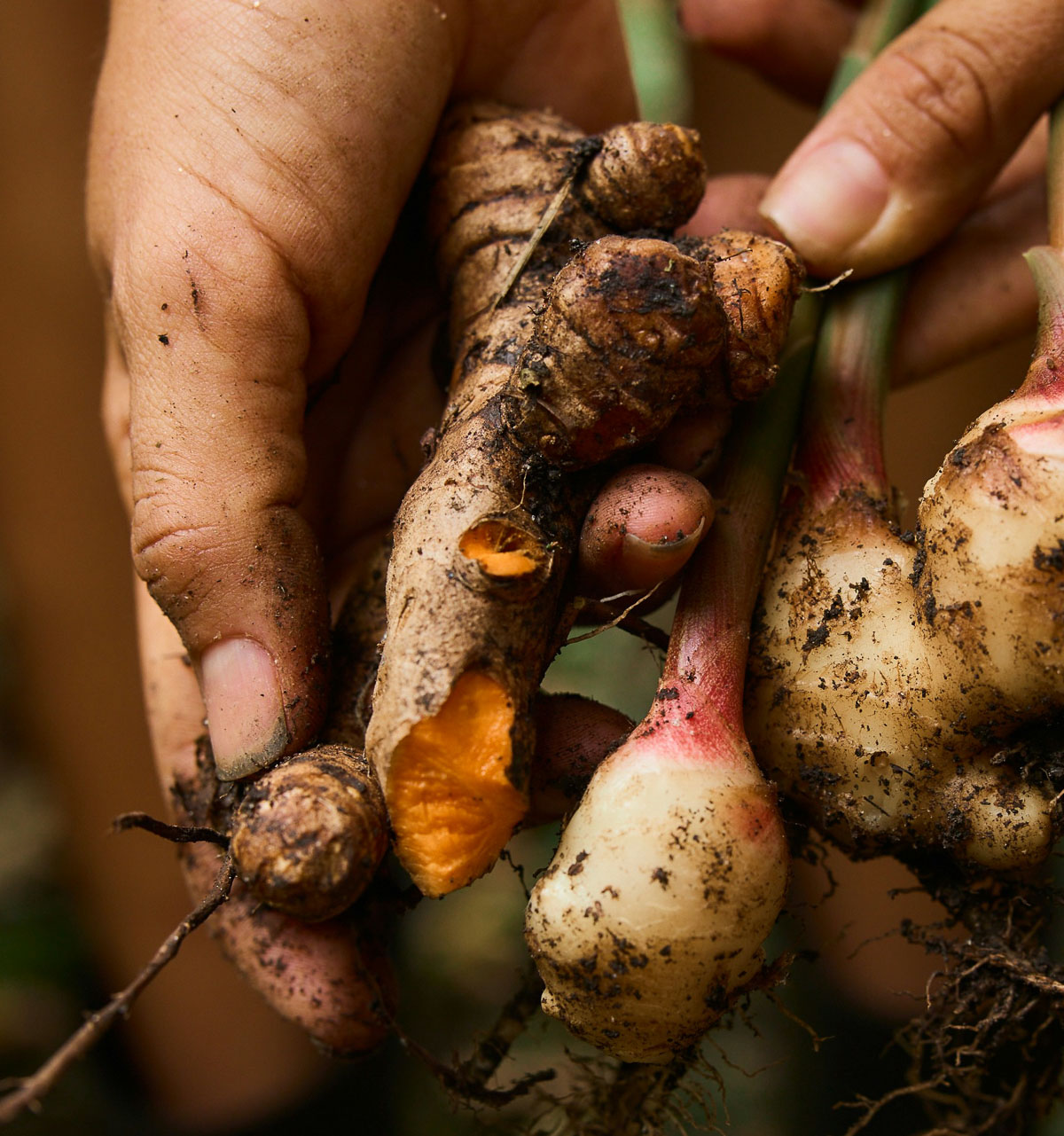
Both ground turmeric and fresh turmeric root work well for turmeric tea, and each has its perks.
Ground turmeric is convenient and easy to measure with tablespoons. It has a strong color and blends quickly into hot water. If you’re short on time, ground turmeric is perfect.
Fresh turmeric root has a brighter, slightly peppery flavor that’s similar to fresh ginger. It does require peeling and slicing (or juicing), but many people love its fresher taste. If you enjoy hands-on prep and bold flavor, fresh turmeric is worth trying.
Bottomline: Either option delivers curcumin, the active compound people seek when making turmeric tea.
Recipe Substitutions
Turmeric tea is easy to adapt based on what you have on hand or your dietary needs.
- Add ginger: This adds additional flavors or use a pinch of cinnamon instead.
- Creamier texture: Add coconut milk or oat milk for a golden milk-inspired version.
- Sweeter flavor: Use honey, maple syrup, or dates.
- Green tea boost: Steep green tea separately, then add turmeric tea for a hybrid drink.
You can also adjust spices to suit your taste preferences, making it milder or more bold.
How to Make Turmeric Tea
This simple turmeric tea recipe comes together in just a few minutes and uses everyday ingredients you may already have on hand.
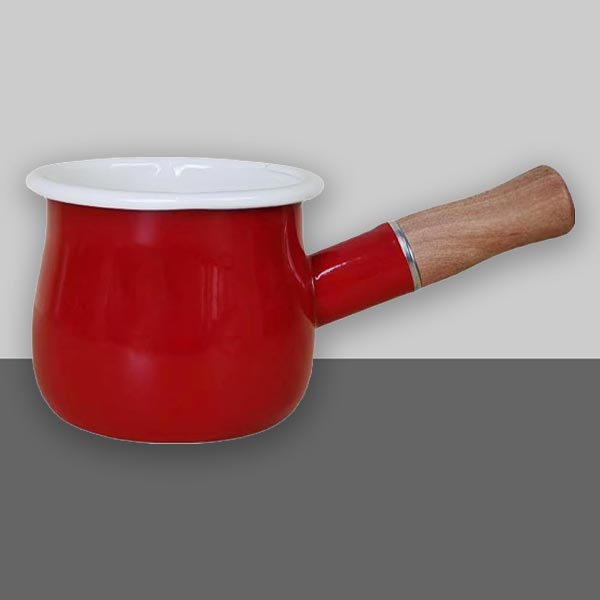
- Bring the water to a boil. Pour 1 cup of water into a small saucepan and bring it to a gentle boil over medium-high heat.
- Add the spices. Stir in the ground turmeric, lemon juice, and black pepper. If you’re using any extra spices, add them now.
- Simmer to infuse. Reduce the heat to low and let the mixture simmer for about 10 minutes. This allows the spices to fully infuse the water and develop flavor.
- Sweeten, if desired. Remove from heat and stir in raw honey to taste. You can also add a splash of milk if you prefer a creamier tea.
- Serve and enjoy. Pour into a mug, sip warm, and enjoy this soothing turmeric tea as part of a calming daily ritual.
Recipe Tips
- Turmeric tea has an earthy, slightly bitter flavor balanced by ginger’s warmth and honey’s sweetness. Black pepper adds subtle heat without overpowering the drink.
- Because turmeric can interact with certain medications, including blood thinners, it’s best to enjoy turmeric tea in moderation and talk with a healthcare provider if you regularly use turmeric supplements or curcumin supplements. This is especially important if you have concerns about drug interactions or side effects.
- Turmeric tea is meant to be supportive, not a cure-all. Think of it as one nourishing ritual within a healthy lifestyle built on whole foods, plants, and balance.
More Recipes That Use Turmeric
Turmeric tea is simple, customizable, and rooted in centuries of culinary tradition. Whether you enjoy it plain or dressed up like golden milk, this cozy recipe is an easy way to add warming spices and mindful moments to your day. If you’re looking for easy and delicious ways to enjoy turmeric, these recipes make it simple to work this vibrant spice into your routine.
- The Honey Turmeric Smoothie blends bright fruit with warming turmeric for a refreshing, feel-good drink that’s perfect for busy mornings.
- Turmeric Smoothie Cubes are a prep-ahead favorite, letting you freeze turmeric with complementary ingredients so you can blend a nourishing smoothie in minutes. For something cozy and comforting, the
- Spiced Golden Milk offers creamy warmth with soothing spices, making it an ideal choice for slowing down and sipping with intention.

How to Make Turmeric Tea
Jen HansardIngredients
- 1 cup water
- ½ teaspoon turmeric, ground
- 1 tablespoon lemon juice
- ¼ teaspoon black pepper, ground
- 1 teaspoon raw honey optional
Instructions
- Bring the water to a boil in a small saucepan.
- Add turmeric, lemon juice, black pepper, and any additional spices.
- Reduce heat and simmer for 10 minutes to allow the spices to infuse.
- Stir in honey and milk, if using.
- Sip warm and enjoy.
Recipe Notes
- Hot lemon water can be sensitive on your teeth. I suggest using a stainless steel straw as your stir stick and then gently sipping it when it’s the perfect temperature.
- Swap honey with maple syrup to make this recipe vegan.
- Swap 1 teaspoon ground turmeric for 1 tablespoon fresh turmeric, sliced.
Nutrition
Equipment
Common Questions
Yes. Ground turmeric works well and is the most convenient option. Use about 1 teaspoon of ground turmeric for every 2 cups of water.
It’s recommended. Black pepper contains piperine, which helps your body better absorb curcumin, the active compound in turmeric.
Turmeric tea has a warm, earthy flavor with a slightly bitter edge. Adding ginger, honey, or coconut milk helps balance the taste.
Yes. Adding coconut milk or oat milk creates a creamier drink similar to golden milk, while traditional turmeric tea is water-based.
For most people, yes—when enjoyed in moderation. If you take medications or turmeric supplements, check with a healthcare provider to avoid potential drug interactions.














I’m also wondering about the coconut oil?
So sorry, Amy! Our mistake. The ingredients list has been updated. Use 1 Tbsp. coconut oil per serving.
Hi, I don’t see the coconut oil listed in the recipe, but you mentioned it in this morning’s email. How much should I use?
I’m also curious about that!
I personally used 1 tsp and blended everything together and that was pretty good. The consistency was a little frothy after blending it, which I like.
I think the coconut oil is in the Turmeric Tea Latte.
Hey everyone! Whoops, we left out the coconut oil from the ingredients list. Sorry about that! It’s been updated.
You’ll want to add 1 Tbsp. of coconut oil or, if you have it, 1 tsp. of MCT oil instead.
Coconut oil is in this recipe and it’s also in the Turmeric Tea Latte (a.k.a. Golden Milk) recipe.
You need to upgrade the calories too. Coconut oil, 1 tbsp, is 120 cals.
Great post, thank you, Jen!
I’ll definitely try that.
Honey loses its benefits once it’s heated above like body temperature, so maybe just use maple or agave syrup.
All the best, Tina
That’s true about the honey, Tina. Excessive heat can have detrimental effects on the nutritional value of honey. Heating up to 98.6ºF (37ºC) causes loss of nearly 200 components, part of which are antibacterial. Thanks for pointing it out.
We recommend using pure maple syrup as a substitute (that would also make this drink vegan, for those interested). You could also wait until your tea has cooled sufficiently or use warm water instead of hot water. We prefer not to use agave because it’s highly refined and has a high fructose content, which causes blood sugar levels to spike.
I’m allergic to nuts. What can I use in place of coconut oil?
if I’m not mistaken, there are no nuts in coconuts, it is a fruit
My friend is allergic to tree nuts and coconut is among the nuts she cannot eat. If you’re allergic to peanuts but not tree nuts you should be fine. But if you’re not sure I would avoid it (or ask your doctor).
Gabrielle, coconut is not a botanical nut; it is classified as a fruit, even though the Food and Drug Administration recognizes coconut as a tree nut. While allergic reactions to coconut have been documented, most people who are allergic to tree nuts can safely eat coconut. If you are definitely allergic to coconut, you could look into MCT oil. Even though it comes from coconut oil, it is pure and free of any other nutrients other than fats so you may not have an allergic reaction to it. Either way, I’d recommend speaking with your healthcare provider if you have any other questions. 🙂
That looks great, but where is the coconut oil you mentioned in your email linking to this blog post?
So sorry, Amy! Our mistake. The ingredients list has been fixed.
Need to change the calories too.
1 tbsp oil = 120 cals
If you’re going to post nutrition info it needs to be correct. Coconut oil has 120 calories and 14 grams of fat in one tablespoon. Your info makes the turmeric tea seem like a great healthy option but it truly isn’t if you are on a low fat diet.
I had a Beginners Luck smoothie today and loved it so I am now looking at other things beyond the smoothies. I can’t believe any of your nutritional info now.