
This post may contain affiliate links.
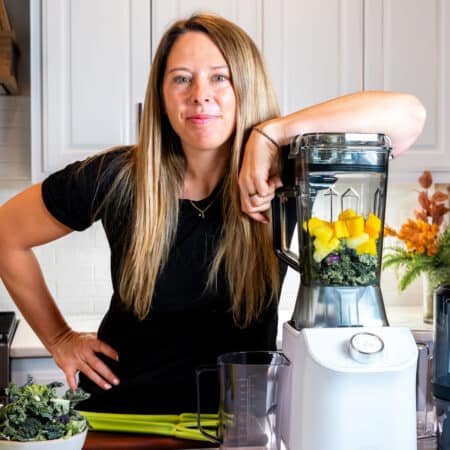
I’m 43, raising two teenagers, and still trying to keep up with a body that wants to do cartwheels well into my 100s. That means eating something at 6:45am that’s fast enough to survive a school-morning scramble, but real enough to fuel a trail run, a backpacking trip, or whatever adventure is next on my list.
These weight loss smoothies are the ones I actually reach for — built on protein and fiber so they hold me for hours, not minutes, and tasty enough I look forward to them instead of choking them down.
Table of Contents
Why Smoothies Works
Every diet I tried as a new mom asked for time, energy, and willpower I didn’t have at 6:45am. A smoothie takes five minutes, needs zero cooking skill, and actually tastes good — that’s the whole reason the habit stuck for me, not sudden discipline.
Two things make a smoothie work for weight loss:
- Protein makes it a meal. Aim for 15–20g and it holds you 3–4 hours instead of 30 minutes. A scoop of protein powder gets most fruit-forward blends there.
- Fiber keeps you full. 8–10g from whole fruit and leafy greens slows digestion, so you’re not raiding the snack cabinet by 10am.
That’s the whole formula — no elimination, no mechanism talk. Progress over perfection, one blended breakfast at a time. If you’re new to smoothies, my how to make a smoothie tutorial is worth checking out.
Best Weight Loss Smoothie Recipes
Every recipe below is labeled with its protein and fiber count so you can see at a glance which ones will carry you longest. Start with the highest-protein ones if you’re replacing a meal, lighter ones if it’s a snack.
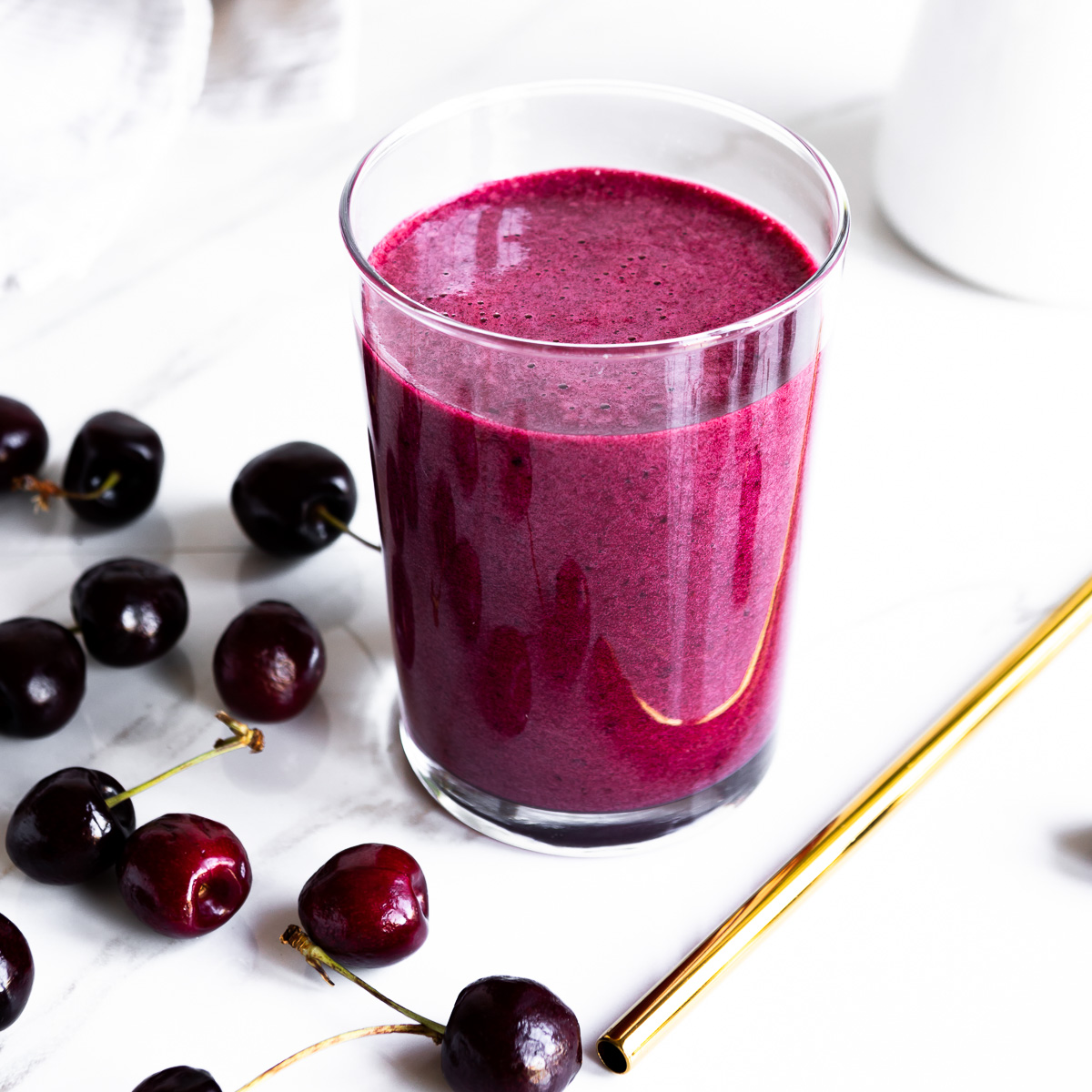
Cherry Collagen Smoothie
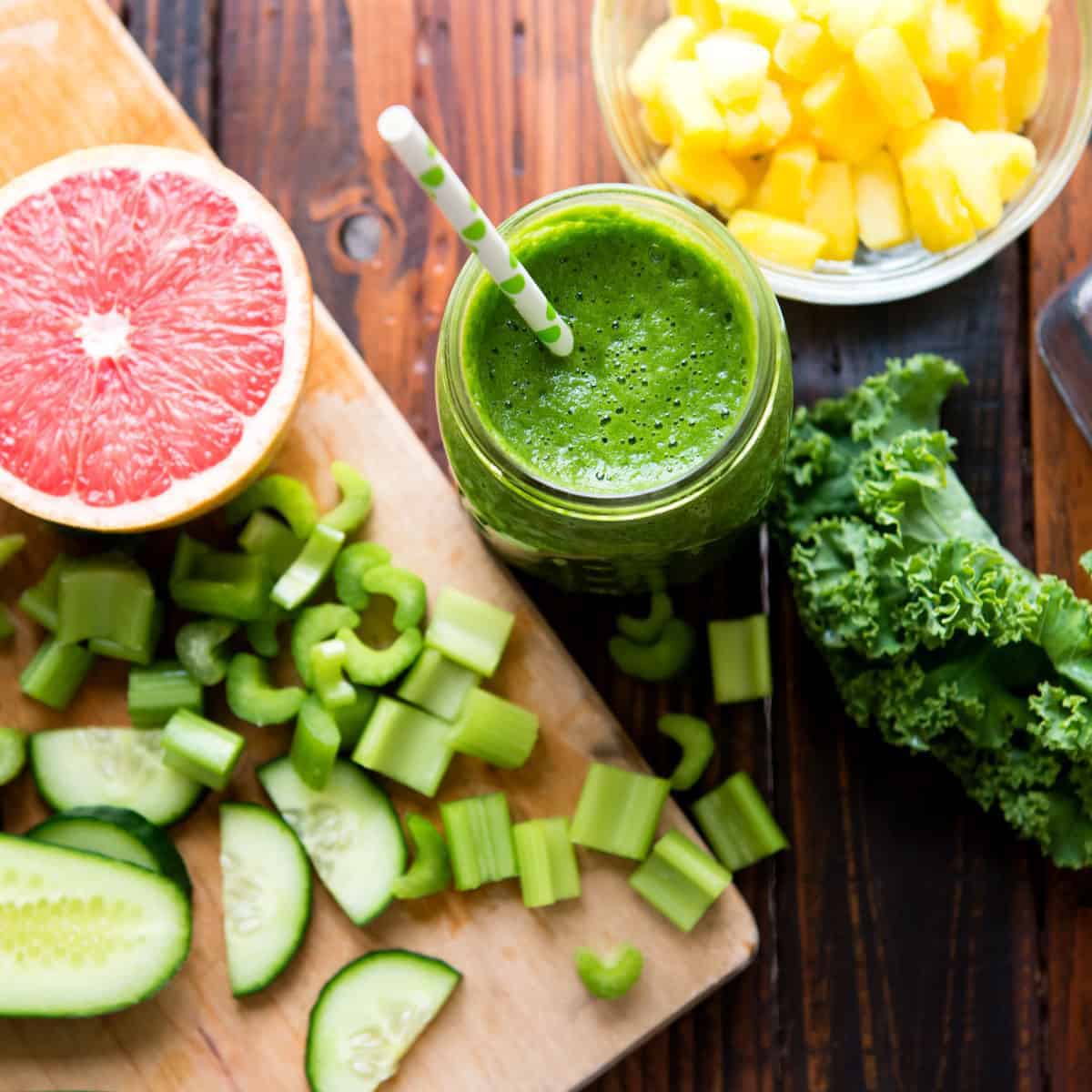
Fat-Burning Smoothie
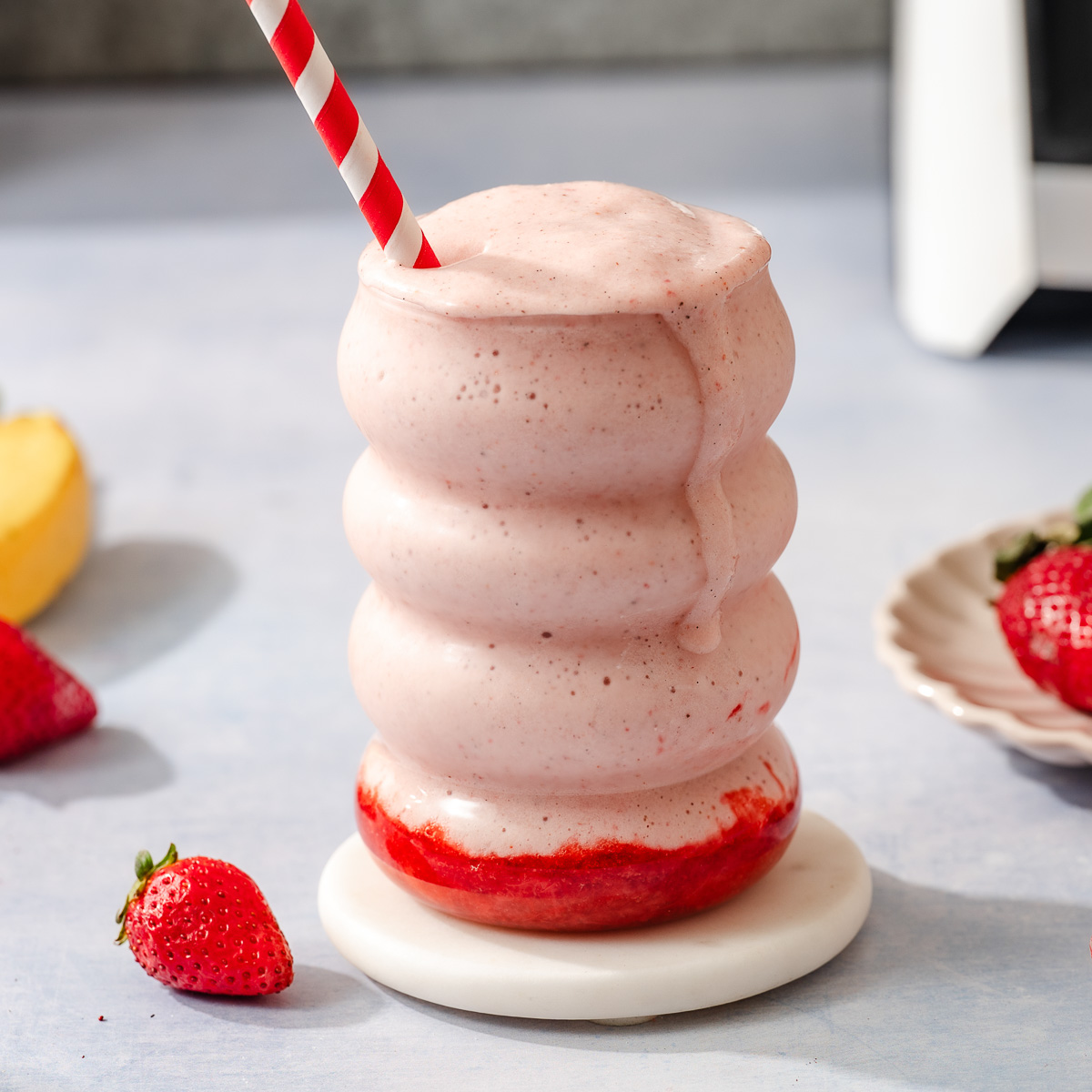
Strawberry Protein Shake
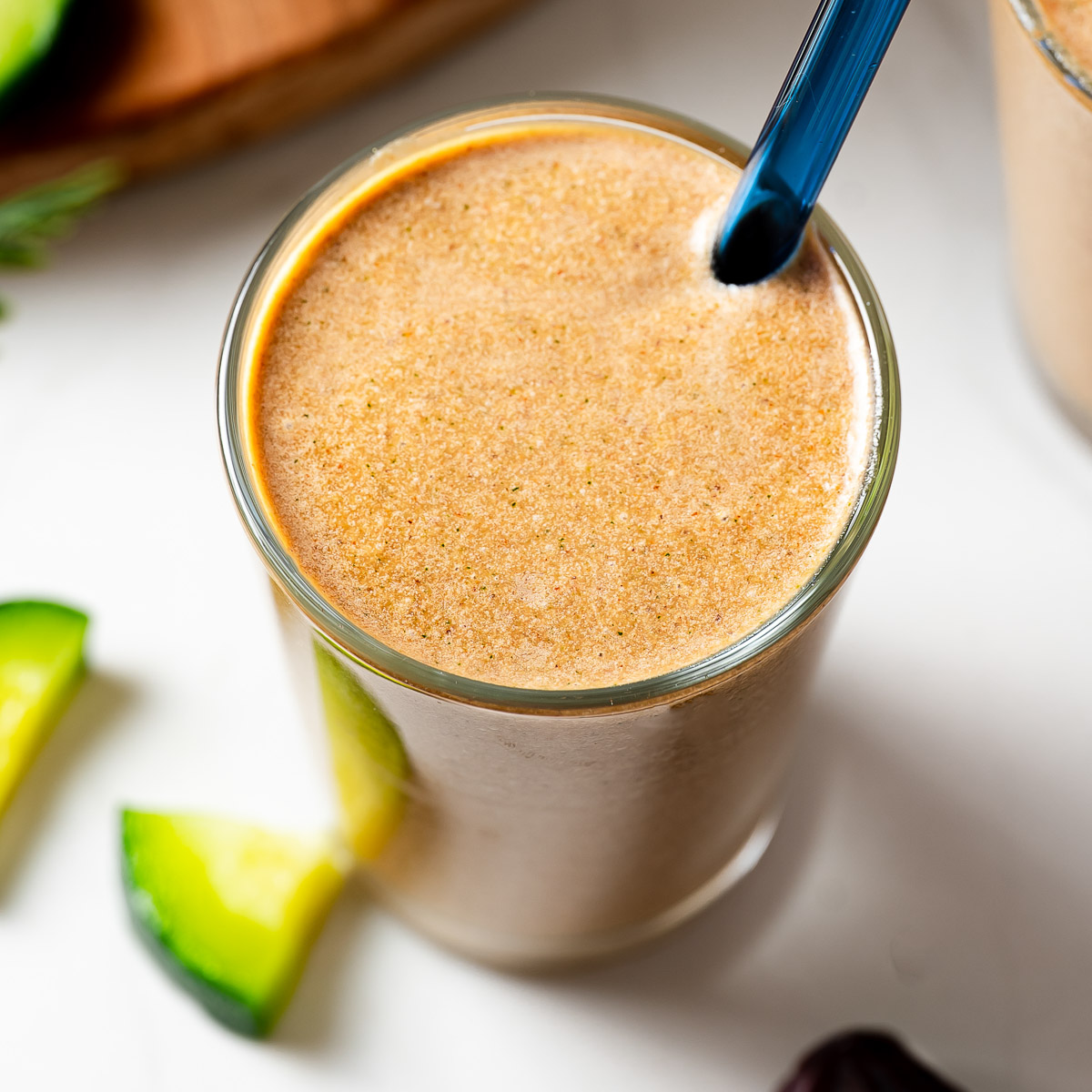
Low-Calorie Zucchini Smoothie
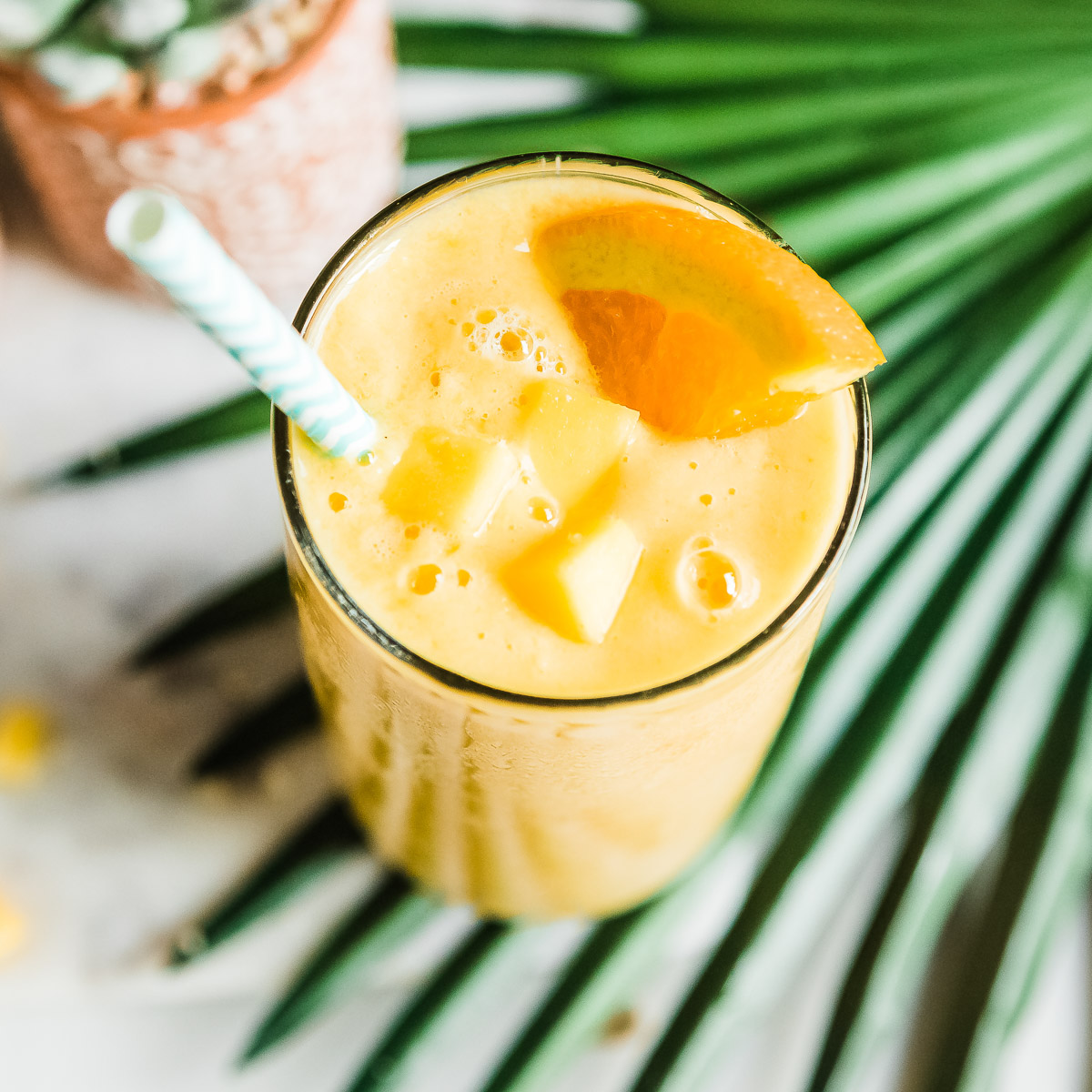
Golden Mango Smoothie — 30g protein
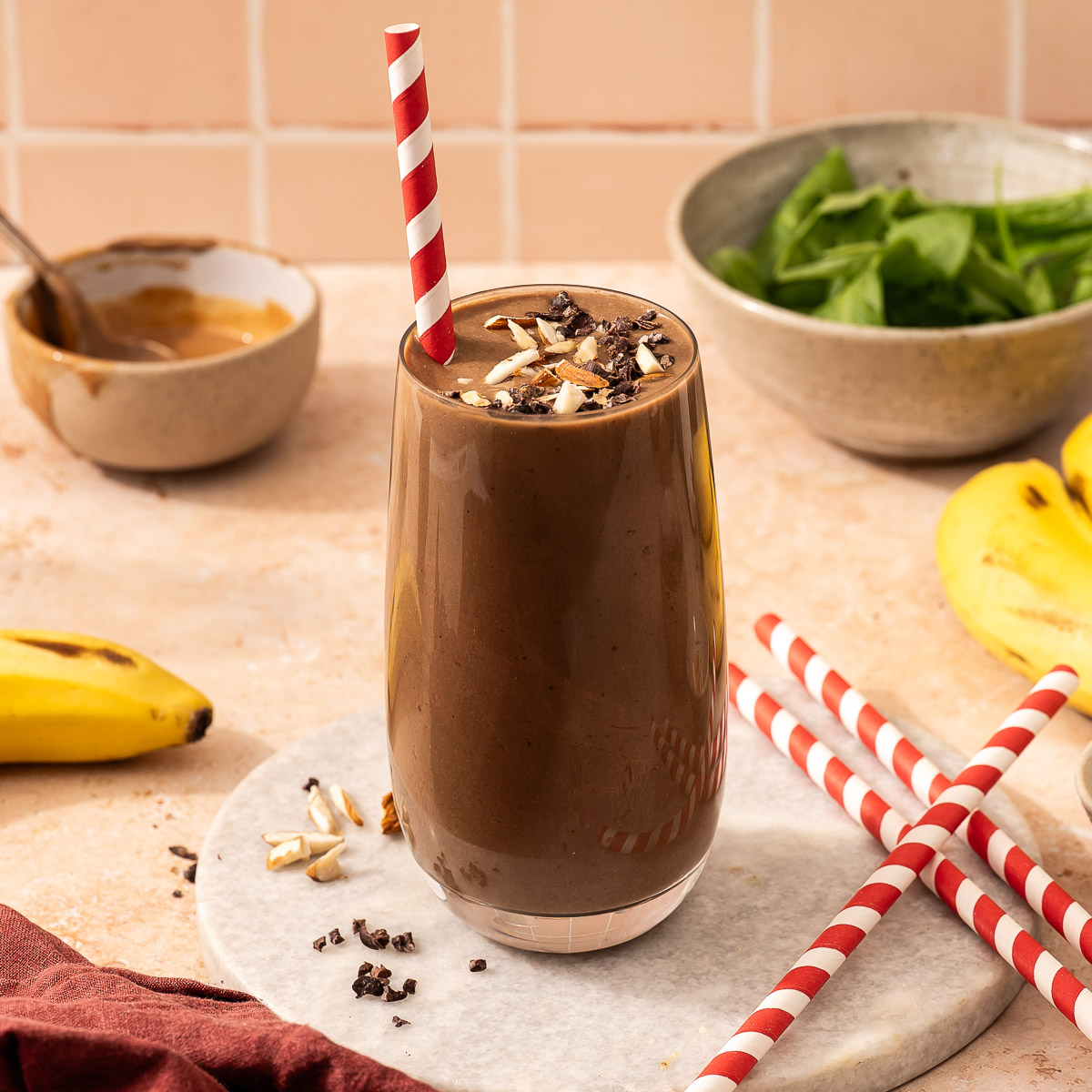
Chocolate Weight Loss Protein Shake
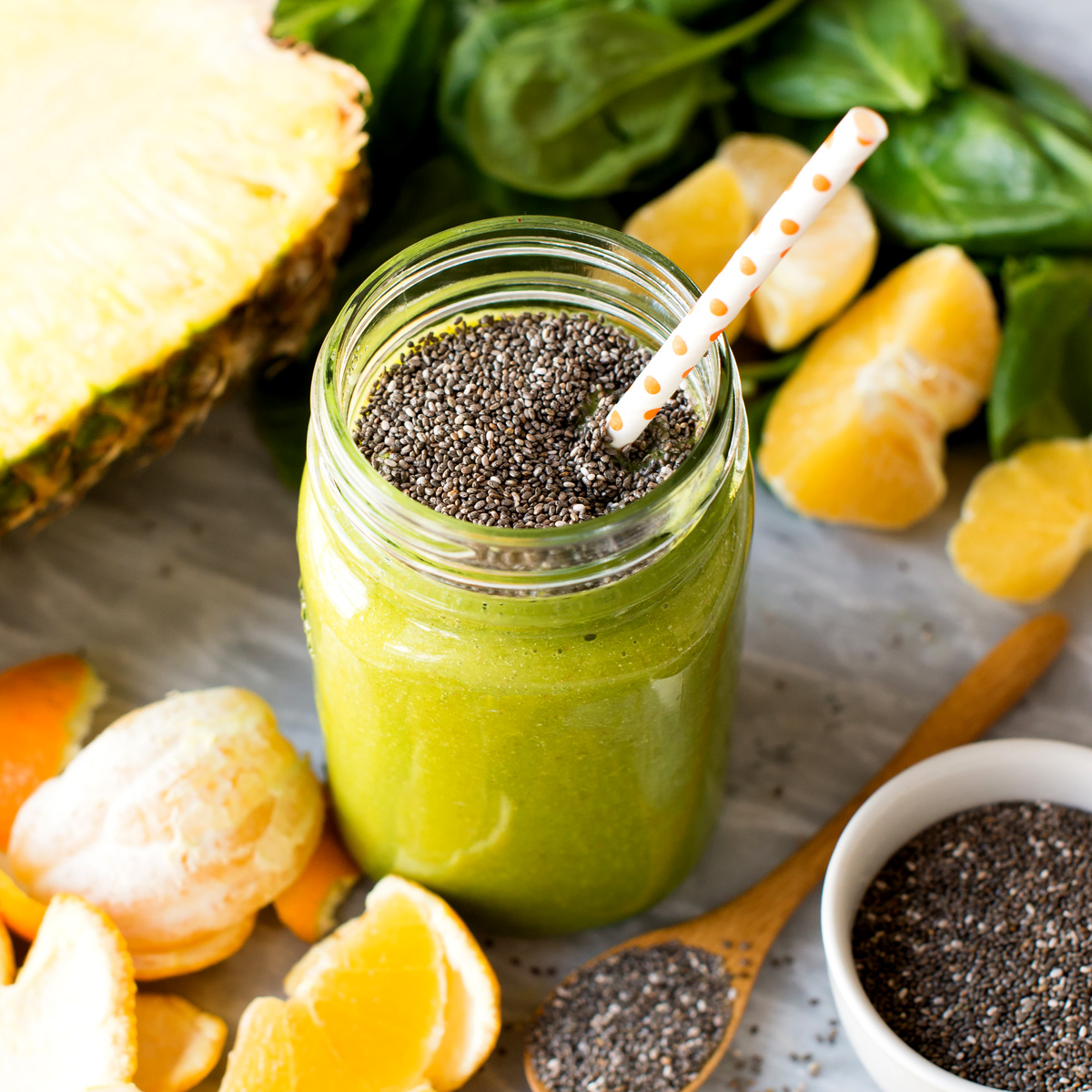
Chia Seed Smoothie

Meal Replacement Smoothie
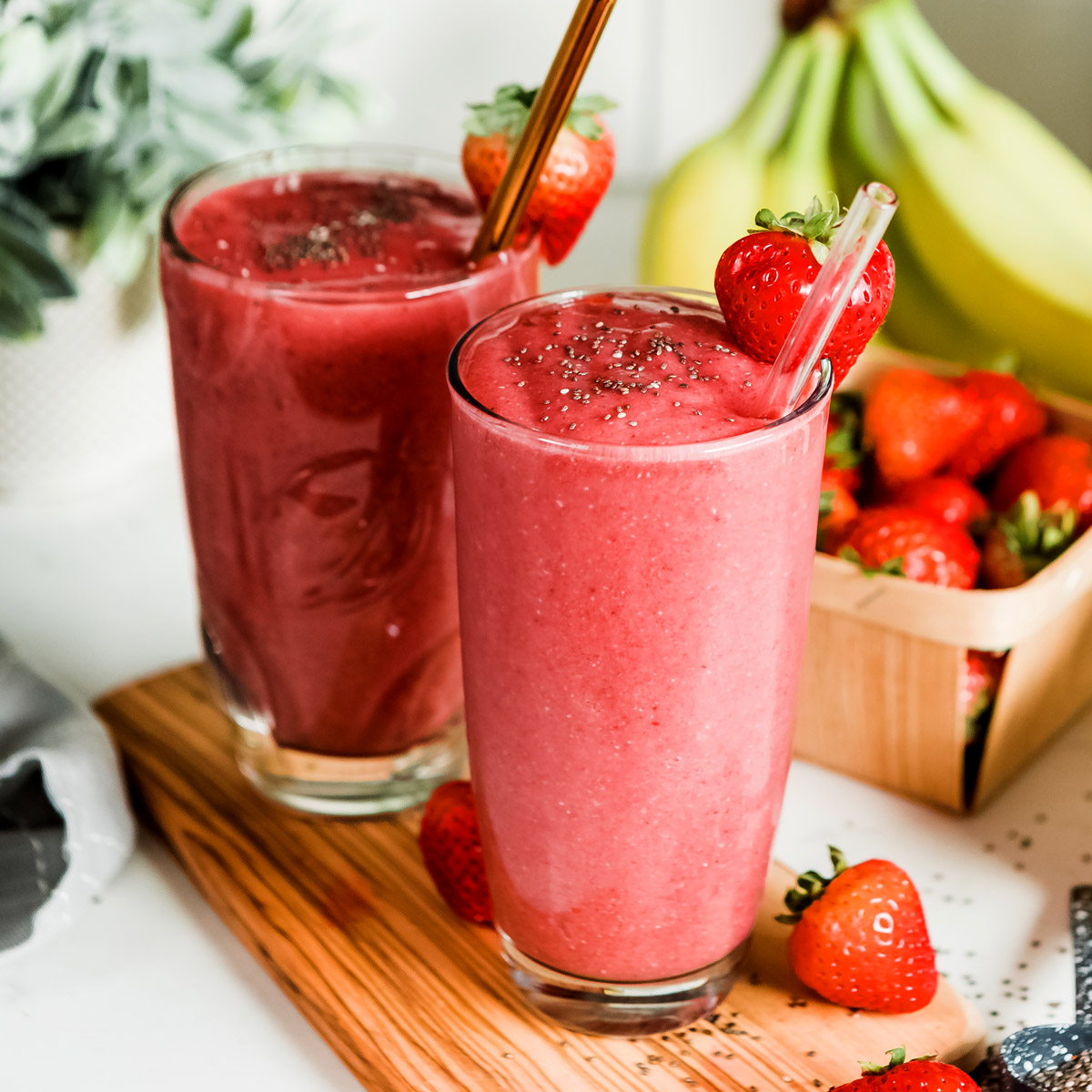
Strawberry Banana Smoothie
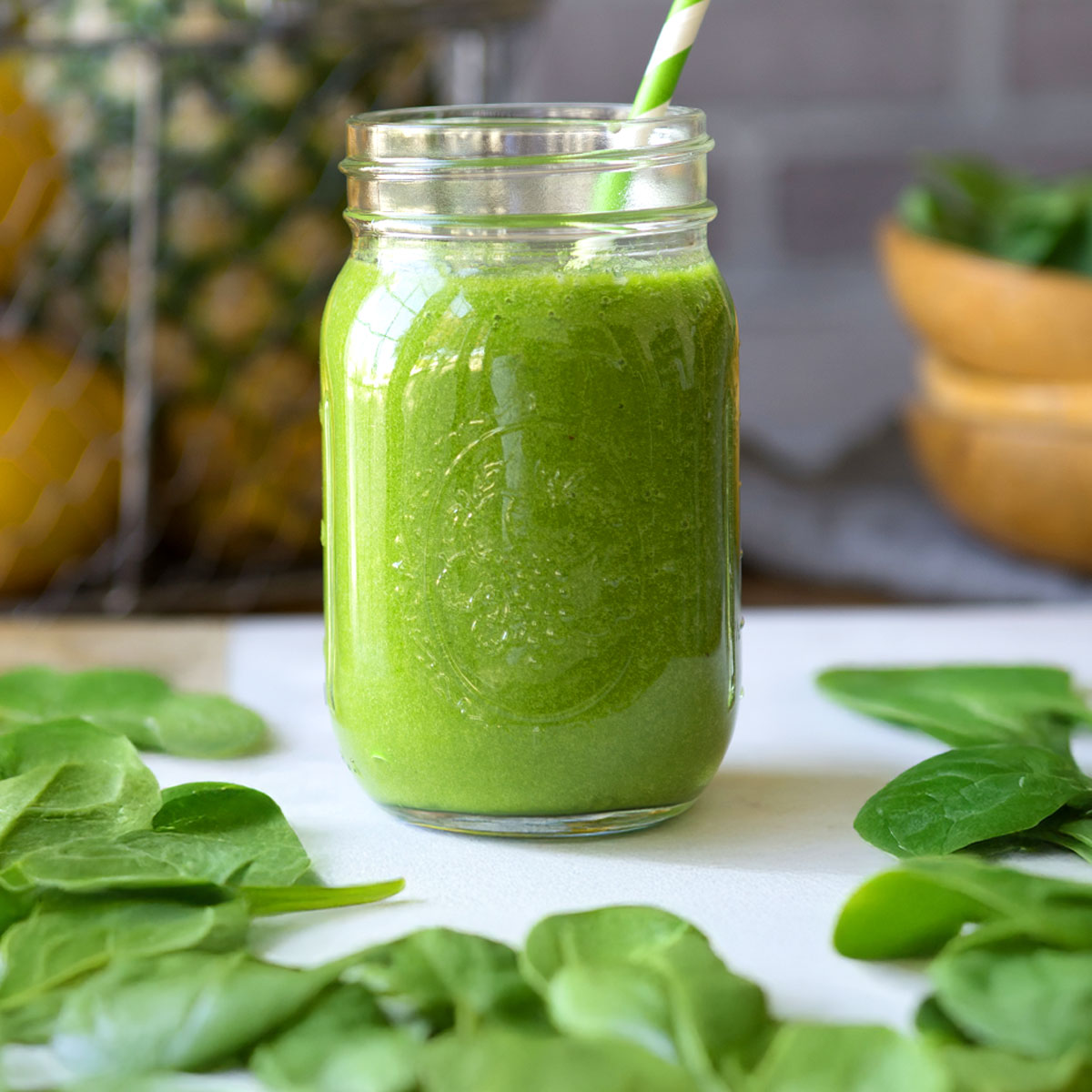
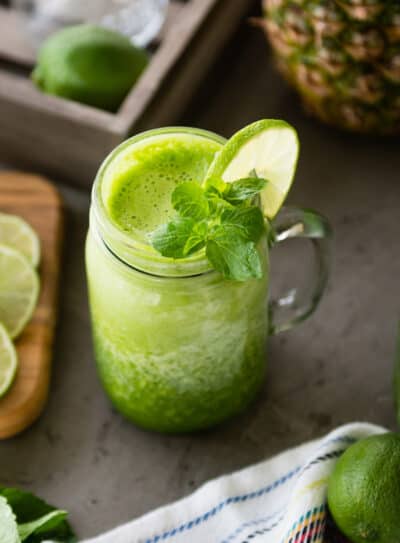
Best Green Smoothie
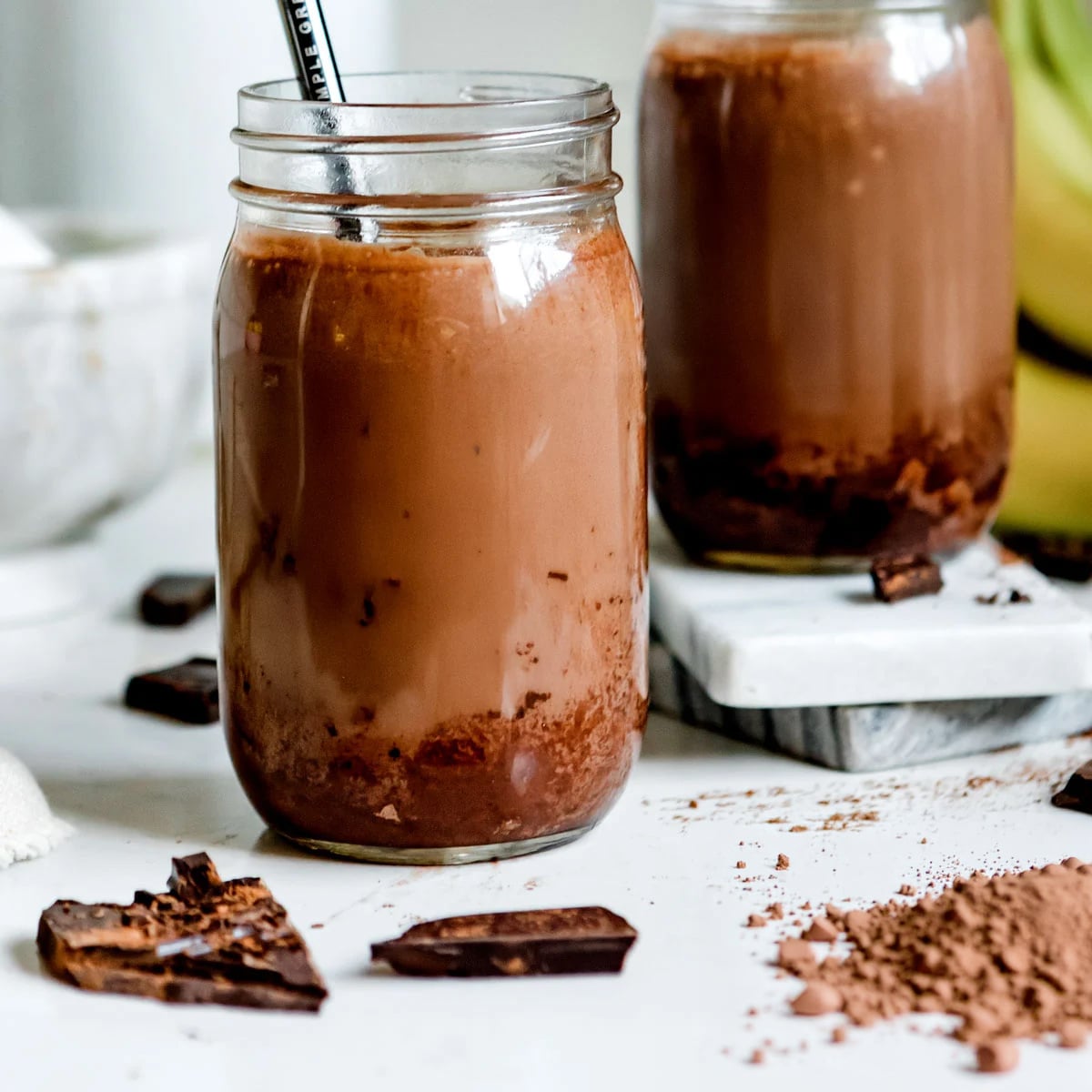
Chocolate Peanut Butter Smoothie
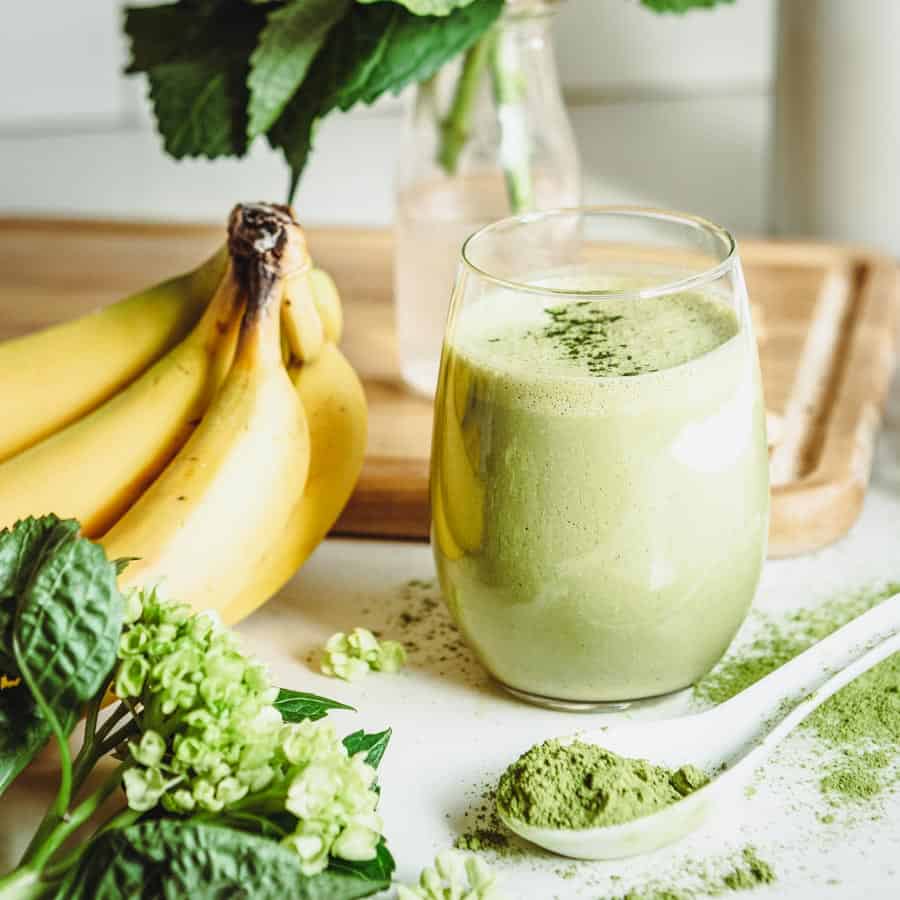
Vanilla Matcha Smoothie
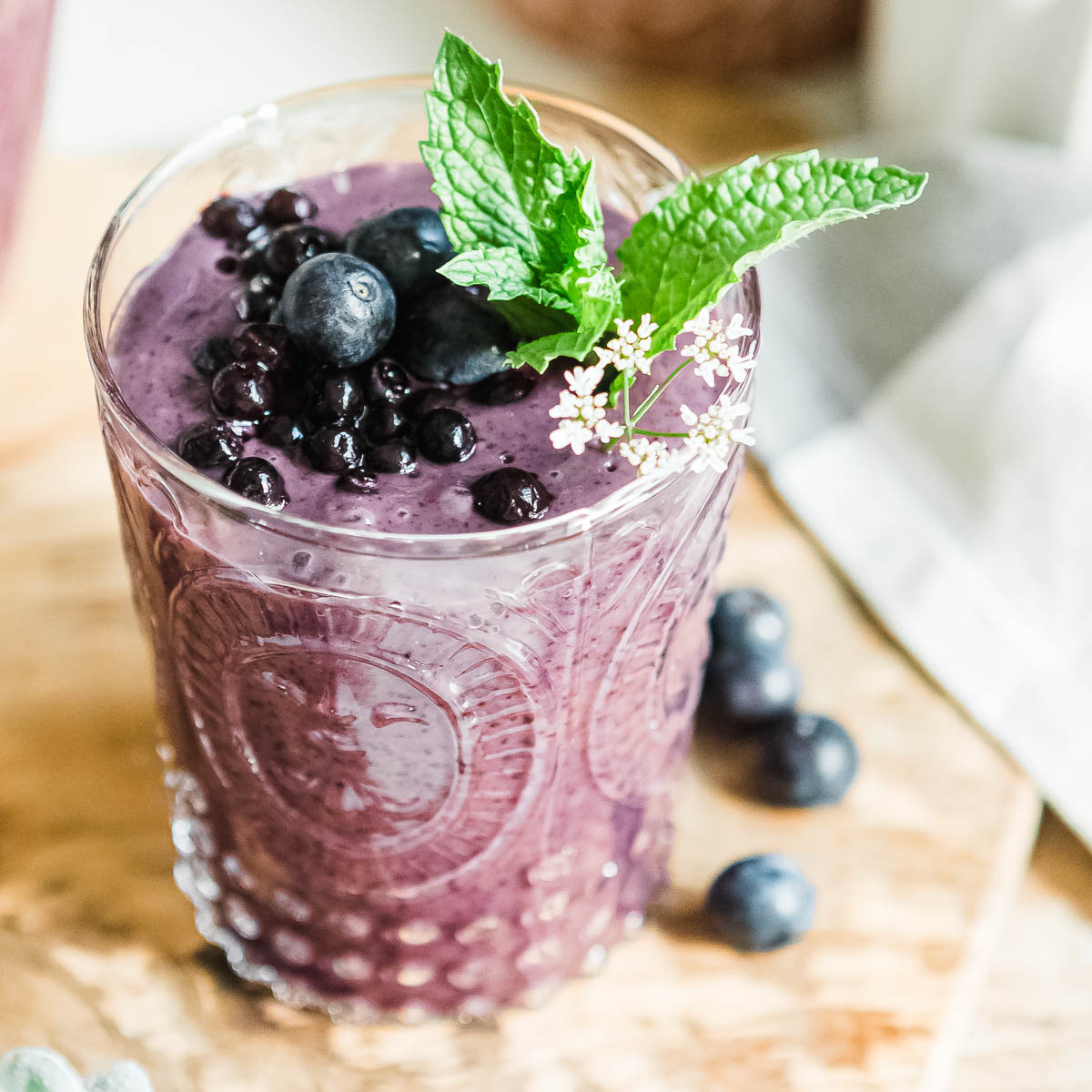
Healthy Blueberry Smoothie
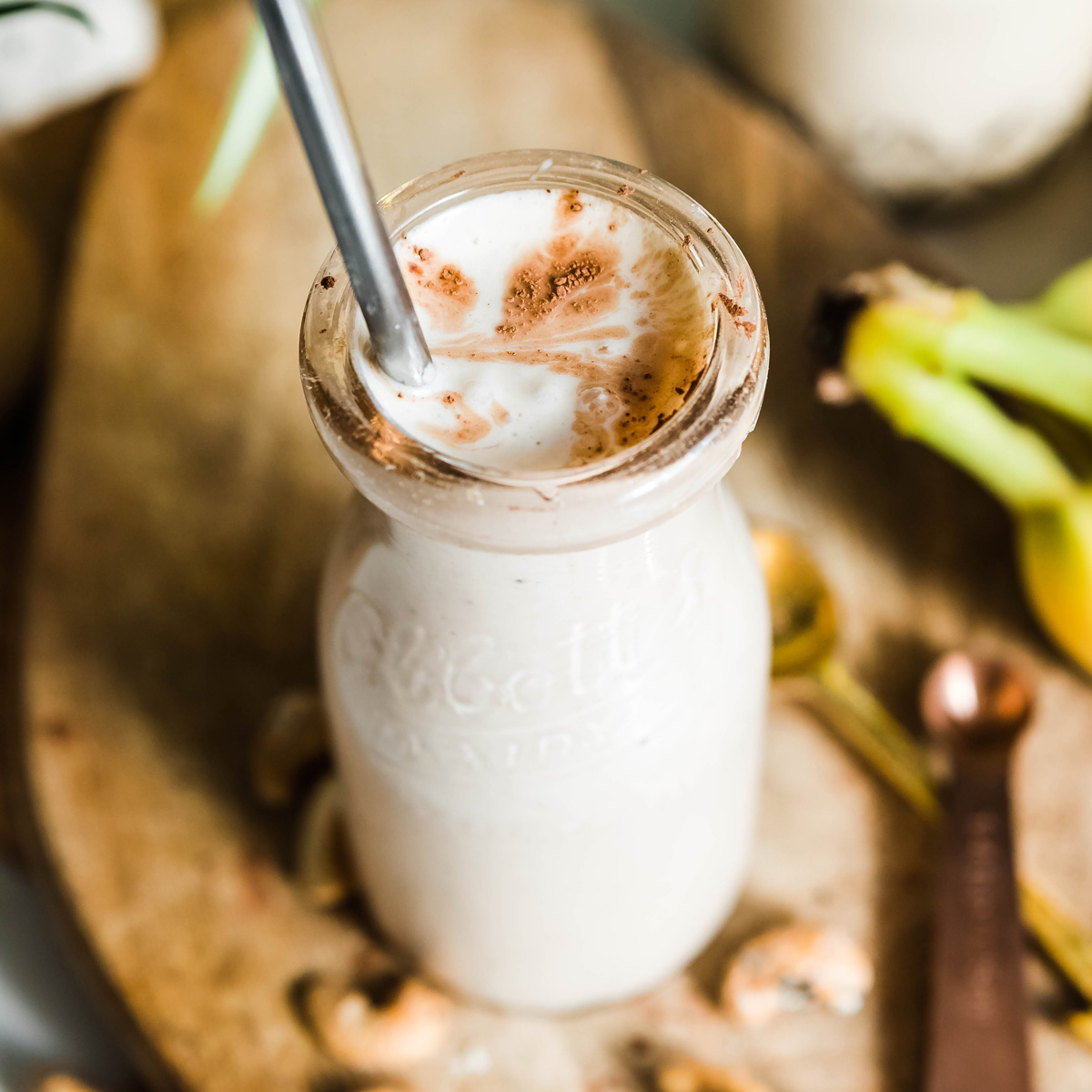
Creamy Banana Smoothie
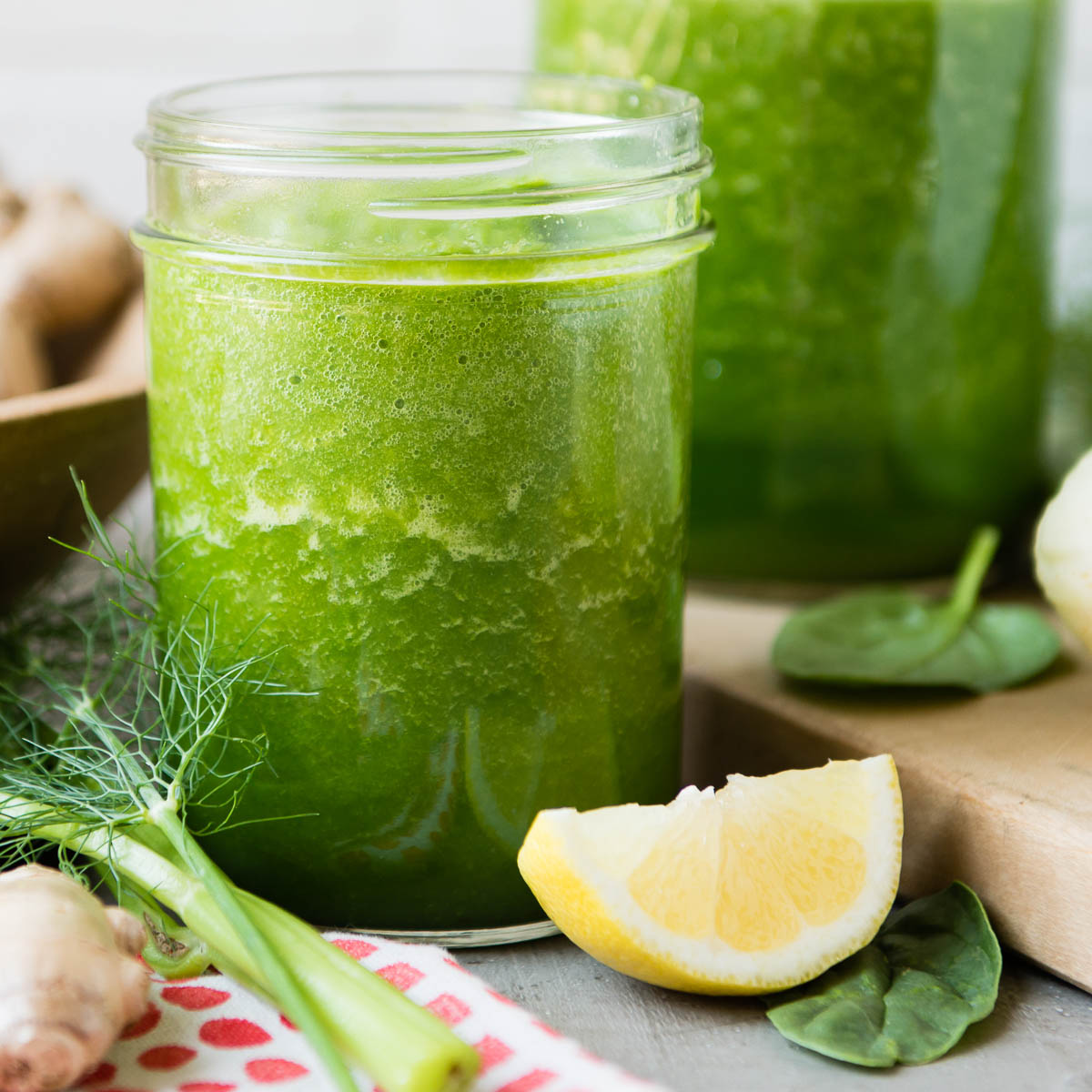
Apple Celery Smoothie
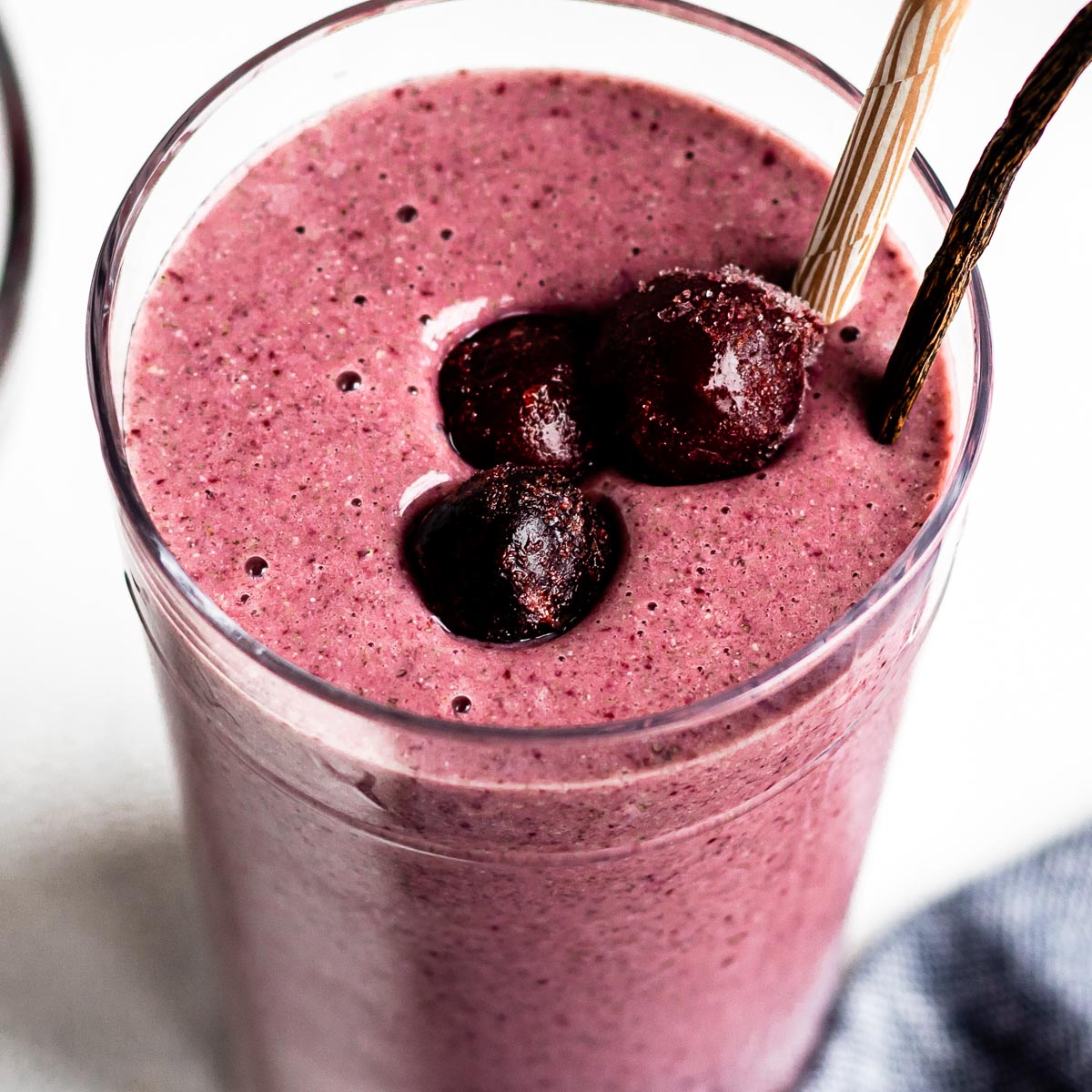
Cherry Vanilla Smoothie
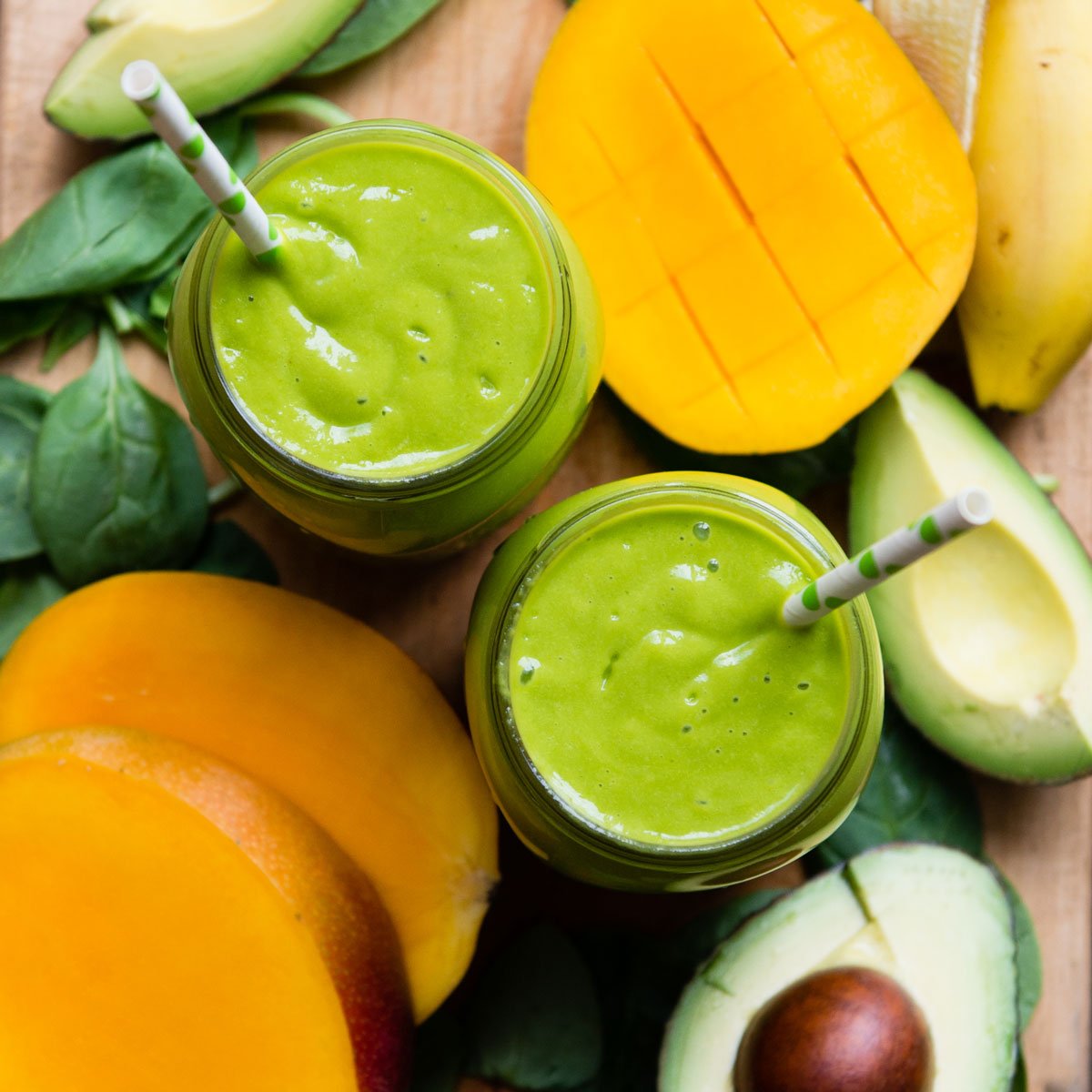
Avocado Banana Smoothie
Save this for Later!
Enter your info below and I’ll send this one straight to your inbox to have for later.
Key Ingredients for Weight Loss Smoothies
A balanced, high-protein smoothie routine can be a powerful tool for managing hunger and supporting weight loss. When your smoothies include a mix of protein, fiber, and healthy fats, they keep you full and energized for hours. Use this chart to tweak your favorite recipes to become weight loss smoothies.
| Type | Amount | Ingredients | Benefits |
|---|---|---|---|
| Fruits | 1 cup | Berries, bananas, apples, pears, mango, peaches, cherries | Add natural sweetness, vitamins, antioxidants, and help curb sugar cravings |
| Vegetables | ½ cup | Kale, spinach, cauliflower, cucumber, beets, celery, sweet potato | Boost nutrients and adds creaminess and fiber |
| Protein | 25g | Protein powder, yogurt, hemp hearts, silken tofu, collagen peptides | Supports muscle repair, keeps you full, and steadies blood sugar |
| Fiber | 8g | Spinach, kale, oats, chia seeds, flax seeds, frozen cauliflower | Aids digestion, gut health, and helps regulate blood sugar |
| Healthy Fats | 10g | Avocado, almond butter, cashews, tahini, hemp seeds, coconut milk | Provide sustained energy and aid nutrient absorption |
| Liquids | 1 cup | Unsweetened almond milk, oat milk, water, coconut water | Supports hydration, can add creaminess and nutrients |
| Boosters | 1-2 tbsp | Cacao, herbs, matcha, cinnamon, ginger, turmeric, probiotics | Enhance flavor, support metabolism, energy, or digestion |
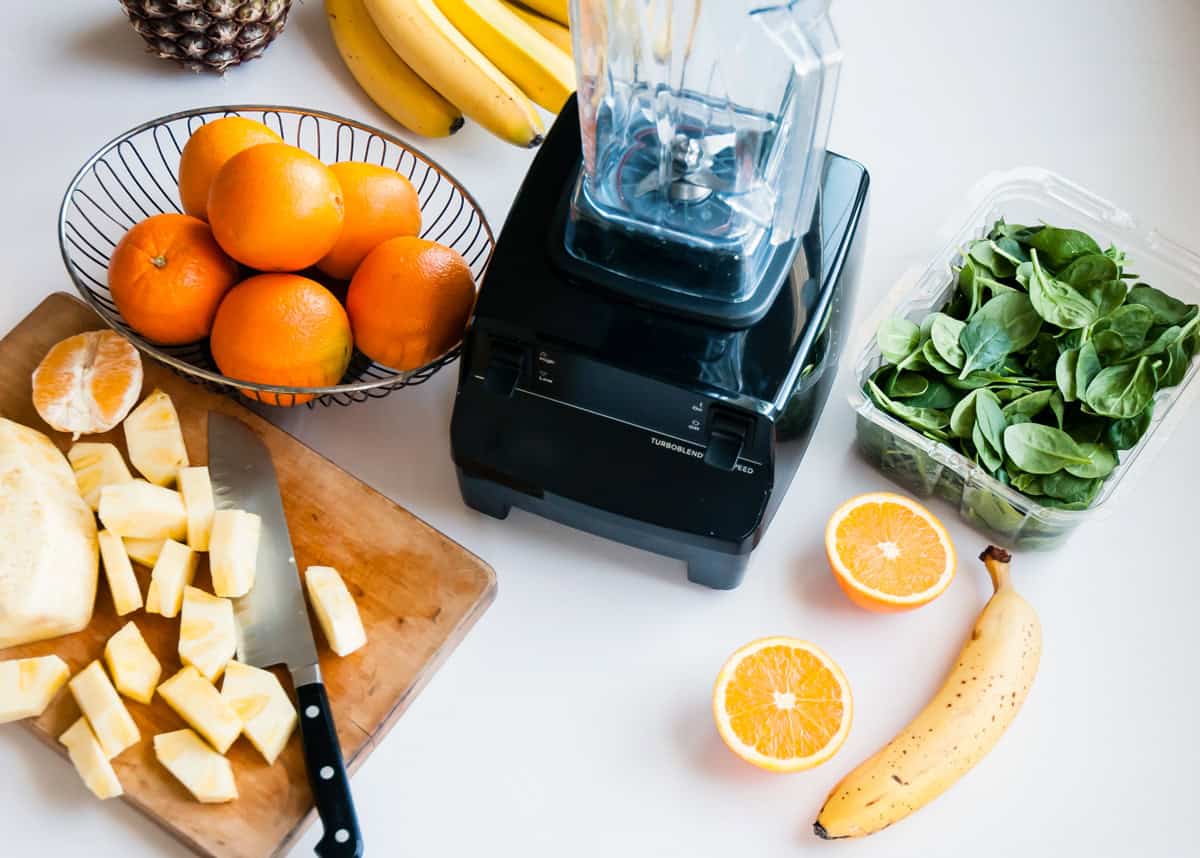
How to Use These
Using smoothies for weight loss can work well when you treat them like balanced meals, not drinks. Here are practical tips to keep them satisfying, results-driven and waistline-friendly.
- Build a complete meal: Include fiber (leafy greens, chia, flax, oats), protein (plant-based protein powder, nuts, seeds), and healthy fats (avocado, nut butter) so you stay full 3–4 hours.
- Keep portions in check: Aim for 300–450 calories if it is a meal, and 150–250 for a snack; sipping slowly also helps your body register fullness.
- Swap, don’t just add: Replace one meal (often breakfast or lunch) with a smoothie rather than drinking it on top of your usual meals.
Want more structure without more thinking? That’s exactly what I built the Rawk the Year Meal Planner for.
On a GLP-1 medication? Smoothies fit right in
No judgment here — I’m cheering for you however you get healthy. Your care team has probably already told you to prioritize protein and fiber, which is exactly what these recipes are built around; start with the highest-protein ones, try a 1-cup portion, and skip anything too rich on queasy days.
Common Questions
They work when they replace a meal and hit real protein and fiber numbers — not because of any single “fat-burning” ingredient. I’ve tested this formula across two cookbooks and a decade of recipes: 15–20g protein, 8–10g fiber, unsweetened liquid base. That’s what keeps a smoothie from turning into a sugar bomb in a cup.
Five parts: leafy greens, a protein source (Greek yogurt, silken tofu, or plant protein), a fiber booster (chia, flax, oats), whole fruit for sweetness, and an unsweetened liquid. That combination is what keeps you full for hours — no exotic superfoods required.
Yes — it’s how I get through actual weekday mornings. I portion fruit, greens, and boosters into freezer bags every Sunday (see my frozen smoothie pack tutorial), then it’s just dump, add liquid, and blend. Five minutes, no thinking required.
Almost always. Match the category, not the exact item — any berry for another, any leafy green for another, any nut butter for another. The protein and fiber counts will shift slightly, but the formula still holds.
At least 15–20g, and 25–30g if it’s replacing a full meal. Greek yogurt, cottage cheese, kefir, and silken tofu get you there without needing protein powder at all.
Generally yes — small, protein-and-fiber-dense smoothies suit reduced appetites well, and the fiber helps with the constipation many GLP-1 users experience. Your health care team’s guidance comes first; see the GLP-1 section above for how to adapt the recipes.