

This post may contain affiliate links.
I use the Dirty Dozen list below to decide which produce is most important to buy organic. My budget doesn’t allow for 100% organic—and that’s okay—this list helps me make smart, realistic choices for my family, and I hope it helps you do the same.
I began blogging here in 2013, during a season of inspiration and financial uncertainty. After moving my family from Los Angeles to Central Florida without health insurance and relying on WIC for groceries—an experience that showed me how simple food choices helped us get sick less often and recover more quickly.
Today, with more stability, I can choose organic produce more often, but my belief hasn’t changed: all produce is good, and the goal is simply to eat more fruits and vegetables, enjoy the process, and nourish our families every day.
What is the Dirty Dozen?
The Dirty Dozen is an annual list from the Environmental Working Group that highlights fruits and vegetables with the highest pesticide residues based on government testing data.
Dirty Dozen List of 2025
Below are the fruits and vegetables on the 2025 Dirty Dozen, with a simple, practical explanation of what to know when buying each one.
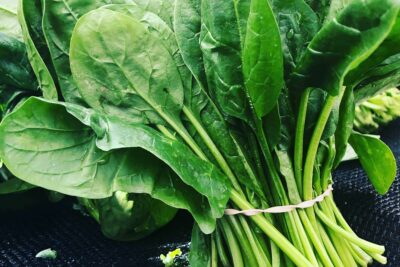
Spinach
Spinach has more pesticide residues by weight than any other produce tested, often containing multiple chemicals on a single sample. This is one of my go-to leafy green vegetables for smoothies and salads.
I buy organic spinach at Costco for less than $6 to use smoothies and and freeze spinach if I won’t use it up quick enough.

Strawberries
The average American eats about eight pounds of strawberries each year—and conventional berries can come with dozens of pesticide residues. Their porous skin absorbs chemicals easily, making organic strawberries the safer choice.
Strawberries drop in price during spring and summer— that’s when I can afford organic.
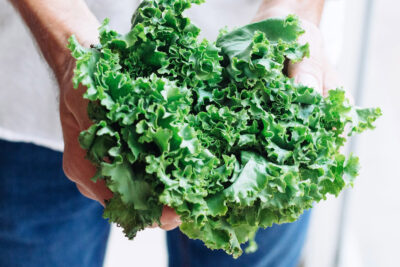
Kale, Collard & Mustard Greens
More than half of kale samples tested were tainted with potentially cancer-causing pesticides. These hearty greens are nutritional powerhouses, but organic versions significantly reduce pesticide exposure.
Sprouts and Publix have BOGO deals on organic kale all the time. You can freeze kale if you have a surplus.

Grapes
Conventional grapes frequently test positive for multiple pesticide residues, including some not approved in other countries. Since grapes are eaten whole with the skin, choosing organic makes a meaningful difference.
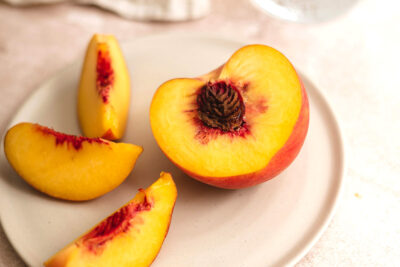
Peaches
Peaches pack a punch when it comes to pesticide contamination, largely due to their delicate skin. Washing doesn’t remove everything, so organic peaches are worth the upgrade.

Cherries
Cherries often contain pesticide residues that penetrate the fruit’s skin and remain after washing. Because they’re typically eaten fresh, organic cherries are the better option when available.

Nectarines
Like peaches, nectarines have thin skins that allow pesticides to linger. Organic nectarines help limit exposure to residues linked to hormone and nervous-system disruption.
Pears
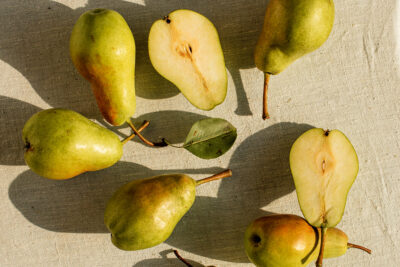
Pears rank among the most pesticide-contaminated fruits on EWG’s Dirty Dozen list. Buying organic pears is especially important since residues can remain even after peeling.
Apples
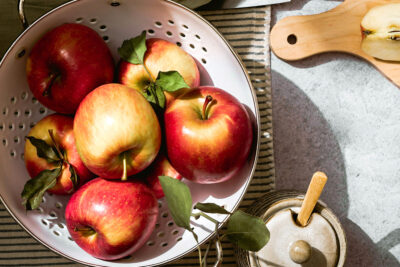
Apples are often treated with chemicals after harvest to prevent spoilage and improve appearance. Choosing organic apples helps avoid these post-harvest pesticide coatings.
Blackberries
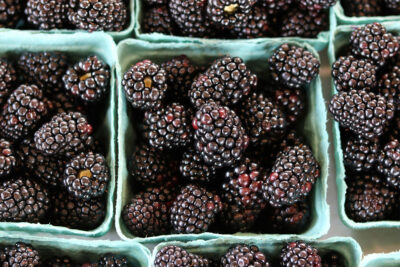
Blackberries landed on the Dirty Dozen after USDA testing began in 2023. Early results show concerning pesticide levels, making organic blackberries the smarter choice.
Blueberries
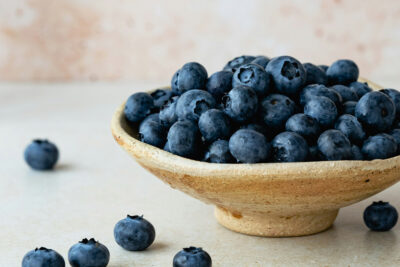
Blueberries are back on the Dirty Dozen, with traces of several toxic pesticides detected. Their delicate skin offers little protection, so organic blueberries are strongly recommended.
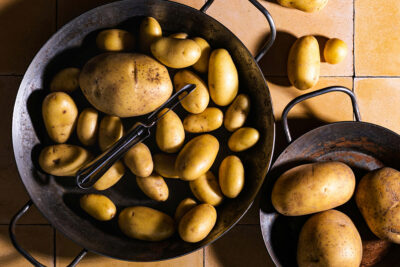
Potatoes
Potatoes—America’s most consumed vegetable—round out the 2025 Dirty Dozen. They often contain pesticide residues in both the skin and flesh, making organic potatoes a wise swap.
How to Use the Dirty Dozen
You don’t need to buy everything organic to eat well. Prioritize organic options for Dirty Dozen produce when you can, and feel confident choosing conventional produce—especially from the Clean Fifteen—for the rest. Progress over perfection.
The Environmental Working Group uses USDA and FDA data for its lists, but groups like the Alliance for Food and Farming caution that fear-based messaging can discourage produce consumption. I use the Dirty Dozen as a guide, not a rule—buy what works for your family and focus on eating more fruits and vegetables overall.
Organic Produce Tip
You can save money on organic produce at local farms. Ask the farmer directly about their farming practices—I find that many farmers follow strict practices that limit pesticide exposure, yet aren’t USDA certified organic because it is a very expensive and extensive process to follow. I feel comfortable purchasing from these vendors after talking to them and understanding how they farm.
Common Questions
No. The list is not a warning to avoid these foods—it’s a guide to help you decide where buying organic may reduce pesticide exposure.
Not at all. Many people use the Dirty Dozen to prioritize organic purchases for a small group of produce while buying conventional options for everything else.
Washing helps remove dirt, bacteria, and some surface residues, but it doesn’t eliminate all pesticides. That’s why organic choices can matter most for Dirty Dozen items.
Yes—100%. Eating fruits and vegetables, organic or not, is far better than avoiding produce altogether.
The list updates annually based on new testing data from the USDA, which may include newly tested produce or changes in residue levels.
Do you follow the Dirty Dozen list? Your feedback helps me and all the readers in this community. And if you’re interested in more plant-based recipes (and exclusive content), sign up for my weekly recipe newsletter.














but, its very difficult to get organic product in my town 🙁
That’s ok, Tifa! Fruit and veggies are better than no fruit and veggies… even if they aren’t organic! Do what you can do!
Are these smoothies sufficient as a breakfast meal on its own or we do need to complement the smoothie with sth else for a complete nutritious breakfast. If so, what foods do u suggest that goes with the smoothie for a complete breakfast.
Hi Elena!
We think they’re pretty sufficient on their own for a meal replacement, but you can think about adding some of these things to it to help:
https://simplegreensmoothies.com/plant-based-protein-powder
https://simplegreensmoothies.com/healthy-fats
Hello Simple Green Smoothies,
I just signed up for the April challenge today with two of my coworkers and we are so excited!!!
I have an ordinary blender and a Breville Juicer. Which would you recommend for the challenge? I may have a mini power blender(cant remember the brand name) hanging around in my kitchen too.
Thanks in advance 🙂
Hey Crystal!
Our site is all about blending green smoothies, so any ordinary blender or mini power blender will do 🙂 Some people follow along with their juicers, but we don’t really have much advice for them since we aren’t too experienced with juicing.
Hello,
Do you ever use cucumber? I have been looking through you recipes and have not seen it. Could I use that instead of banana?
Also what about pumpkin? or would that be gross.
Are there any other veggies you use or just the greens?
Hi Angela!
Here are two different recipes with cucumber or pumpkin 🙂
https://simplegreensmoothies.com/sweet-potato-smoothie
https://simplegreensmoothies.com/immune-system-booster
Also, here’s an article on root veggies in green smoothies 🙂
https://simplegreensmoothies.com/fruit-and-vegetable-smoothie
Sorry if this is mention somewhere already, but when using Kale and spinach, do you clean it and use it right away in a smoothie or should I cook it first and then put in a smoothie? Also is it the same for storing it? Is there a difference if I’m using organic produce or not?
Hi Michelle!
We do not cook the leafy greens before using. We like keeping them raw and full of nutrients!