

This post may contain affiliate links.
This healthy fats list covers the seven plant-based fats I reach for nearly every day. I match each one to the smoothie, sauce, or bake it does best.
When I started eating plant-based, I focused only on fiber and protein. Then I began adding fat on purpose, and my meals turned creamier and more satisfying. That said, not every fat belongs in every recipe.
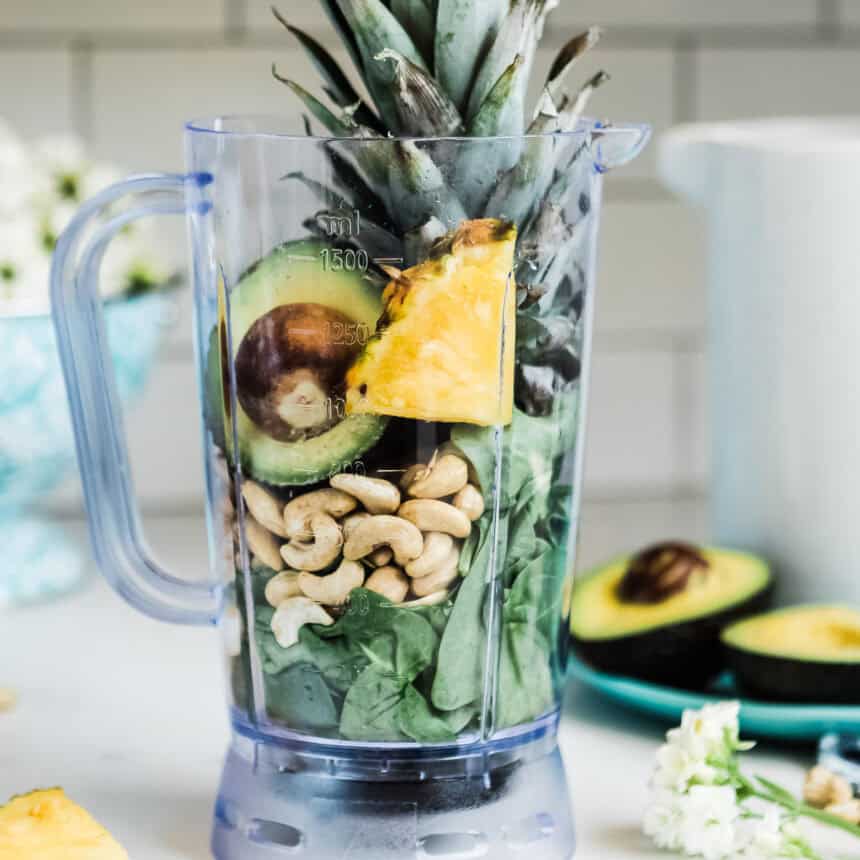
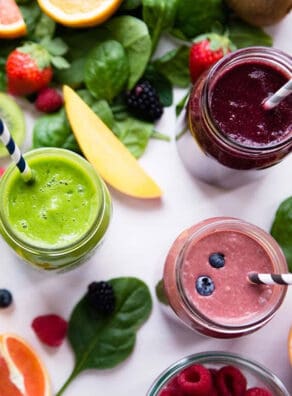
Some blend into smoothies, some belong in dressings, and some work better in the oven. Want one smoothie that uses several? Start with my Healthy Fats Smoothie. Prefer a blend-and-go option? Try Healthy Fats Smoothie Cubes.
Table of Contents
What Are Healthy Fats?
When readers ask me why I add fat to a smoothie on purpose, I get it. For years, the message was to cut it out. Here is how I sort it. Fat comes in three types: unsaturated, saturated, and trans. Unsaturated is the type I build meals around, and plants supply most of it.
You already know many of these foods. Avocados, olives, nuts, seeds, tofu, and edamame all count. Chia, flax, hemp, and walnuts also bring plant-based omega-3s, so they land in my smoothies often.
Fats to Limit
Progress over perfection applies here, so start by checking one label. Hydrogenated and partially hydrogenated oils in packaged foods are the ones I skip. Coconut and palm oil come from plants, yet they are high in saturated fat. That is why I save them for baking and flavor.
Top 7 Healthy Fats List
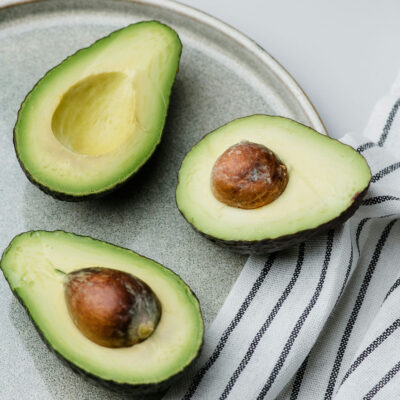
Avocado
About 2 g fat (1 tablespoon, mashed)
Mild and buttery, avocado makes a smoothie creamy without tasting green. A little goes a long way toward a thick, milkshake-style texture.
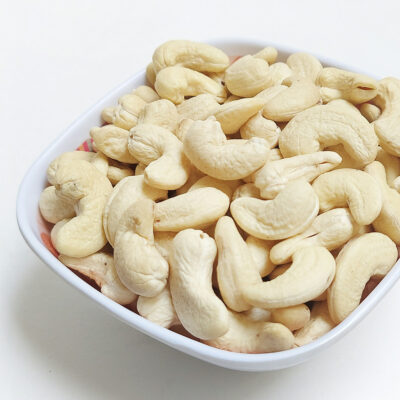
Cashews
About 12 g fat (1 ounce)
Soft, slightly sweet, and naturally creamy, cashews blend smooth into smoothies and sauces. They add richness without a strong nutty flavor.
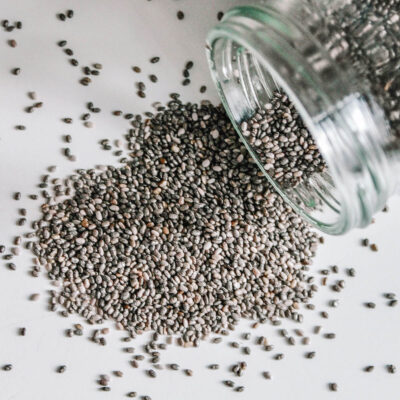
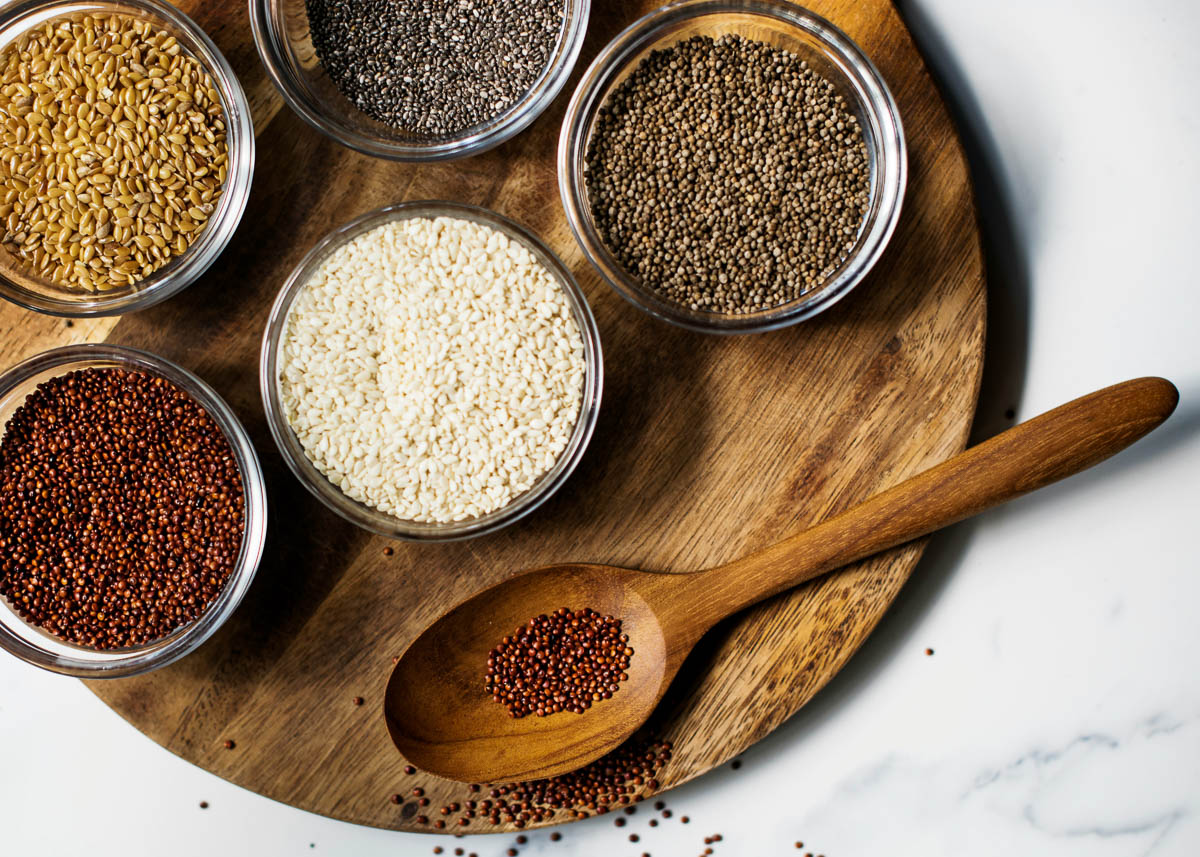
Chia seeds
About 4 g fat (1 tablespoon)
Neutral in flavor, chia seeds gel in liquid and thicken a smoothie as it sits. One tablespoon also has about 4 g of fiber.
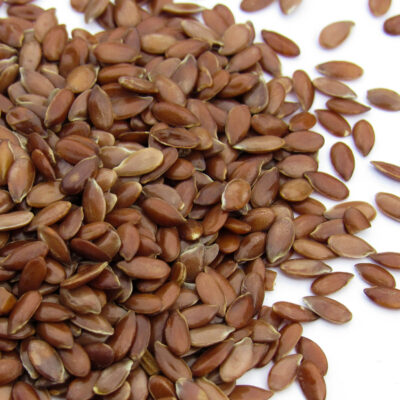
Flaxseeds
About 3 g fat (1 tablespoon, ground)
Mild and slightly nutty, ground flaxseed disappears into smoothies. Flax is also among the richest plant sources of omega-3 ALA, with about 2 g of fiber per tablespoon.
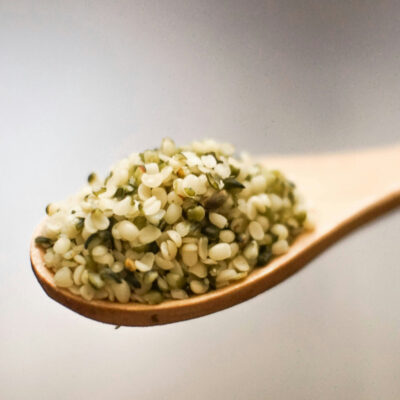
Hemp Seeds
About 5 g fat (1 tablespoon)
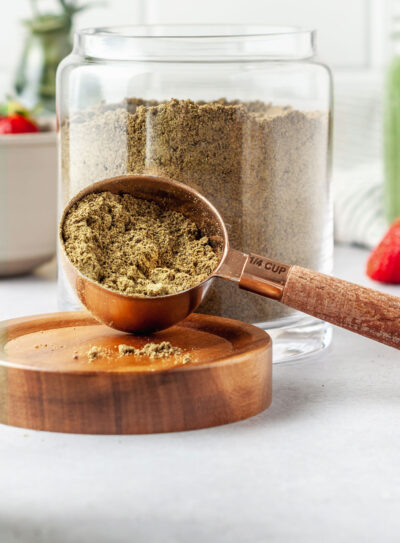
Mild and nutty with a soft, buttery texture, hemp hearts need no blending. Sprinkle them over oatmeal, salads, grain bowls, or roasted vegetables. One tablespoon has about 3 g of protein.
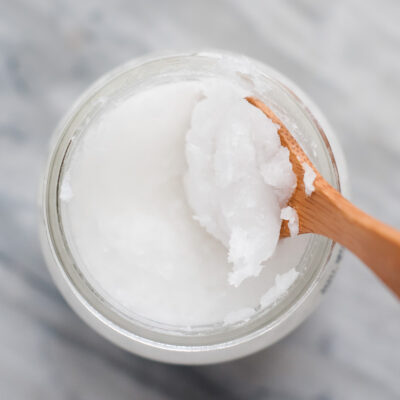
Coconut oil
14 g fat, about 12 g of it saturated (1 tablespoon)
Coconut oil adds a subtle tropical note and a rich, silky feel. It shines in baking, where it firms up as it cools. Because it is high in saturated fat, I treat it as a flavor fat, not an everyday one.
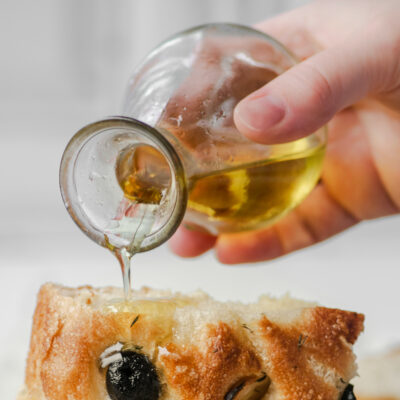
Olive oil
14 g fat, about 2 g of it saturated (1 tablespoon)
Smooth and fruity, extra-virgin olive oil shines in dressings and on roasted vegetables. It belongs in meals, not smoothies. Most of its fat is monounsaturated.
Healthy Fats Comparison Chart
| Fat | Serving | Total fat | Saturated fat |
|---|---|---|---|
| Avocado, mashed | 1 tablespoon | ~2 g | ~0.3 g |
| Cashews, whole | 1 ounce | ~12 g | ~2 g |
| Chia seeds | 1 tablespoon | ~4 g | under 1 g |
| Flaxseed, ground | 1 tablespoon | ~3 g | under 1 g |
| Hemp seeds, hulled | 1 tablespoon | ~5 g | under 1 g |
| Olive oil | 1 tablespoon | 14 g | ~2 g |
| Coconut oil | 1 tablespoon | 14 g | ~12 g |
Values are rounded and shift a little by brand. Cashews appear per ounce because a tablespoon of whole nuts is hard to measure.
Other Plant-Based Fat Sources to Explore
- Almonds and almond butter for smoothies and snacks
- Walnuts, pecans, and pistachios for baking and toppings
- Nut butter made from peanuts, cashews, or sunflower seeds
- Olives in bowls, tapenades, and salads
- Tahini and avocado oil for dressings and higher-heat cooking
Easy Ways to Add More Plant-Based Fats
Swapping fats does not mean giving up flavor. These changes fit into meals you already make.
- Read ingredient labels first: skip anything with hydrogenated or partially hydrogenated oils.
- Cook with olive oil: use it in place of butter or shortening when you sauté or roast. Then reach for avocado oil at higher heat.
- Upgrade your spreads: use avocado, hummus, or almond butter where you would use butter or cream cheese.
- Rethink snacks: trade chips and pastries for nuts, seeds, or olives. A small handful of almonds also adds fiber and crunch.
- Build smoothies with a fat: add chia, ground flax, avocado, or almond butter to your fruit. For the full method, see my guide to making a smoothie.
- Choose whole foods first: avocado, nuts, and seeds bring fiber along with their fat. For more seeds to keep stocked, see my Superfoods List for Smoothies.
- Start small: change one fat at a time, like the cooking oil or the seeds in your smoothie.

Daily Fat Guidelines
The Dietary Guidelines for Americans suggest 20 to 35 percent of calories from fat for adults. Most of that should come from unsaturated fats, and saturated fat should stay under 10 percent. Here is what that looks like in real life:
- At 1,800 calories a day, that range is about 40 to 70 grams of fat.
- One tablespoon of oil has 14 grams, so small amounts add up fast.
- Choose whole-food sources first, like avocado, nuts, seeds, and nut butter.
- Add chia, flax, hemp, or walnuts most days for plant-based omega-3s.
If you’d rather not plan the week yourself, my Plant-Based Meal Plan does it for you.
Common Questions
Avocado, nuts, seeds, olives, and olive oil lead the list. Chia, flax, and hemp seeds also add plant-based omega-3 fats.
Avocado and cashews make smoothies creamy. Chia and ground flax thicken them. Hemp seeds blend in with a mild, nutty flavor.
Coconut oil comes from a plant, but it is high in saturated fat. One tablespoon has about 12 grams. That is why I use it for baking and flavor, not every day.
The Dietary Guidelines for Americans suggest 20 to 35 percent of daily calories from fat for adults. At 1,800 calories, that is about 40 to 70 grams.
Monounsaturated fats are plentiful in avocado, olive oil, and many nuts. Polyunsaturated fats include omega-3 and omega-6 fats, found in flax, chia, hemp, and walnuts.











Nice Post.
Cool. Hope the info is helpful to you.
Thanks for the breakdown. It’s really helpful!