This post contains affiliate links.

Let me be upfront: I’m not a chef, and I’m definitely not a nutrition influencer with a ring light and a rented kitchen. I’m a mom who had two kids back-to-back and hit a wall — stress-eating my kids’ leftover Goldfish, running on cold coffee, and feeling like losing the baby weight would take a miracle I didn’t have energy for.

What finally worked wasn’t a magic ingredient or a complicated plan. It was a five-minute breakfast that kept me full until lunch. That’s it. That’s the secret. And it’s what every recipe on this page is built to do — I’ve labeled each one with its protein, fiber, and calories so you can see exactly which ones will carry you the longest.

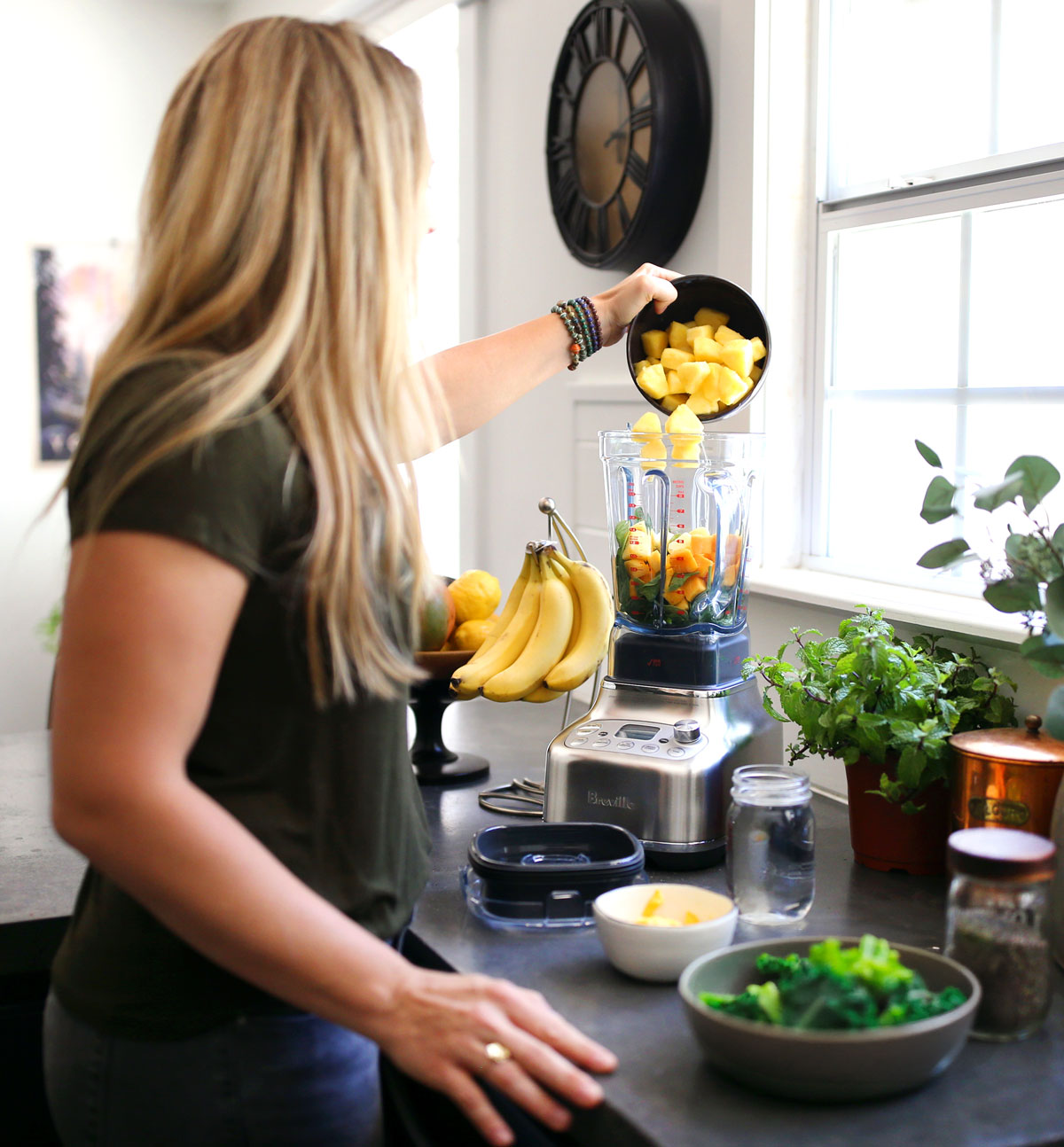
Jen Hansard in kitchen pouring a blended smoothie into a glass.

What makes a smoothie good for weight loss?

A weight-loss smoothie needs three things: 15–20g of protein, 8–10g of fiber, and no added sugar — ideally under 350 calories. Protein and fiber slow digestion so you stay full for hours, which matters more than any single “fat-burning” ingredient.

Why Smoothies Help You Lose Weight

Smoothies aren’t magic — they’re logistics. Every diet I tried as a new mom failed for the same reason: it required time, energy, and willpower I did not have at 6:45am. When the healthy option takes five minutes, requires zero cooking skill, and tastes like a treat, you actually stick with it. I started blending one every morning during my 21-Day Cleanse, and the habit stuck because it was easy — not because I suddenly found discipline. Here’s what smoothies genuinely do well:

  • Fiber keeps you full: Blend a variety of fruits (banana, strawberries, oranges) with leafy green vegetables (spinach, kale, chard) creates a high-fiber meal that digests slowly — no 10am raid of the snack cabinet.
  • Protein makes it a meal: plant-based protein and healthy fats turn a fruit drink into a true meal replacement that holds you 3–4 hours.
  • Built-in portion control: measuring ingredients into the blender means the portion decision happens once — before you’re hungry, tired, and negotiating with yourself.
  • They crowd out the junk: when you start the day nourished, you crave better food all day. The more good stuff goes in, the less room there is for Goldfish (ask me how I know).

15 Weight Loss Smoothie Recipes

Every recipe below lists its protein, fiber, and calories — start with the highest-protein ones if you’re replacing a meal, and the lighter ones for snacks. None of them require anything fancier than a blender and a grocery store. I can’t wait for you to see how doable this actually is.

A close-up of a vibrant purple cherry collagen smoothie
1

Cherry Collagen Smoothie

Sweet-tart cherries, lemon, spinach, and beets blend into a bright, refreshing smoothie with added protein from collagen peptides. It’s light yet satisfying—great for supporting recovery, fullness, and balanced nutrition without feeling heavy.
183 cal • 21g protein • 5g fiber
Get Recipe
Chia seed smoothie with oranges, pineapple and spinach.
2

Chia Seed Smoothie

This refreshing tropical smoothie blends orange and pineapple with fiber-rich chia seeds that help keep you full longer. The balance of natural sweetness and citrus zing makes it a satisfying, metabolism-friendly option when you want something light yet filling.
Get Recipe
3

Low-Calorie Zucchini Smoothie

Zucchini adds fiber and silky texture while keeping calories naturally low. It’s an easy way to bulk up your smoothie so you feel satisfied without adding extra sugar or heaviness.
Get Recipe
Top-down view of a mango smoothie garnished with an orange slice, mango chunks, and a paper straw.
4

Creamy Mango Smoothie

Sweet mango and orange blend with cashew milk, coconut yogurt, and turmeric for a smooth, nourishing drink. Naturally satisfying and gently anti-inflammatory, it’s a feel-good option when you want something creamy without heaviness.
Get Recipe
Chocolate peanut butter smoothie in two jars with straws.
5

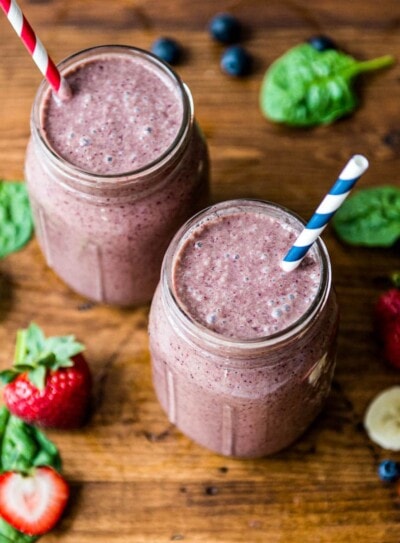
Chocolate Peanut Butter Smoothie

Chocolatey and satisfying, this smoothie pairs peanut butter’s protein and healthy fats with naturally sweet banana for lasting fullness. It tastes indulgent while helping curb cravings and keep energy steady.
Get Recipe
A vanilla matcha smoothie surrounded by fresh ingredients.
6

Vanilla Matcha Smoothie

This quick 5-minute smoothie blends matcha’s natural caffeine with protein and creamy vanilla flavor for a sweet, energizing drink. It supports focus, metabolism, and fullness—perfect when you want a light breakfast that still works hard for your goals.
Get Recipe
Meal replacement smoothie for weight loss.
7

Meal Replacement Smoothie

Packed with protein, fiber, oats, almond butter, banana, and low-sugar blueberries, this smoothie is built to keep hunger away for hours. It’s a balanced, grab-and-go meal that supports steady energy and helps prevent the snack attacks that can stall weight loss.
Get Recipe
Strawberry banana smoothie recipe in pint glass with straw.
8

Strawberry Banana Smoothie

Sweet strawberries and creamy banana blend with hidden cauliflower, fiber, and omega-3s for a luscious smoothie that feels like a treat. Balanced ingredients help keep you full and energized while supporting healthy weight-loss habits.
Get Recipe
Glass of blueberry smoothie on a woodcutting board surrounded by fresh blueberries.
9

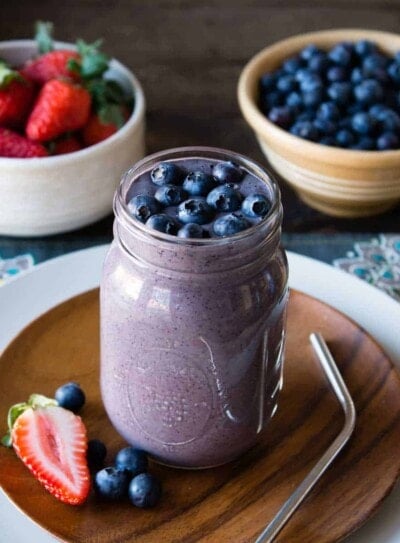
Healthy Blueberry Smoothie

This thick, creamy blueberry smoothie uses antioxidant-rich berries with cashew milk and yogurt for plant-based protein and healthy fats. With no added sugar and just four ingredients, it’s simple, satisfying, and supportive of balanced weight-loss habits.
Get Recipe
Jars of green smoothies.
10

Apple Celery Smoothie

This refreshing green smoothie combines lemon, green apple, celery, and ginger for a bright, clean flavor. Packed with fiber and naturally low in sugar, it’s a light, metabolism-supporting blend that feels like a wellness-retreat favorite.
Get Recipe
Glass of pink cherry vanilla diabetes smoothie topped with cherries.
11

Cherry Vanilla Smoothie

Creamy, lightly sweet, and rich in protein and fiber, this smoothie is designed to help support steady blood sugar. Balanced smoothies like this can help reduce energy crashes and keep hunger more predictable throughout the day.
Get Recipe
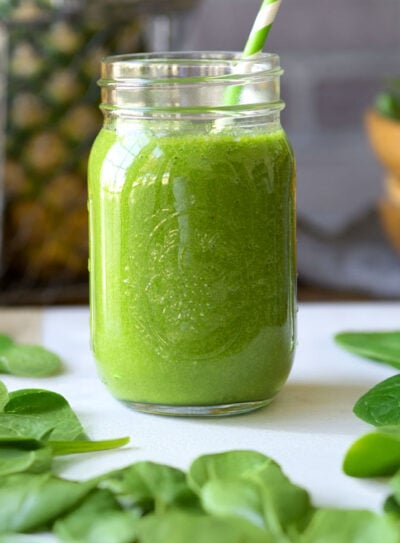
Green and white striped straw in a jar of green smoothie.
12

Best Green Smoothie

This reader-favorite green smoothie is loaded with leafy greens and naturally sweet fruit for a balanced, fiber-rich blend. Add protein powder to turn it into a satisfying weight-loss smoothie that fuels your body while helping you stay full and energized.
Get Recipe
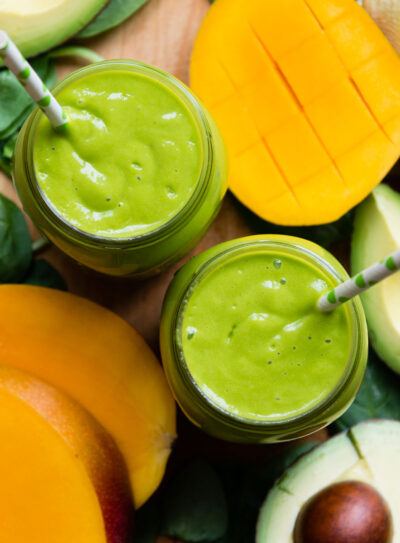
two glasses of avocado banana smoothie.
13

Avocado Banana Smoothie

This creamy blend combines spinach, mango, avocado, and protein for a perfectly balanced smoothie. With healthy fats, fiber, and about 29g of protein, it helps keep you full and energized—ideal for busy mornings or post-workout recovery.
Get Recipe
A pineapple ginger smoothie in glass jar with a straw.
14

Pineapple Ginger Smoothie

Naturally sweet pineapple pairs with fresh ginger for a bright smoothie that feels refreshing and energizing. Ginger adds a warming kick while fiber helps support fullness—great when you want something light but satisfying.
Get Recipe

Save this for Later!

Enter your info below and I’ll send this one straight to your inbox to have for later.
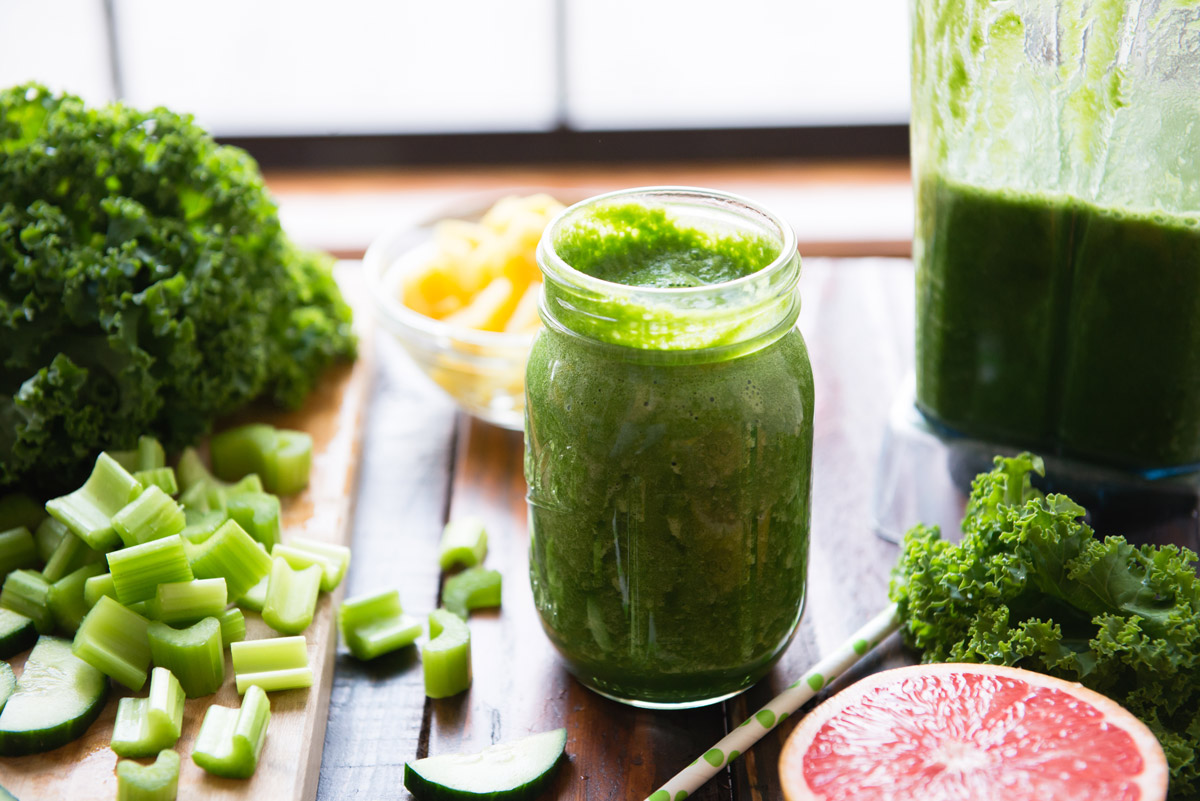
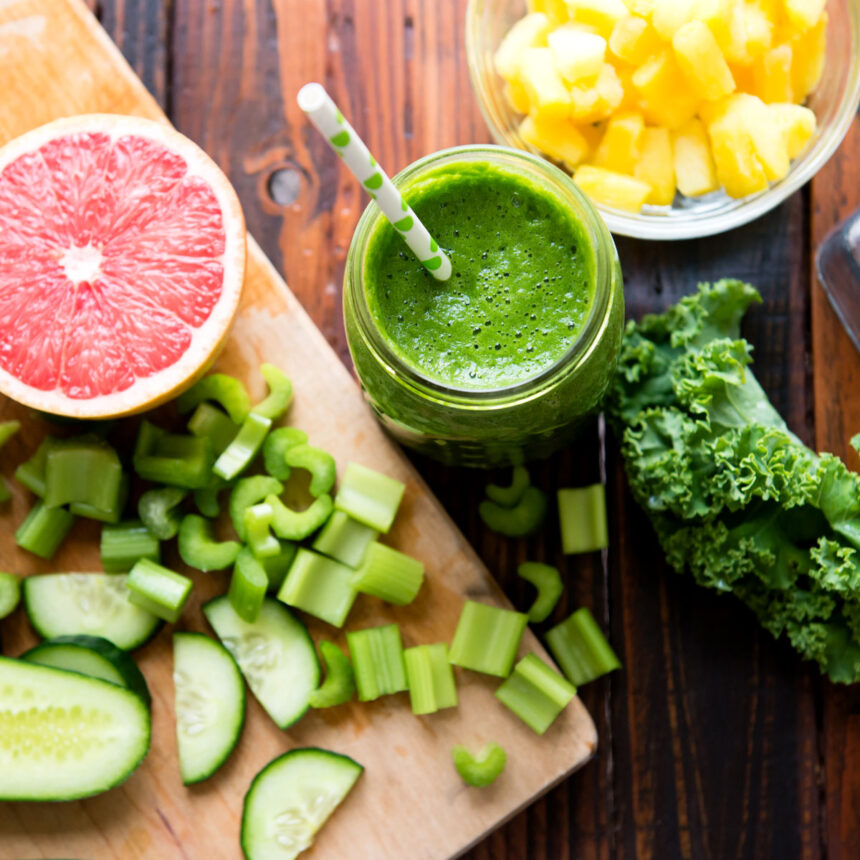
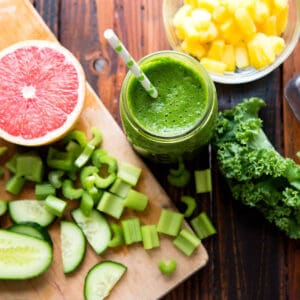
Celery and cucumber cut up next to grapefruit, pineapple and two glasses of smoothies for weight loss.

Fat-Burning Smoothie Combinations

You’ll see certain ingredients called “fat-burning” all over the internet. I’m not a scientist, so here’s my plain-English read after a decade in this world: the research on these foods shows small, real benefits — mostly around fullness and blood sugar — but nothing melts fat on its own, and anyone who tells you otherwise is selling something. I still use these combinations constantly, because they’re delicious and they make staying in a calorie deficit easier. For a busy mom, that’s the actual win.

  • Green apple + nut butter: apples bring pectin, a soluble fiber research links to feeling fuller; nut butter adds fats that keep you satisfied and support vitamin absorption.
  • Avocado + kale: creamy fat plus vitamins K and A — the combo that makes a green smoothie feel like a meal instead of a salad in a cup.
  • Green tea + grapefruit: a small study in the Journal of Medicinal Food found grapefruit eaters felt fuller and lost slightly more weight. Modest effect, tasty combo — blend grapefruit with chilled green tea and remove the grapefruit’s inner membrane to tame the bitterness.
  • Cacao + almonds: cacao’s flavanols are an active research area (including work published in BMJ) — and more importantly, chocolate that’s actually good for you makes a routine you’ll keep.
  • Oats + blueberries: oats are the fiber workhorse of this whole list. The blueberry belly-fat study you may have seen was done in rats — promising, not proof — but berries + oats is a fullness combo I’d bet on regardless.
Want to blend these like a pro (no chef skills required)? Here’s my guide on how to make a smoothie.

Jen Hansard blending weight loss smoothies in her kitchen on concrete countertop.

How to Make My #1 Weight-loss Smoothie

Of all the recipes I’ve created, this is the one I come back to: greens, fiber, and superfoods that curb my cravings and keep me energized until lunch. Five minutes, one blender — here’s how:

  1. Fill your blender with kale, cucumber, celery, chia seeds, grapefruit and chilled green tea.
  2. Puree until smooth.
  3. Add frozen pineapple. Remove the grapefruit’s inner membrane to cut bitterness — or swap in orange + lemon.
  4. Blend on high speed until combined (about 30 seconds).
  5. Add one serving protein powder and blend on low speed just to mix.
  6. Pour into a glass and serve chilled.
Jar of green smoothie surrounded by fruits and vegetables.
4.55 (260)

Fat-Burning Weight Loss Smoothie

Jen Hansard
This fat-burning smoothie for weight loss blends sweet pineapple with fiber-rich kale and celery to satisfy your tastebuds, promote fullness and boost your metabolism. This light yet filling smoothie can support weight loss efforts thanks to the low-calorie healthy ingredients.
Serves: 1
Prep Time: 3 minutes
Blend: 2 minutes
Total Time: 5 minutes

Video

Ingredients 

  • 1 cup kale
  • 1 cucumber chopped
  • 1 tablespoon chia seeds
  • ½ grapefruit peeled and seeded
  • 1 stalk celery chopped
  • ½ cup green tea chilled
  • 1 cup pineapple frozen
  • 1 serving whey protein isolate

Instructions 

  • Place kale, cucumber, chia seeds, grapefruit, celery and green tea into blender.
  • Puree on high-speed until smooth.
  • Add frozen pineapple to blender. Blend again on high-speed until everything is pureed.
  • Add one serving protein powder and blend on low.
  • Pour into a glass and enjoy!
Save this Recipe
Drop your email & I’ll send it to you.

Recipe Notes

  • On medication? Grapefruit interacts with some prescriptions — swap in orange or clementine
  • The pith and peel of the grapefruit are extremely bitter but are beneficial in small amounts. To lessen the bitterness of the grapefruit, remove the fruit from the inner membranes as well as peel before using.
  • Vegan? Swap whey protein with homemade protein powder or preferred powder.

Nutrition

Serving: 16 oz | Calories: 344 kcal | Carbohydrates: 49 g | Protein: 32 g | Fat: 5 g | Saturated Fat: 1 g | Polyunsaturated Fat: 3 g | Monounsaturated Fat: 0.4 g | Trans Fat: 0.02 g | Sodium: 213 mg | Potassium: 1067 mg | Fiber: 12 g | Sugar: 30 g | Vitamin A: 4068 IU | Vitamin C: 149 mg | Calcium: 317 mg | Iron: 3 mg

Dietary Adjustments & Substitutions

Need to swap an ingredient or accommodate a food allergy? Click the button below for tailored suggestions just for you:

On a GLP-1 medication? Smoothies fit right in

First: no judgment here — tools are tools, and I’m cheering for you however you get healthy. If you’re using Ozempic, Wegovy, Zepbound, or another GLP-1 medication, your care team has probably already told you to prioritize protein and fiber.

Smoothies are one of the easiest ways to do both when your appetite is small: start with the highest-protein recipes above, try an 8 oz portion instead of a full glass, and skip anything too rich on queasy days. Always follow your care team’s guidance first.

Common Questions

Are smoothies good for weight loss?

Yes — when a smoothie replaces a meal rather than adding to it. Aim for 15–20g of protein, 8–10g of fiber, no added sugar, and an unsweetened liquid base so it keeps you full like a real meal.

What can I put into a smoothie to lose weight?

Build it in five parts: leafy greens, a protein source (Greek yogurt, silken tofu, or plant protein), a fiber booster (chia, flax, or oats), whole fruit for sweetness, and unsweetened liquid. That formula keeps you full for hours — no exotic ingredients required.

What can I put into a smoothie to lose weight?

A good smoothie with protein, healthy fat, and whole-food carbs is a great combo for a healthy snack or meal that can promote weight loss. These weight-loss smoothies contain a variety of spinach, mint, celery, green tea, grapefruit, pineapple, and avocado.

What fruits burn belly fat?

Honestly? No single food burns belly fat — anyone who promises that is selling something. Grapefruit, pineapple, and berries earn their reputation because they’re lower in calories and high in fiber and water, which makes eating fewer calories a whole lot easier. Blend them with greens in a quality smoothie blender and enjoy.

Can I lose weight by drinking smoothies every day?

Consistency is the whole game, and a daily meal-replacement smoothie is one of the easiest habits for a busy person to keep. Swap it for your most snack-prone meal — for most of us that’s breakfast — and give it a few weeks.

Which is better for weight loss: smoothies or juicing?

Juicing and blending can both help with weight loss, yet only one is sustainable for the long run: smoothies. We believe committing to drinking 1-2 fat-burning smoothies as a meal replacement is the most effective way to hit your weight loss goals and maintain them for life.

Are fruit smoothies good for weight loss?

Yes, fruit smoothies can be great for weight loss when made with whole fruits instead of fruit juices. Whole fruits contain fiber, which helps slow digestion, keeps you full longer, and prevents blood sugar spikes. In contrast, fruit juices strip away fiber, leaving mostly sugar, which can lead to energy crashes and increased hunger. For a weight-loss-friendly smoothie, use whole fruits, balance with protein and healthy fats, and avoid added sugars.

What smoothies are good for weight loss?

Smoothies that support weight loss are packed with fiber, healthy fats, and metabolism-boosting ingredients. Look for recipes with whole fruits, leafy greens, protein, and ingredients like green tea, grapefruit, and avocado to help burn fat and keep you full. Avoid added sugars and fruit juices, which can spike blood sugar and lead to cravings. Check out my #1 fat-burning smoothie recipe below for a delicious, weight-loss-friendly option!

Can I make this without grapefruit?

Absolutely — swap in orange, clementine, or tangerine and it’s just as delicious. This is an important one: several medications (including some statins and blood pressure meds) don’t mix with grapefruit, so if your pharmacist has flagged it, skip it without a second thought. The fiber and protein are doing the heavy lifting in this smoothie anyway — no single ingredient makes or breaks it.

Why am I not losing weight with smoothies?

Usually one of three things: the smoothie is added on top of meals instead of replacing one, it’s fruit-heavy with little protein, or portions crept up (nut butter counts — I learned that one the hard way). Compare what you’re blending against the gram labels on the recipes above.

How much protein should a weight-loss smoothie have?

At least 15–20g, and 25–30g if it’s a full meal replacement. Greek yogurt, cottage cheese, kefir, and silken tofu get you there without protein powder.

Are smoothies okay on Ozempic or other weight-loss medications?

Generally yes — small, protein-and-fiber-dense smoothies suit reduced appetites well, and the fiber helps with the constipation many GLP-1 users experience. Your health care team’s guidance comes first; see the GLP-1 section above for how to adapt the recipes.

Related Posts

About the Author

Jen Hansard

I’m the mom who swapped Lucky Charms for green smoothies— and never looked back. Here you’ll find smoothie recipes and plant-based recipes made simple and tasty.

4.55 from 260 votes (70 ratings without comment)

Leave a Comment

Your email address will not be published. Required fields are marked *

Rate it


Comments

  1. I will be making this not happy with my weight: 171 lbs! Mostly in my stomach thanks for the recipe

    1. Hey Kath, if you’re referring to the green tea, one cup of liquid = 8 fluid ounces or 250 milliliters. One cup of leafy greens = 30 grams or 1 ounce. One cup of fruit = 250 milliliters and the weight in grams will vary depending on the type of fruit. For more info, check out our conversion guide: Rawkstar Conversion Guide. Happy blending! 🙂

  2. I would love to try this smoothie , I love grapefruit, however because of some medicine I’m on, they say I’m not supposed to eat grapefruit. Any ideas.?

    1. Christine, you can replace the grapefruit with any other citrus fruit of your choice. I like to use clementines, oranges, or tangerines. 🙂

  3. What can I substitute for grapefruit – people on certain medications can’t have grapefruit!

    1. Pam, you can sub any other citrus fruit of your choice. I like to use clementines, oranges, or tangerines.