

This post may contain affiliate links.
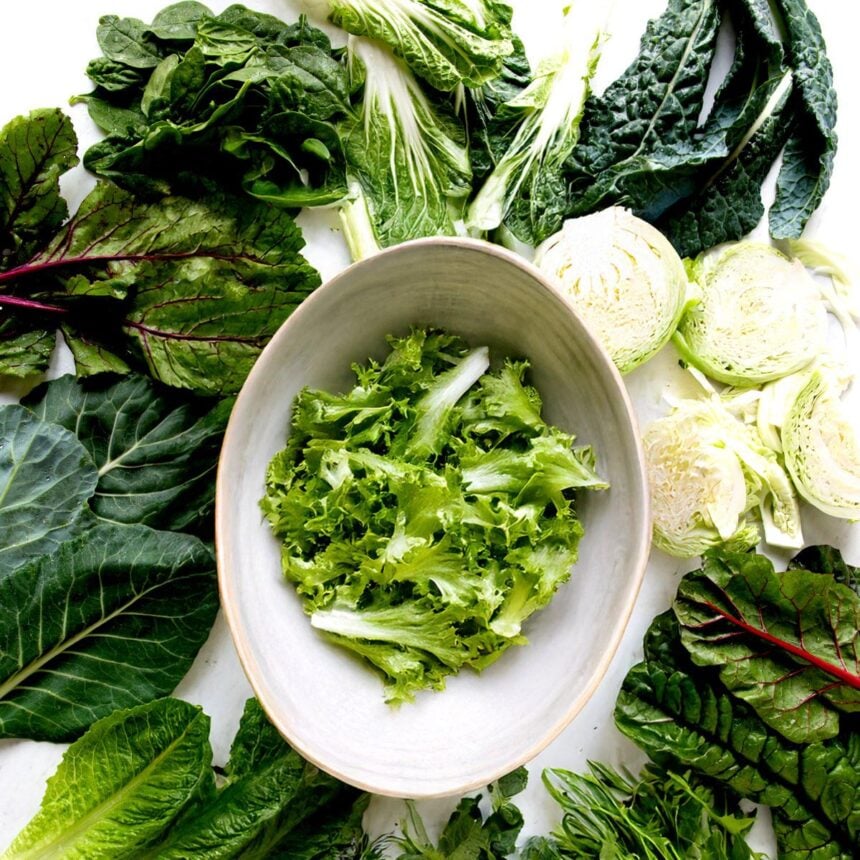
I started my love affair of leafy green vegetables by blending baby spinach into my smoothies. Packed with vitamins, minerals, and antioxidants, leafy greens offer a wealth of health benefits and surprising versatility in the kitchen.
Over time, I started to crave more leafy greens and added them to stir-fries, soup recipes and then green smoothies. Now, it’s time to look beyond the bowl and discover the exciting world of cooking and blending with leafy greens.
Table of Contents
Health Benefits of Leafy Green Vegetables
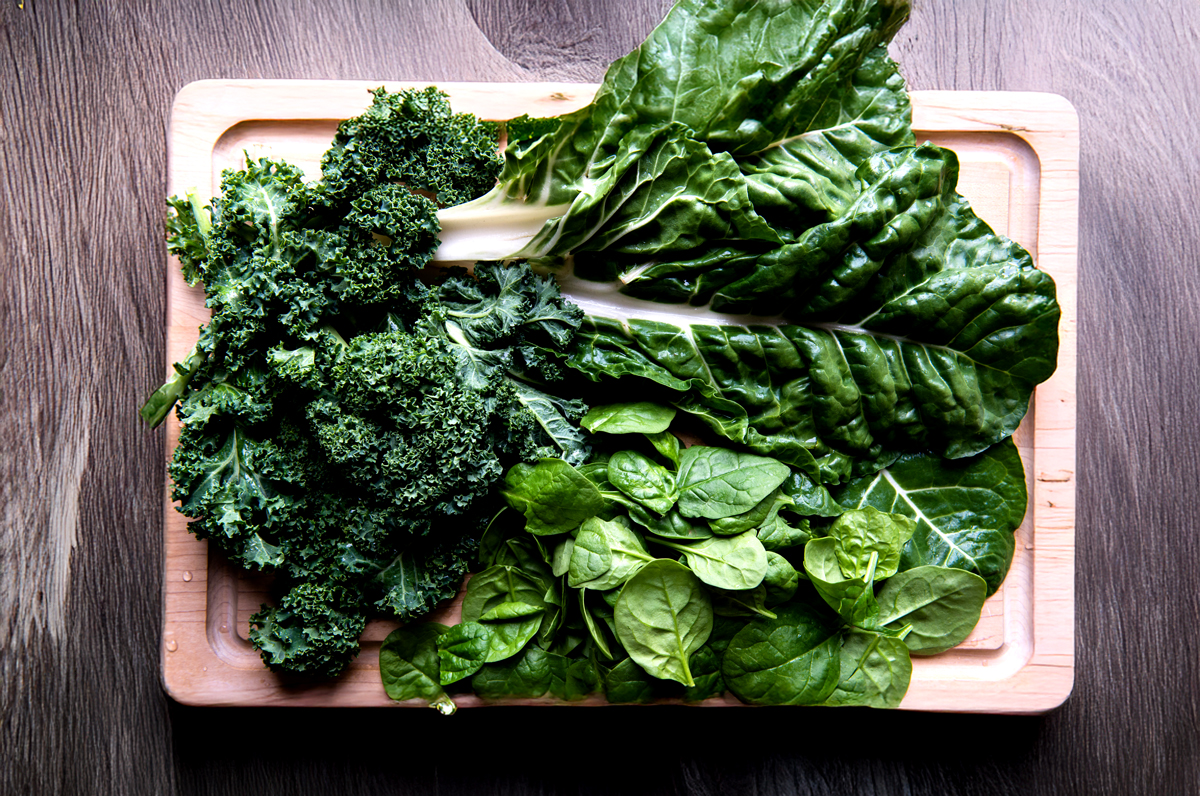
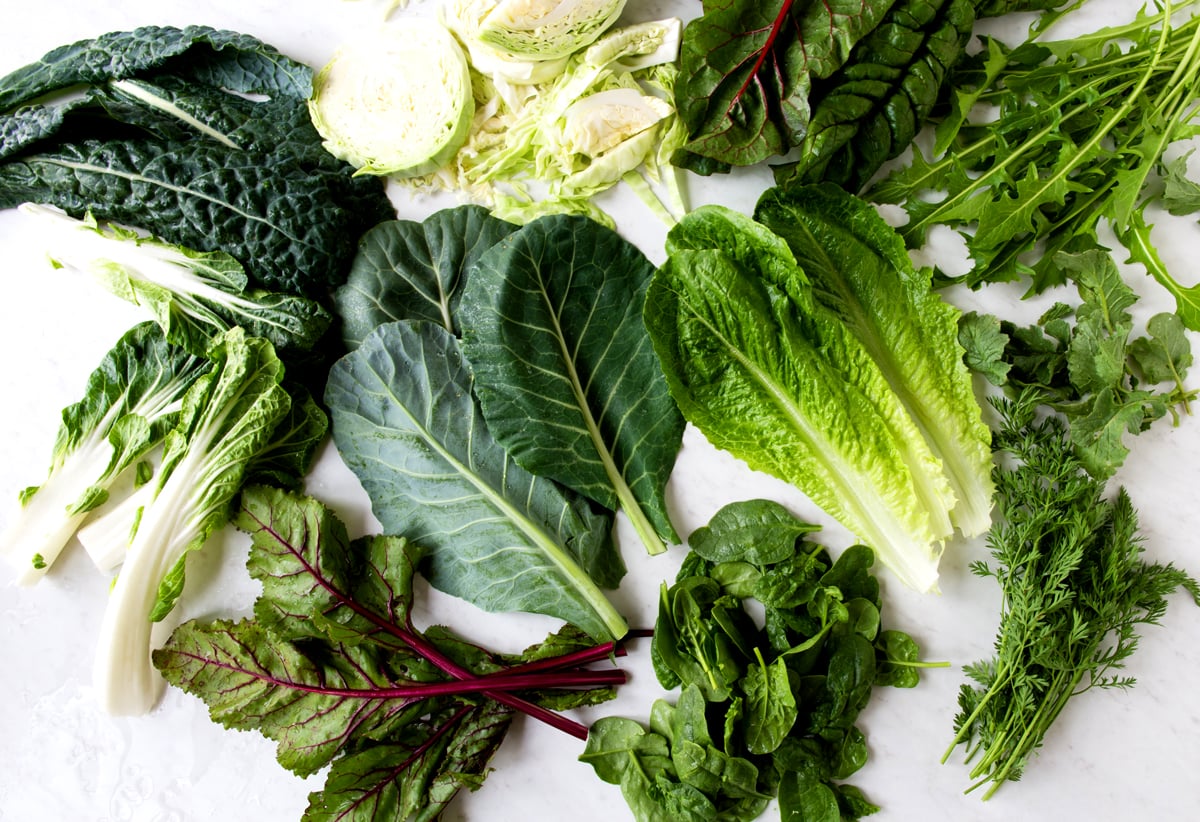
Leafy greens are super important for a healthy diet. They’re nutrient-dense, green veggies that provide tons of vitamins and minerals. According to a report in the journal Neurology, a daily serving of leafy greens can lead to slower age-related cognitive decline. The term “leafy greens” encompasses a wide array of edible leaves, each with its unique flavor profile and texture. Getting familiar with the leafy green varieties is the first step to unlocking their culinary potential.
Spinach
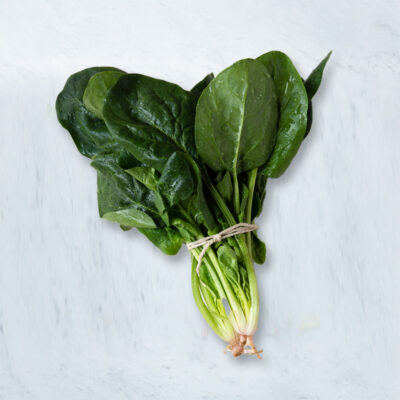
Mild & slightly sweet
Spinach is a nutritional powerhouse, packed with vital vitamins (K, A, C), folate, and iron, crucial for bone health, vision, immunity, cell growth, and red blood cell production. Its high antioxidant content and plant compounds may also lower the risk of chronic diseases, making it a valuable addition to a healthy diet.
Kale
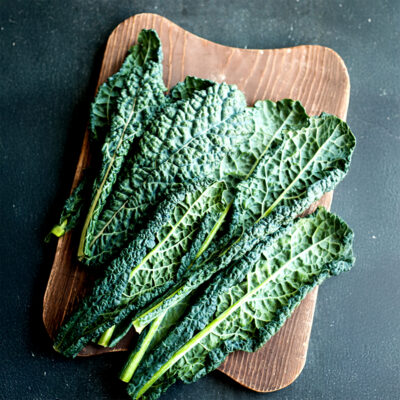
Hearty & slightly bitter
Kale has different varieties like curly kale, Lacinato (dinosaur) kale, and baby kale offer varying textures. With 684% of the recommended daily value of vitamin K, 206% of the RDV of vitamin A and 134% of the RDV of vitamin C, this dark leafy green packs a health punch.

Lettuce (Romaine, Butter, Iceberg)
Mild & slightly sweet
Primarily used raw for salads and wraps, some firmer varieties like romaine can be lightly grilled or braised. Romaine lettuce is high in fiber and low in calories. The vitamin C and beta-carotene content help to lower cholesterol and prevent build-up on artery walls, which reduces the risk of a heart attack.
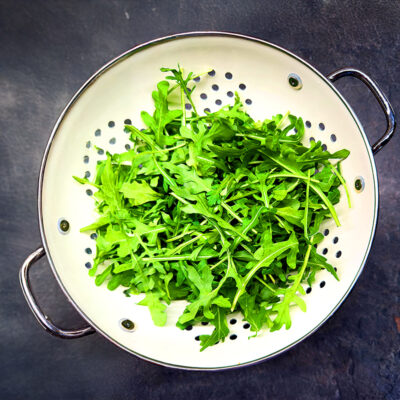
Arugula (Rocket)
Peppery & slightly bitter
Arugula adds a zesty kick to salads and cooked dishes. More than just a garnish, one cup of this leafy green contains 27.7% of the RDV of vitamin K. Tastes best on top of pizza, in a salad or sandwich. I don’t recommend making smoothies with it.
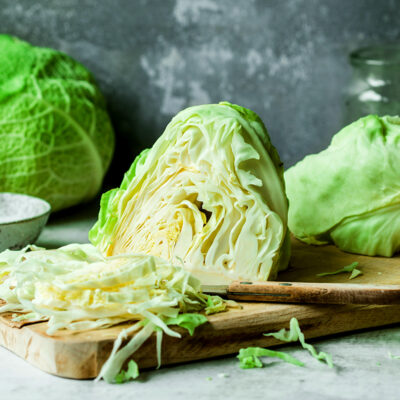
Cabbage
Hearty & pungent
This leafy green can actually be purple, red, white or green, but is definitely still considered a leafy green. I love using cabbage as a plant-based taco shell, blended in a smoothie or roasted cabbage wedges with light seasoning. Loaded with fiber, folate, vitamin B6 and antioxidants which help fight inflammation.
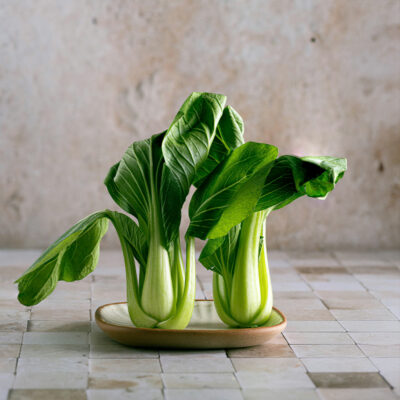
Bok Choy
Mild & slightly sweet
Bok choy is excellent stir-fried, steamed, or added to soups. Full of vitamins A and C, bok choy ranks high for nutrient density as well. All parts of the plant can be used: shredded in a salad, my vegetarian ramen, cooked in soup or blended in a smoothie.
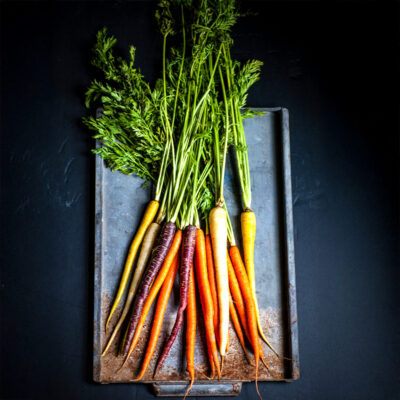
Carrot Greens
Herbaceous & slightly bitter
Carrot tops offer surprising nutrition, providing vitamin K for blood clotting and bones, vitamin C for immunity, and potassium for blood pressure regulation. Their phytonutrients also offer potential anti-inflammatory and antioxidant benefits, making them a worthwhile to smoothies or even pesto!
Beet Greens
Slightly earthy
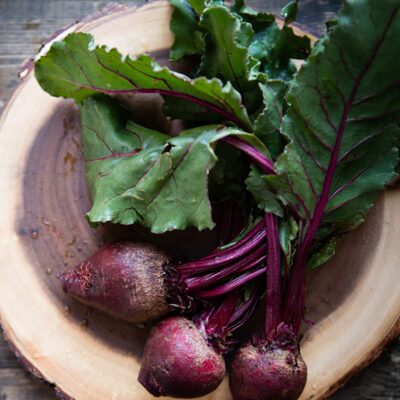
Beet tops are a nutritious leafy green, rich in vitamins K and A, vital for blood clotting, bone health, vision, and immunity. High in phytonutrients, including betalains, beet greens have anti-inflammatory benefits. When blending smoothies with beets, wash and blend in the beet greens.
Collard Greens
Tough & slightly bitter
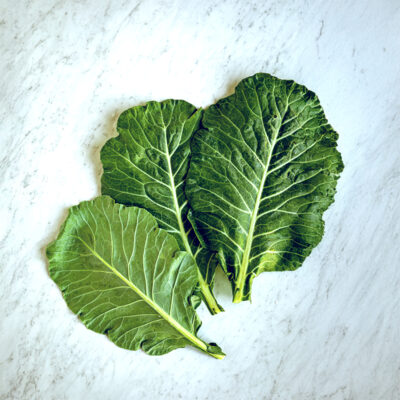
Collard greens benefit from long cooking times. Like their other cruciferous family members, collard greens are great cancer fighters. They are also pretty good at helping your body digest foods properly with all the fiber inside. They are most popular steamed, but adding them raw to your smoothies will provide greater health benefits.
Swiss Chard
Mild & slightly earthy
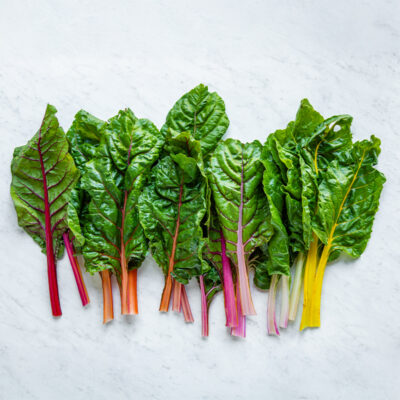
Mild and slightly earthy with colorful stems that are also edible, Swiss chard is a beautiful and nutritious addition to many dishes. Chard is a colorful, dark leaf known for its ability to regulate the body’s blood sugar. Translation? If diabetes or maintaining blood sugar levels is a concern, add this veggie to your regular rotation.
5 Ways to Use Leafy Greens
Ready to move beyond the traditional salad? Here are some inspiring ways to incorporate more leafy greens into your daily meals:
- Sautéed and stir-fried: Spinach, baby kale, and Swiss chard wilt beautifully in a hot pan with a little olive oil, garlic, and a pinch of salt and pepper. A squeeze of lemon adds brightness. Heartier greens like kale, mustard greens, and bok choy hold up well in stir-fries. Add them towards the end of cooking to maintain some texture and vibrant color. Pair them with your favorite proteins, vegetables, and sauces.
- Soups for warmth and nutrition: Stir in chopped spinach, kale, or Swiss chard during the last few minutes of cooking vegetable soup recipes. They will wilt down and add a boost of nutrients and a touch of freshness. Blend cooked greens like spinach or kale with broth, sautéed onions, and a touch of cream or coconut milk for a smooth and nutritious soup.
- Baked delights with a green twist: Incorporate chopped leafy greens into egg-based dishes like quiches and frittatas. They add color, flavor, and valuable nutrients. Layer sautéed greens into pasta bakes and lasagnas for an extra dose of vegetables. They blend seamlessly with the other ingredients. Add finely chopped cooked greens to roasted root vegetables, or use them as a filling for savory pastries and dumplings.
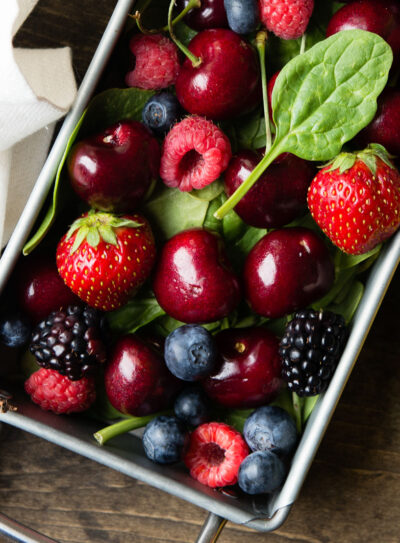
- Blended goodness in smoothies: Don’t be afraid to toss a handful of spinach or kale into your breakfast smoothies. The flavor is surprisingly mild when combined with fruits, yogurt, and other ingredients.
- Creative raw preparations: While not technically a recipe, juicing leafy greens is a great way to consume a concentrated amount of nutrients. Blend arugula, spinach, or kale with nuts, garlic, olive oil, and lemon juice for a vibrant and flavorful pesto. You can also layer large lettuce leaves like romaine or butter lettuce to create healthy and delicious Thai lettuce wraps and sandwiches.
Freezing Your Leafy Greens
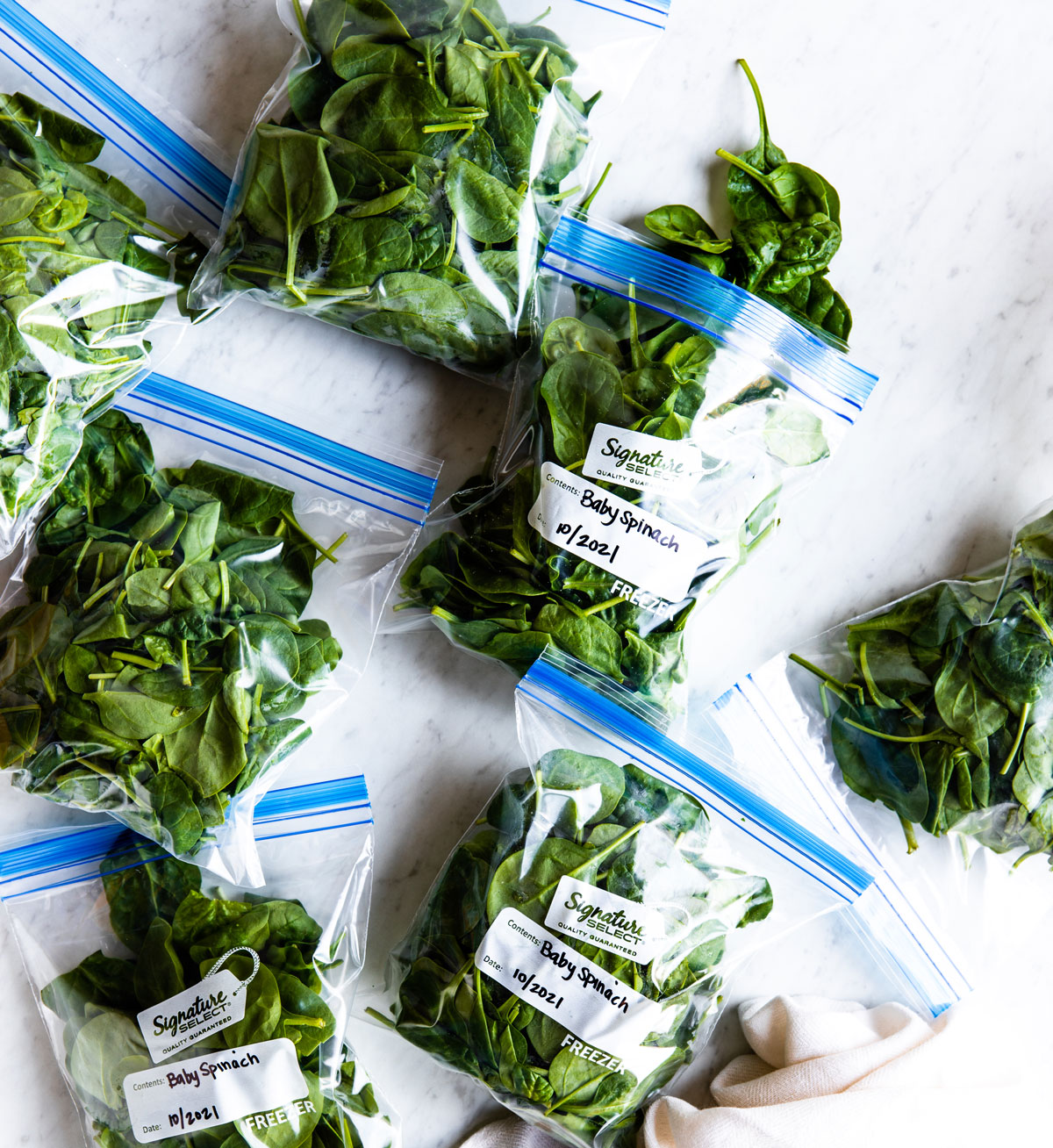
Ever wonder how to use up all the beautiful leafy greens you just bought, before they start to wilt? Even though I make green smoothies daily, I sometimes need to freeze my spinach or kale to stay fresh longer.
To lengthen the shelf life of leafy greens and make rotating your greens as easy as opening your freezer, try freezing your spinach or freezing kale. I buy spinach and power greens at Costco— freezing half of it maximizes the freshness.
Benefits of Rotating Leafy Greens
I often talk about rotating your greens when making green smoothies. This is because leafy greens come from all different plant families, each offering different health benefits. Yet if spinach is your jam, no worries! Keep doing that. You can always have a salad with kale or make a soup with Swiss chard.
Tips for Cooking with Leafy Green Vegetables
Leafy greens are more than just a salad component. Their versatility and nutritional benefits make them a valuable addition to any healthy diet. By exploring different cooking methods and incorporating them into a variety of dishes, you can unlock a world of flavor and boost your well-being. So, step away from the salad bowl and embrace the green revolution in your kitchen!
- Experiment! Don’t be afraid to try different combinations and cooking methods to discover your favorite ways to enjoy leafy greens.
- Wash thoroughly: Always wash leafy greens thoroughly under cold running water to remove any dirt or grit. A salad spinner can be helpful for drying them.
- Remove tough stems: For heartier greens like kale and collards, remove the tough central stems before cooking.
- Don’t overcook: Most leafy greens cook quickly. Overcooking can make them mushy and reduce their nutritional value.
- Balance flavors: The bitterness of some greens can be balanced with acidic ingredients like lemon juice or vinegar, or by pairing them with sweeter or richer flavors.
Common Questions
You’ve probably heard of spinach, kale and lettuce, but leafy greens also include carrot tops, beet greens, swiss chard, arugula and more! They can grow all on their own, or be found on the tops of other plants (like broccoli, beets and carrots).
All leafy greens are incredibly nutritious and great to mix into your diet. Kale and spinach are probably the most nutrient-dense, yet you need a variety of greens (and other fruits and vegetables) for the best health. Don’t be afraid to give a new one a try next time you’re at the store. You might be surprised by mustard greens, bok choy and more!
Greens don’t just take place in salads or garnishes for burgers. You can use them in green smoothies, all kinds of pesto, filling for stuffed mushrooms or potatoes. Pretty much anything you want! Next time you are grocery shopping, grab a new-to-you leafy green and get adventurous with how you prepare it.














Hi, in my garden i have lots of lush bay leaves, young ones.
any comments on using them in a smoothie?
i like to try use what is already growing in my garden.
i also had a parsley and banana smoothie this morning, nice. got loads in the vegetable plot.
i have also picked some mature strawberry leaves, and use them sparingly.
all frozen in singly portion bags, as i am in my pyjamas in the morning … lol
Good morning!
Here is an article on how we enjoy our herbs.
https://simplegreensmoothies.com/fresh-herbs
Keep on growing!
I never even thought about eating the strawberry leaves! Do you use them sparingly because they are stong flavored?
Hey Tammy!
You can start with a few and see how that works, if you would like. 🙂
First, I would like to say that I’m on day 7 of the green smoothie challenge and I am amazed at how energized I feel! I’ve pretty much cut out my caffeine, drinking more water and having a smoothie every morning and maybe in the afternoon for a snack. I’m not dragging during the day even after chasing a toddler around.
That being said, I tried the piña colada smoothie today. I didn’t have any spinach on hand, plus had been eating it for the past week, so in order to “rotate” I bought arugula. Not loving it, but still got it down. I could eat spinach every day! But if I need to rotate, what would be the best leafy green with a mild taste like spinach? Romaine, I’m guessing? How do you feel about a spring mix?
Thanks!!!
Have you tried Baby Kale, ESR?
I might give it a try again but I thought I’d had it before and didn’t like it. Maybe it was just kale??? Anyway, went to the store again today and bought more spinach and some romaine. I tried the melon berry smoothie today and added unsalted almond butter for protein. Loved it. I’ve even managed to talk my hubby into letting me make one for him for breakfast tomorrow!
Awesome ESR! Maybe try baby kale, it is a lot more mild than full grown kale. 🙂
Great suggestion on using baby kale! Do you know if baby kale has the same level of nutrients as full grown kale?
I am not completely sure, Dave. Full grown or baby Kale will have great nutrients either way, one might have a little more. 🙂
So if I eat all from one family, eg spinach, then beet greens, then spinach, etc. is that not considered rotating? Just making sure I’m following.
Good questions Sarah. Following.
Hi Sarah! That is correct. Try eating from different families of leafy greens. i.e. APIACEAE, ASTERACEAE, CRUCIFERS
Hope that helps. 🙂
Like the article. I started to eat much more healthy since last week. I eat 3 cups of veggies for lunch, about 2 green, green beans and broccoli or baby marrow. And one cup of carrot or yams. For dinner I will eat half of my plate with mixed leafy greens, and small piece of meat. But I read on the internet that spinach and kale block the absorption of calsium 🙁 Now I don’t know if it’s such a good thing to eat so much spinach and kale every day.
Hi Christi!
Spinach and kale are great for your body. Could you give us the link where you read that they block calcium? We don’t normally eat leafy greens with EVERY meal, but they are great to have for one to two meals a day!
Don’t believe that, Kale & spinach does not block the absorption of calcium or anything else for that matter. Don’t let anyone especially the medical industry or pharmaceutical companies stop you from eating greens or any veggies & fruits because, they keep making up rumors so people will stop eating healthy & start getting sick & then whats next? Purchasing there killer Prescription Medicines. Don’t believe the hype because they will say anything to make a sell. All Veggies,Fruit’s, nut’s & seeds aka(plant based diet) are the healthiest things on earth to eat & do not let anyone stop you from feeding your body healthy food like all veggies,fruit’s, nut’s & seeds. A plant based diet is the healthiest diet for any & every one’s body no matter what anyone lie’s & says. Do not believe them because all they want is for all of us to get sick, so they can sell us more & more killer prescription drugs &as far as I’m concerned they can keep all of there processed foods (Lab Foods), lab made drugs out of my body. Let thy food, be thy medicine. Eat to live, not live to eat people.
False, kale is one of the best sources of calcium available, aside from oranges, arugula (rocket) and sea vegetables. On the other hand, meat and other animal products strip you body of calcium to neutralise the acidic phosphorus and sulphur found in them.
Vicky, a balanced diet is what is important. Excessive protein intake will create excessive ash that needs to be neutralized, i.e., leeching calcium from bone. This does not happen with a balanced diet that can well include animal products. A good source I used for my masters in Nutrition program was Krause’s Food and Nutrition Therapy and Devlin’s Biochemistry texts.
Thanks for sharing Liz.
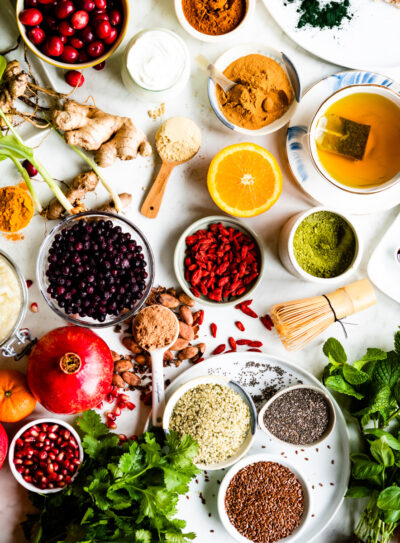
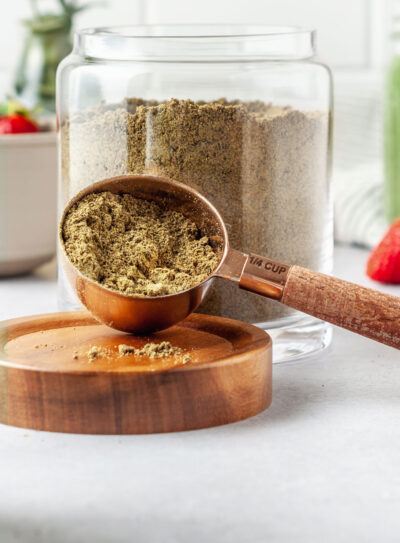
Hi Ladies, I’m a lazy and busy person so I find it easier on weekends to buy different leafy veggies (my reg. choices are kale, swiss chard, romaine & spinach) & fruit. I clean, chop up, & mix (all leaves together) and I do the same with fruit in another container. I then take small bags, place a mix of fruit, ginger, turmeric; then leafy vegetables in them and freeze. Every morning I take out a small bag from the freezer and place in blender along with goji berries, chia and/or hemp, I have enough to start and end my day, each day. Should I rethink my practice of mixing?
Hi ck!
It sounds like you have a good system down. I might recommend keep the different types of leafy greens separate instead of mixing them all, but that’s about it 🙂
You don’t sound lazy to me! 🙂