

This post may contain affiliate links.
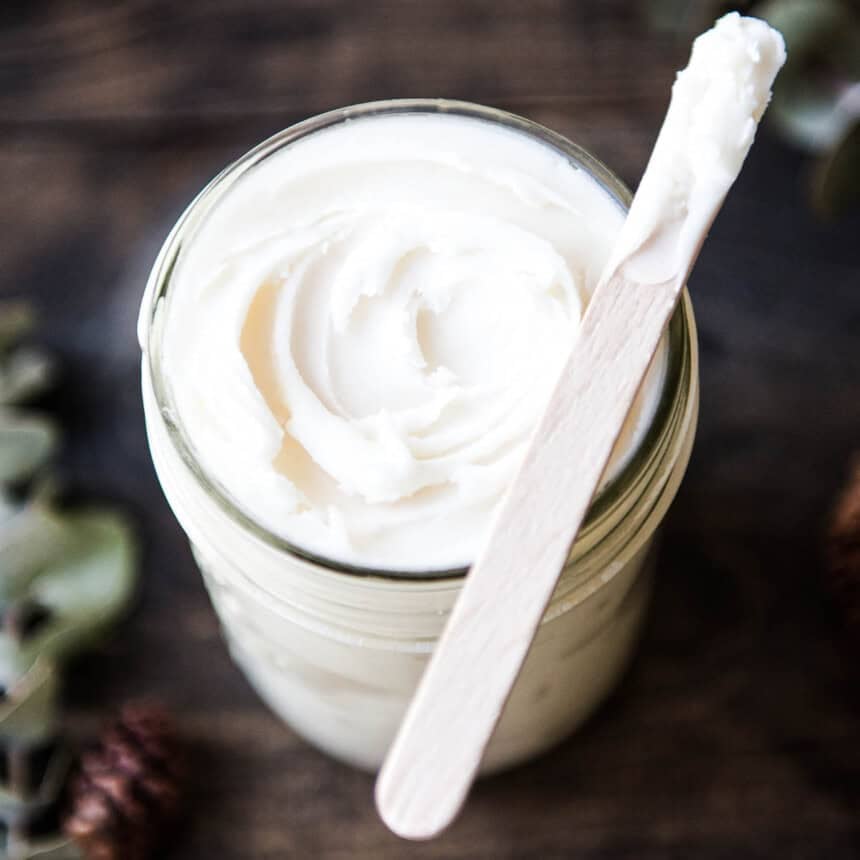
I’ve used countless store-bought natural deodorants, and they always leave me stinky and sweaty. In 2011, I decided to make my own homemade deodorant recipe. After a few tweaks, I have created the best natural diy recipe that smells great, works wonders and I’ve used for 13 years now. I’ve shared this recipe with thousands of others— and I can’t wait for you to join my diy deodorant party.
Table of Contents
Why I Use Natural Deodorant
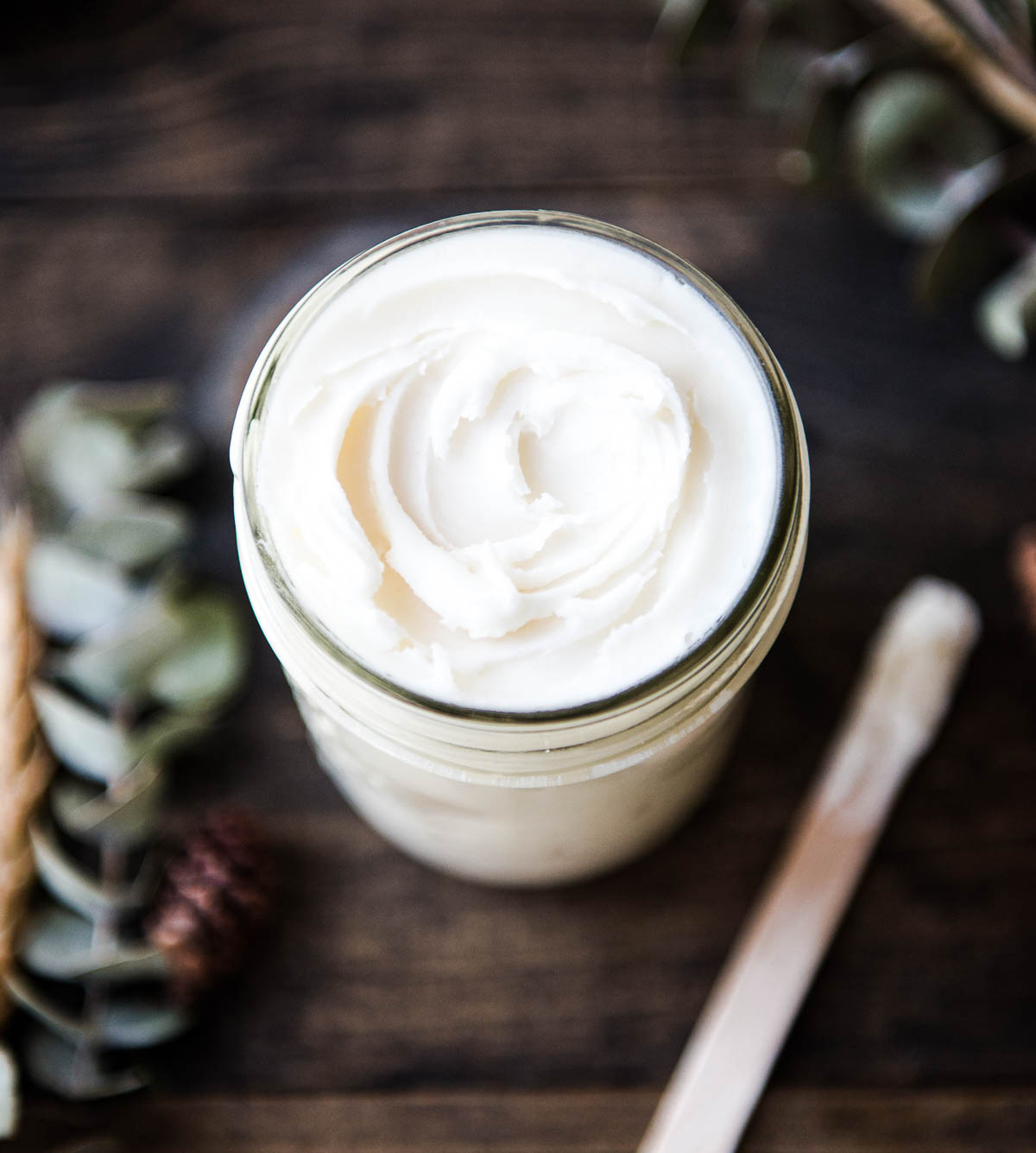
Making your own deodorant saves money, is healthier for your body, and actually stops sweating and body odor. Seriously, jump on this bandwagon ASAP!
In 2011, I went on a journey and started making natural cold and flu remedies like ginger lemon honey tea, elderberry syrup, diy lip scrubs, and even went 10 days without shampoo (I don’t recommend that last one).
It was during this time that I began questioning all the things I was putting in and on my body.
Most store-bought deodorants contain chemicals like parabens and aluminum, which I wanted to avoid. Why use those when you can create the best natural deodorants with safer, more effective active ingredients? Even newer products with labels like organic deodorant often include ambiguous ingredients like “fragrance.”
To me, that’s reason enough to ditch commercial deodorants and make my own. I’ve been using the same recipe for over 13 years now, and I absolutely love it and use it every day. The only thing I change up is the essential oils I use, depending on what scent I feel like that season.
Save this Recipe
Enter your email & I’ll send it to you!
The Best Natural Deodorant Recipe
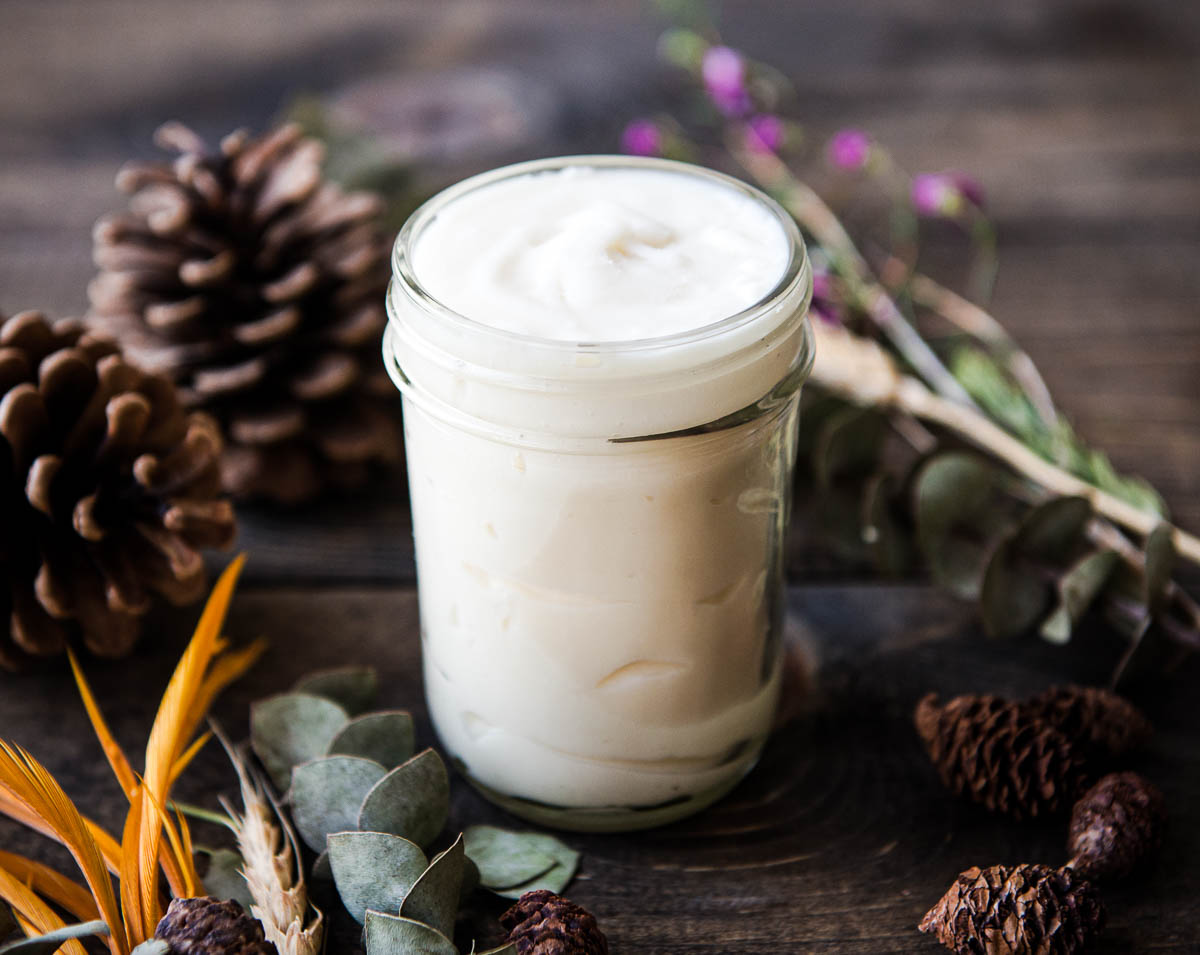
No joke—you can put this deodorant on at 5AM, run a few miles, blend the world’s Best Green Smoothie, throw on some work clothes, work an 8-hour shift and come home smelling good.
At first, my husband and I were baffled by how well this DIY deodorant worked. We would smell each other’s armpits just to brag. Then we decided to push the boundaries and slathered it on before a long day of helping friends move. We sweated all day and still came home smelling good!
It’s important to note that this is not an antiperspirant deodorant. We are meant to sweat, it’s natural. The harmful chemicals in conventional deodorants to stop the body’s natural need to sweat is not something I want to use (and you prob don’t either).
Ingredients You’ll Need
You only need four ingredients to make your own all-natural deodorant. Chances are you probably have at least half of them already. You can buy arrowroot powder in the baking section of most natural food stores or online.
- Baking soda: Absorbs moisture to keep you dry and helps neutralize odor (feel free to use less if you’ve got sensitive skin and notice irritation in your underarm area). Opt for aluminum-free baking soda, as it’s gentler and free from unnecessary additives.
- Non-GMO arrowroot powder: A better choice than traditional cornstarch, arrowroot powder helps absorb moisture to keep you dry. You can easily find it in health food stores or online.
- Organic unrefined coconut oil: Provides a moisturizing base and has natural antibacterial properties that help combat odor-causing bacteria. You can find this in most grocery or health food stores.
- Essential oils: Grapefruit oil, tea tree oil, spruce oil, and sweet orange oil are my favorites for their refreshing scents and antibacterial properties. They add fragrance while also helping to fight odor naturally.
Can I Swap Out Ingredients?
Click the button below for tailored suggestions just for you:
How to Make Homemade Deodorant
This DIY deodorant recipe is super quick to whip up with just four ingredients. If you’ve ever wondered how to make deodorant at home, don’t worry—I’ve got you covered! Just follow these 4 simple steps:
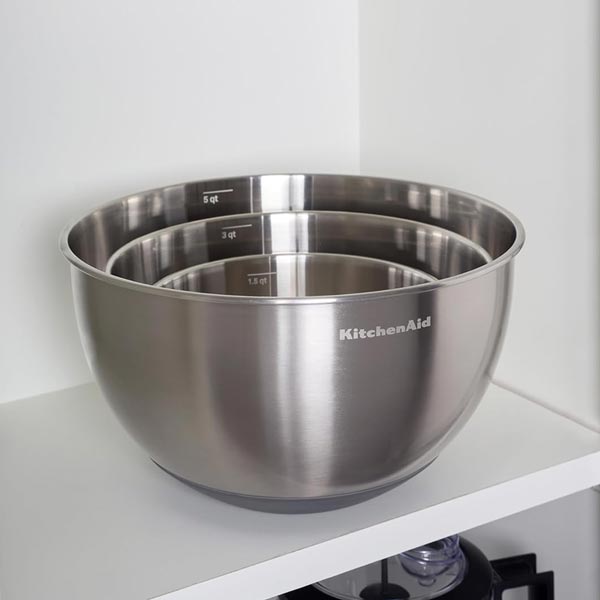
- Mix the arrowroot powder and baking soda together. I use my Kitchenaid Stand Mixer.
- Add the coconut oil and your favorite essential oils, like grapefruit or tea tree, to the mixture. You can adjust the consistency by adding more coconut oil if needed.
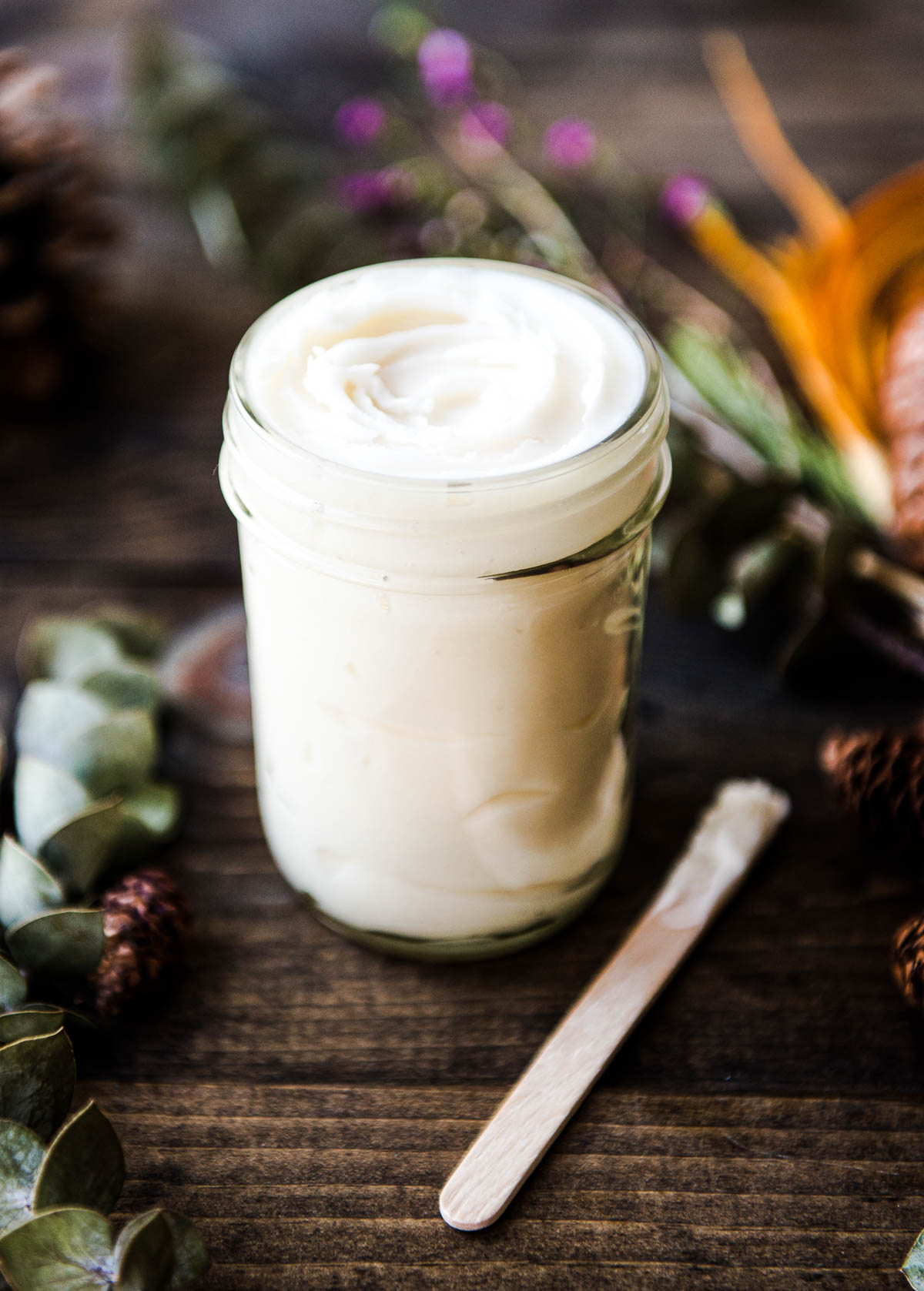
- Pour into a small glass jar (I like pint-size mason jar) and store at room temperature. Homemade deodorant will last up to two years in an airtight container.
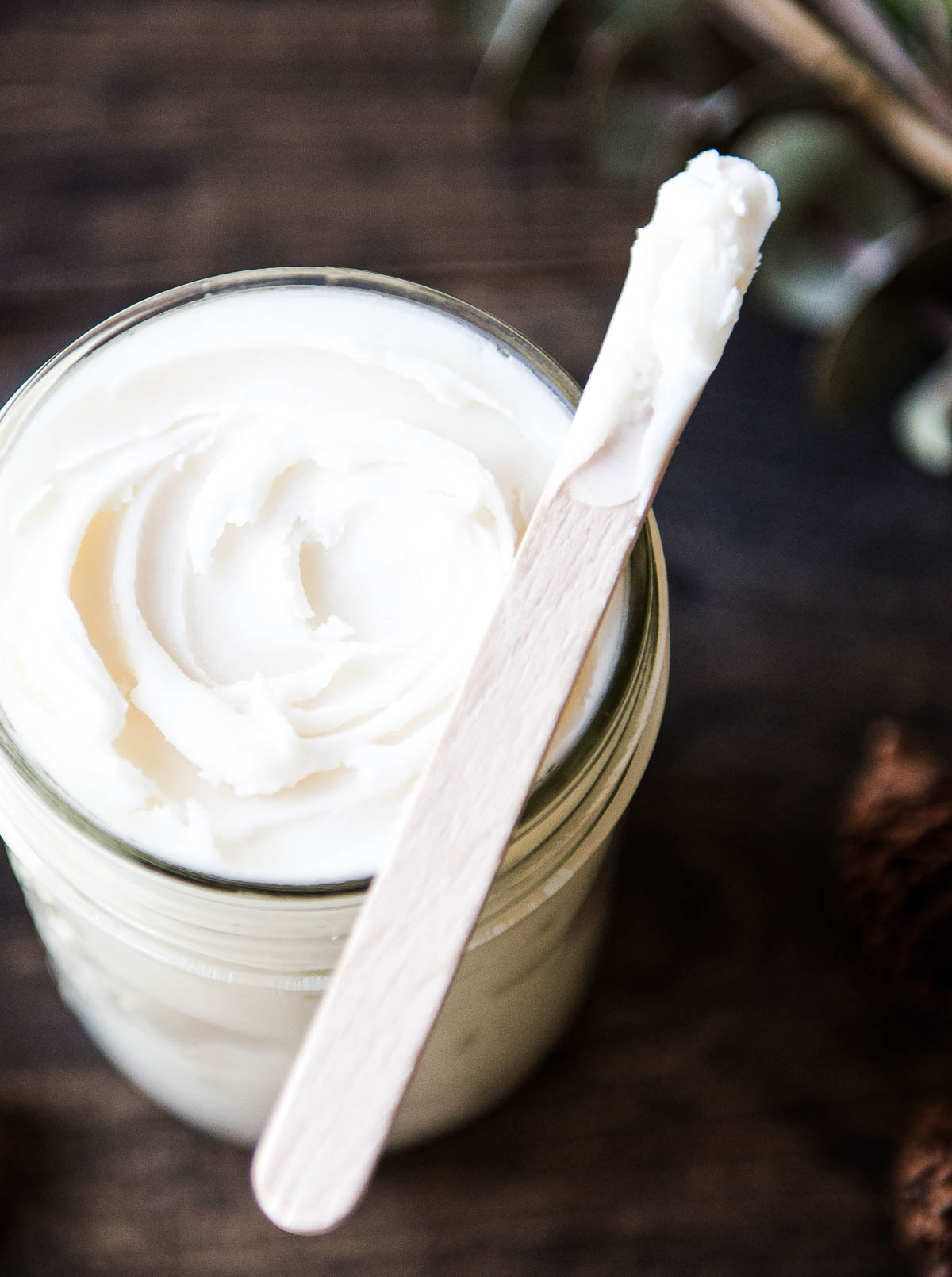
- Use a popsicle stick to get the deodorant out of the container and transfer to your finger. Make sure you use enough under your arms to keep you “sure” all day long. A pea-size amount is usually good.
Application Tip
If you’d prefer to have it in a traditional “stick form,” melt 1 tbsp of beeswax and 1 tbsp of shea butter right into the recipe. Pour into a reusable deodorant containers and store in refrigerator until solid.

10-Day Smoothie Reset
Get a simple, step-by-step plan with 10 tasty recipes to make a smoothie habit stick — without stressing about what to buy, prep, or blend next.
Tips for Switching to Natural Deodorant
- When you initially make the switch, you may experience an itchy rash, red bumps, or increased sweat and odor when transitioning to a homemade deodorant. Don’t let this stop you!
- Drinking plenty of water and dry brushing are two awesome ways to assist your body as it adjusts away from the chemical-laden deodorants you used to use. My #1 recommendation (drumroll, please!) is to detox your armpits. Sounds weird, I know! But it’ll help speed up your body’s adjustment period to this natural homemade deodorant.
- In addition to detoxing your armpits, you may also want to consider detoxing your whole body. All the processed foods we eat contain chemicals that end up affecting the way we smell when we sweat.
Common Questions
Making your own deodorant at home is easy with just a few simple ingredients like baking soda, arrowroot powder, coconut oil, and essential oils. It’s a natural, effective way to stay fresh without any harsh chemicals. Once you gather your ingredients, you’ll be able to whip up a batch quickly and enjoy the benefits of homemade, toxin-free deodorant.
To extend the effectiveness of homemade deodorant, apply a thin layer to clean, dry skin. Storing it in a cool, dry place will prevent melting or spoilage, while absorbent ingredients like arrowroot powder can help increase its longevity by controlling moisture and odor.
Yes, coconut oil is a key ingredient in my homemade deodorant recipe. Its natural antibacterial properties help fight odor while keeping your skin moisturized.
Leave a rating and review to let me know how this diy deodorant recipe works for you! As you can tell by the over 300+ reviews so far, this is a recipe you must try.
Best Homemade Deodorant
Jen HansardIngredients
- ½ cup baking soda use 1/4 cup if have sensitive skin
- ½ cup arrowroot powder or cornstarch
- 5 tablespoon coconut oil, unrefined melted or softened
- 20 drop essential oil grapefruit, tea tree oil, etc
Instructions
- Mix baking soda and arrowroot together.
- Add the coconut oil and essential oils. Mix well.
- Pour into a clean, air-tight jar and store at room temperature.
- Use a popsicle stick to get the deodorant out of the container and transfer to your finger. Use a pea-sized amount to apply under your arms.
Recipe Notes
- Consistency: This deodorant changes consistency depending on the temperature. In cold climates, it can be pretty hard to get out. If that’s the case for you, I recommend storing it by the shower and allowing the steam to warm it before applying. If you live in a warm climate and the deodorant is too liquidy, store it in a cool cupboard to thicken it up.
- Technique: For the past couple of years, I stopped using the popsicle stick and actually just use my fingers and dip them in the jar.















Hi there, I was so excited to try this out that I went right out and bought all the ingredients and put them in my kitchenaid. I followed the directions to a T, and the result was a very clumpy unusable mess. What did I do wrong? I blended it for quite awhile thinking any minute it would turn more creamy. Its almost the consistency of the start of pie dough. I hate to waste this, how can I fix it?
This recipe works well! Some adjustments: I use about 1/4 cup of baking soda, and do a mix of lemongrass/ orange essential oils, as well as a bit of vanilla. I add a tad more coconut oil, so the texture is a bit creamier. It’s so effective against odour, my boyfriend asked for me to make him some, and he loves it too! Thanks for sharing:)
Hey Amanda,
SO happy that you love this recipe. Thank you for sharing how you made it work for you!!! 🙂
Hi,
This recipe is just great and works perfect. Haven’t had smelly underarms after I started using this. I am having one issue though, my underarms are going dark from last 2 weeks. I used corn starch instead of arrow root powder. What do you think might be the reason? Any others also having this problem?
Hey Vidya,
It might be from the essential oil that you are using. We have heard that some essential oils others have used caused their armpits to stain. So I would suggest switching that up and seeing if that makes a difference.
I recently decided to go plastic free, swapping my plastic roll on deodorant for something plastic free and natural was one of the first swaps on my list.
This is the first recipe I tried and I won’t be using any others. It really works, and I was super sceptical
Thank you so much 🙂
Hey Holly,
Yay!!! I am so happy that you tried our recipe even though you were skeptical. It really is such a great recipe 🙂
It works great. I do find you have to tweak the recipe a bit to find the texture you like. I made it following the recipe but only used half the amount of baking soda. I found that was too chalky so I added more coconut oil and a couple extra drops of tea tree oil. It’s been great. I gave some to my mom to try. She loves it. Only issue we both are having is that after a month our armpits are starting to go red. Like the baking soda is starting to irritate our armpits and causing burns. I’m wondering if using 1/4 of the recommended baking soda would help. Has anyone else had this issue/ what are you ke recommendations?
Thank you.
Hey Natalie,
I am glad to hear that you have adjusted the recipe to get the texture you are looking for. We have heard that some add in less baking soda if they are sensitive to it but the amount wasn’t been very much. Since everyone’s skin is so different you might just be really sensitive to the baking soda. Some people cannot tolerate baking soda at all on their skin so I hope that is not the case for you. I would try using even less and see if that makes a difference.