


This post contains affiliate links.
Fruit smoothies are one of those things I never get tired of. They’re simple, colorful, and somehow always hit the spot without a lot of effort. I’ve played around with so many combinations over the years, and the best ones always come down to real ingredients and flavors that just work together.

What's in this post
Below I’m sharing my favorite fruit smoothie recipes that are easy to make, full of flavor, and totally worth blending on repeat. If you want even more recipes, browse the full collection.
Are Fruit Smoothies Healthy?
Fruit smoothies get a bad rap because of the sugar content, known as fructose. The sad thing is, Americans don’t consume enough fruits and veggies as it is. Yes, we want you to be mindful of what you put in your body, yet the plentiful nutrients and fiber in fruit is wonderful! Fiber helps keep you full and satisfied, which is why I love smoothies with plenty of whole fruit.
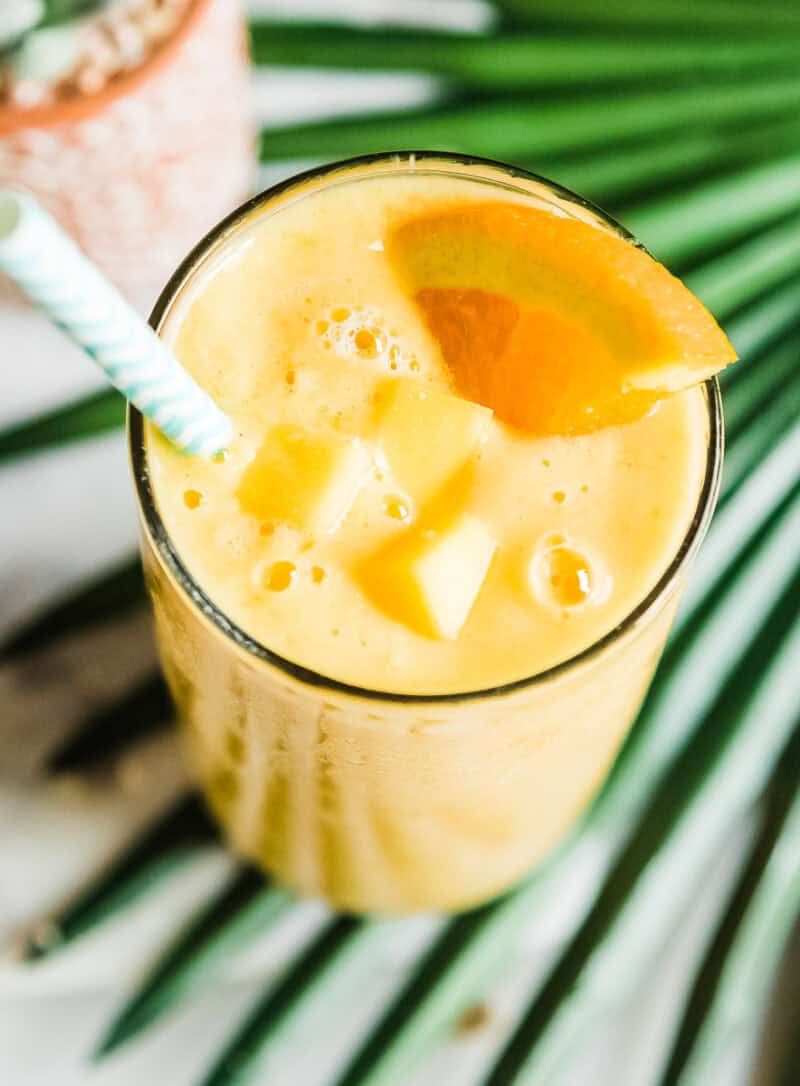
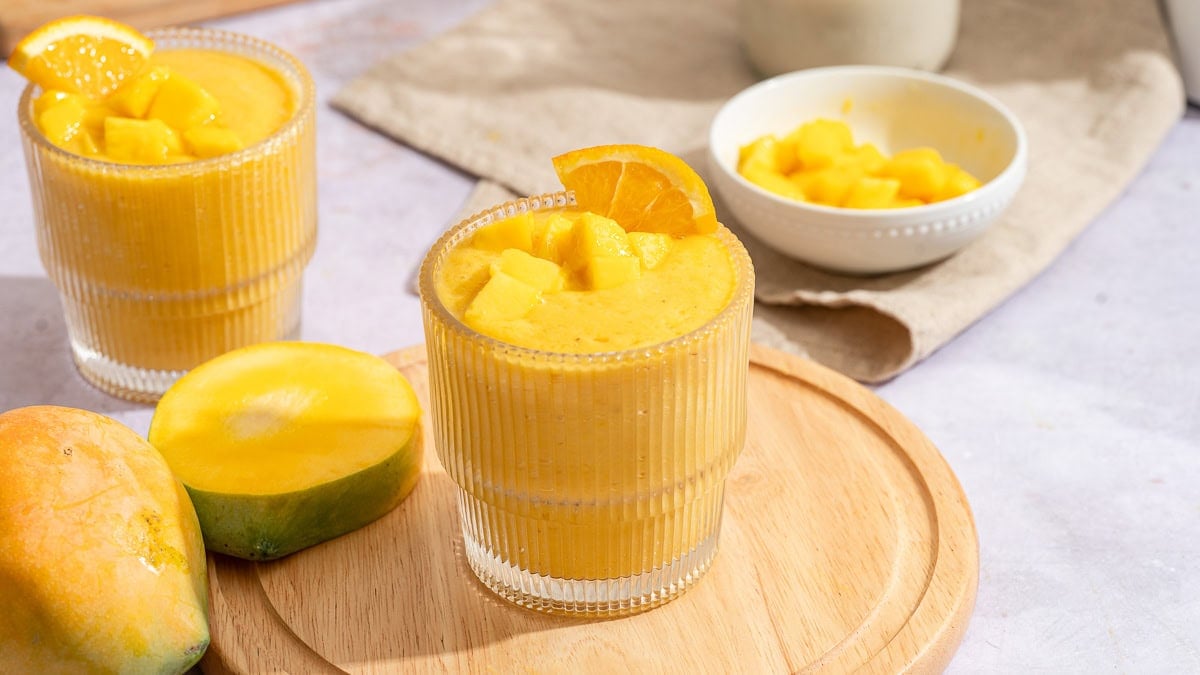
Golden Mango Smoothie

High-Protein Blueberry Smoothie

Strawberry Banana Smoothie
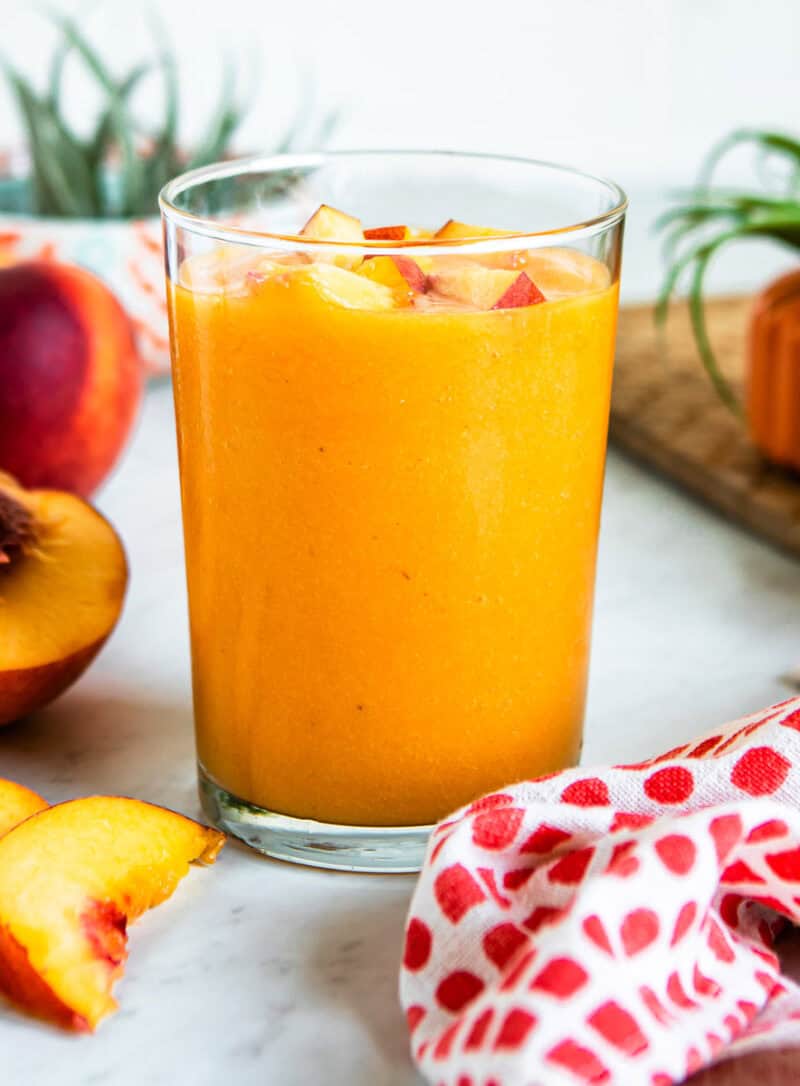
Sweet Peach Smoothie
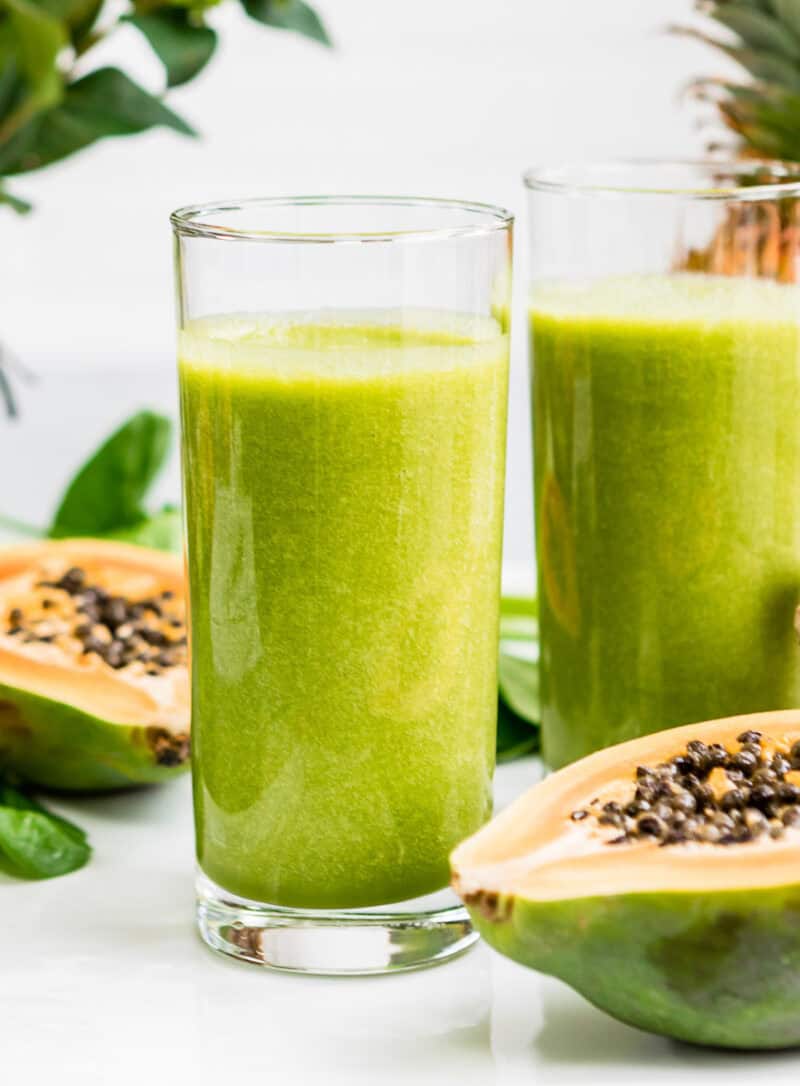
Spinach Papaya Smoothie
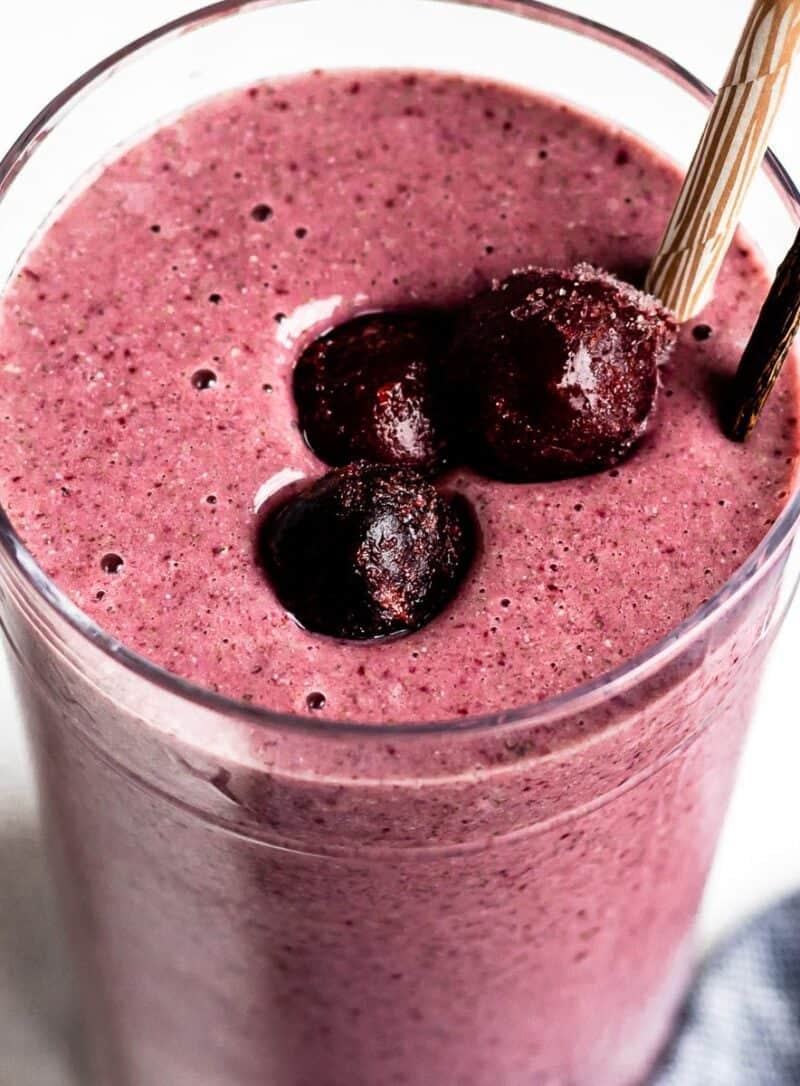
Cherry Vanilla Smoothie
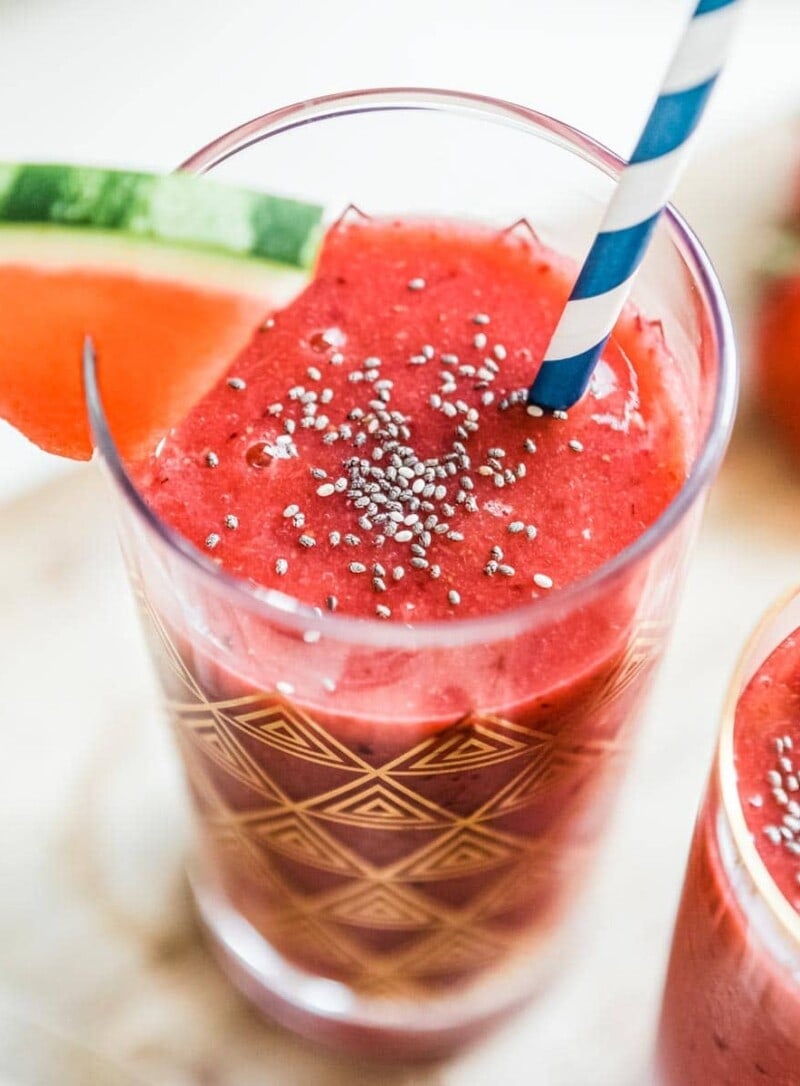
Juicy Watermelon Smoothie
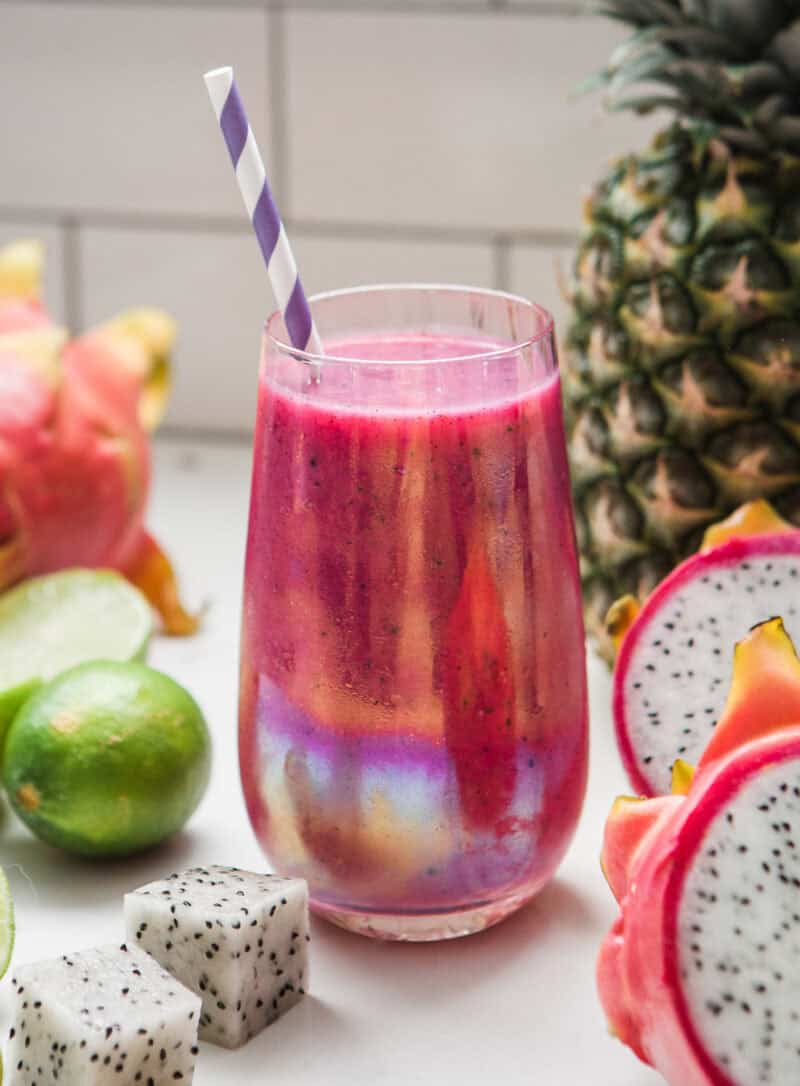
Dragon Fruit Smoothie
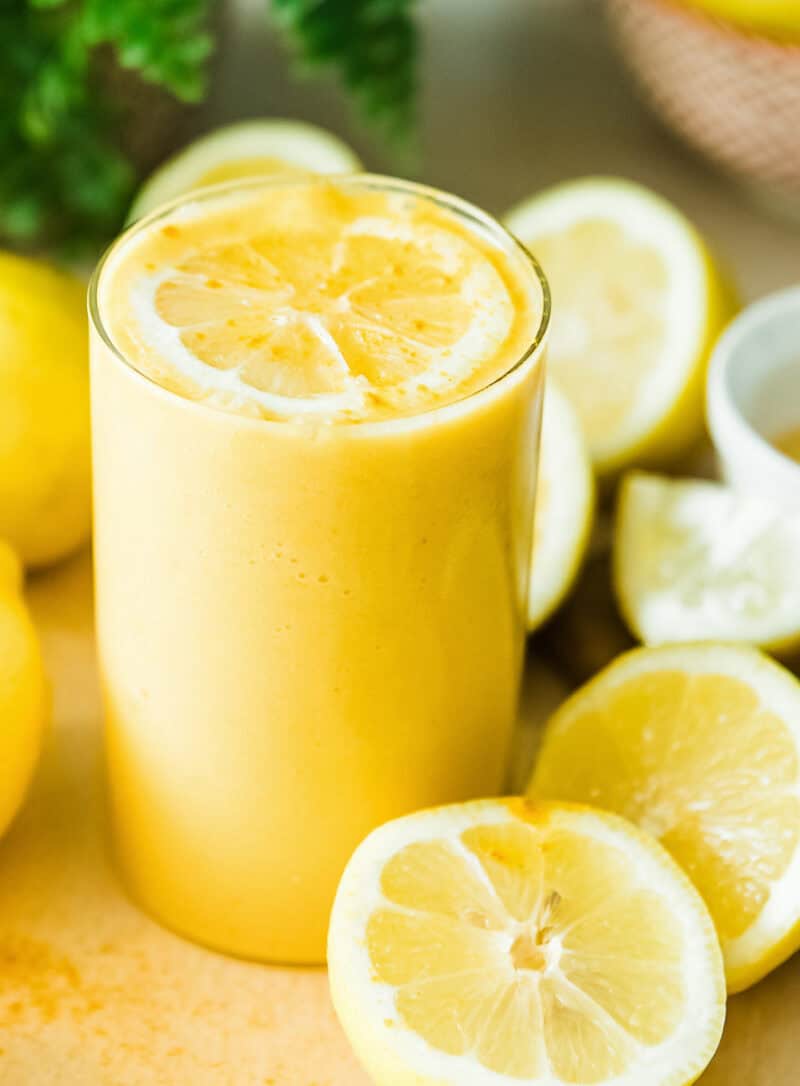
Perfect Lemon Smoothie
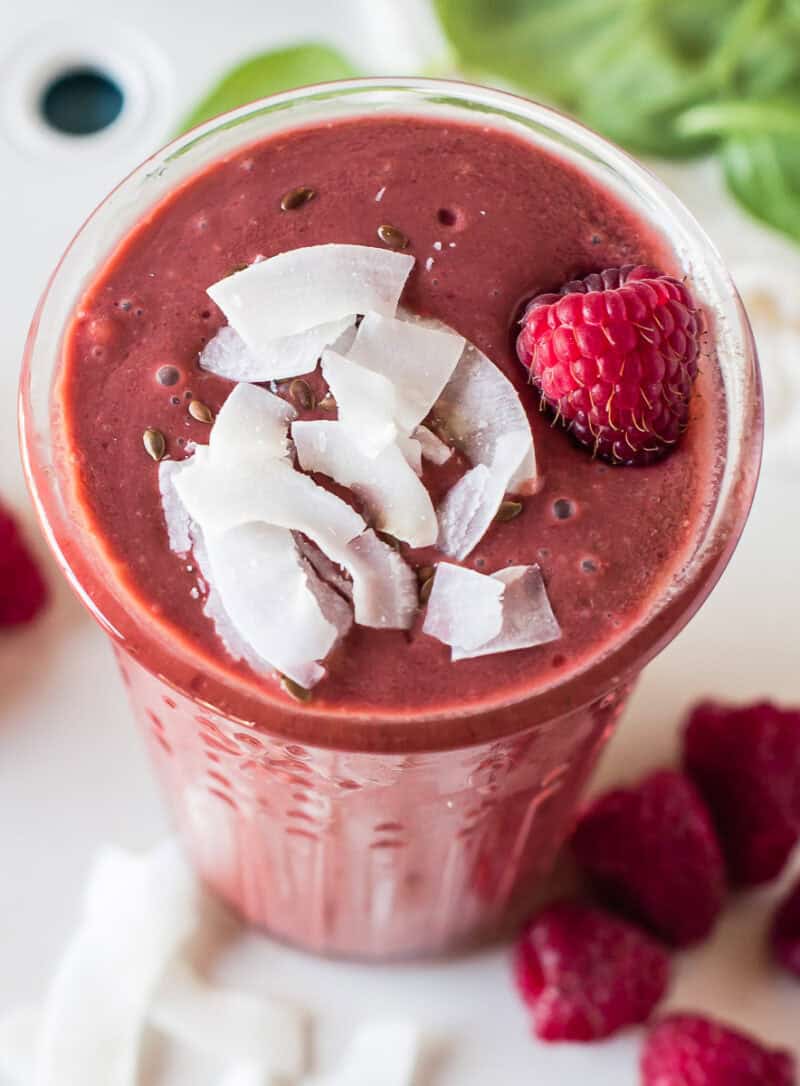
Coconut Raspberry Smoothie
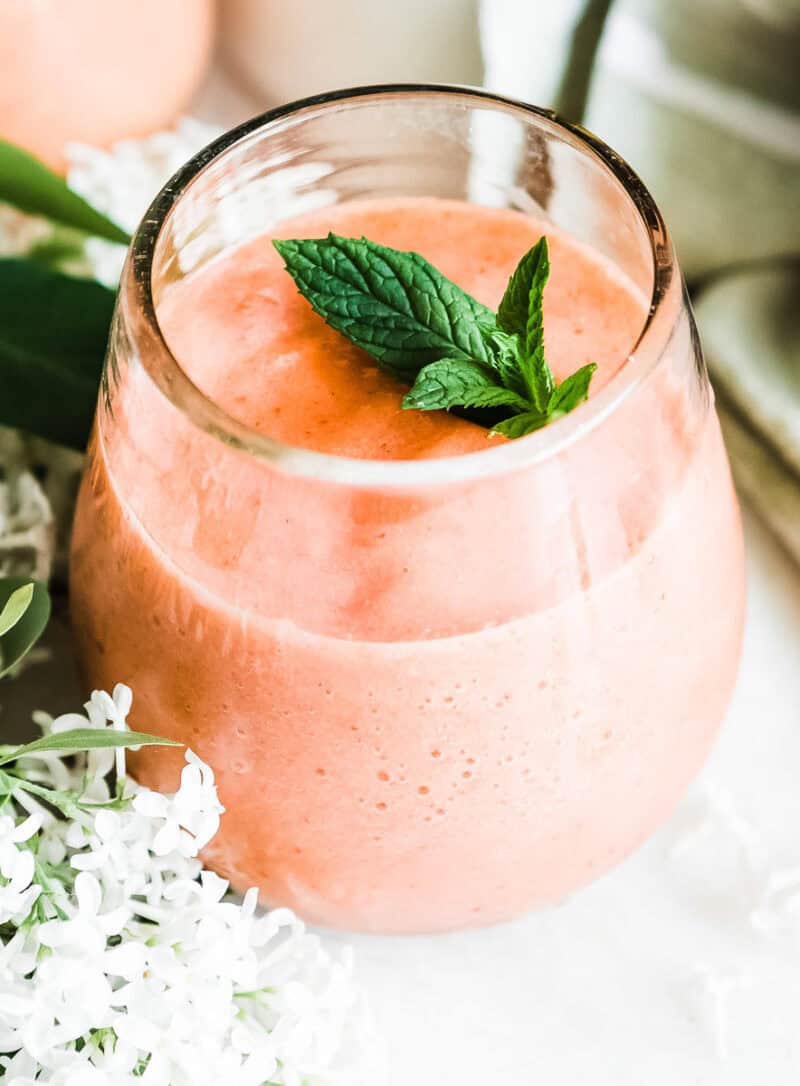
Pink Grapefruit Smoothie

Blackberry Elderberry Smoothie
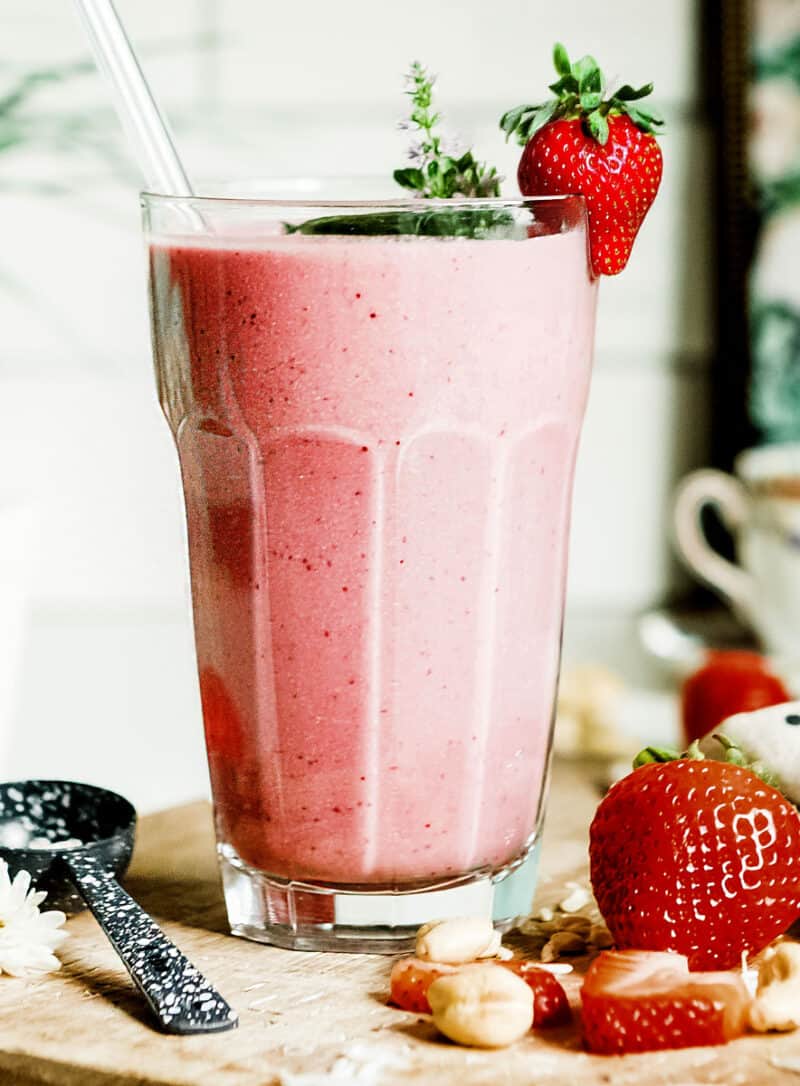
Creamy Strawberry Smoothie
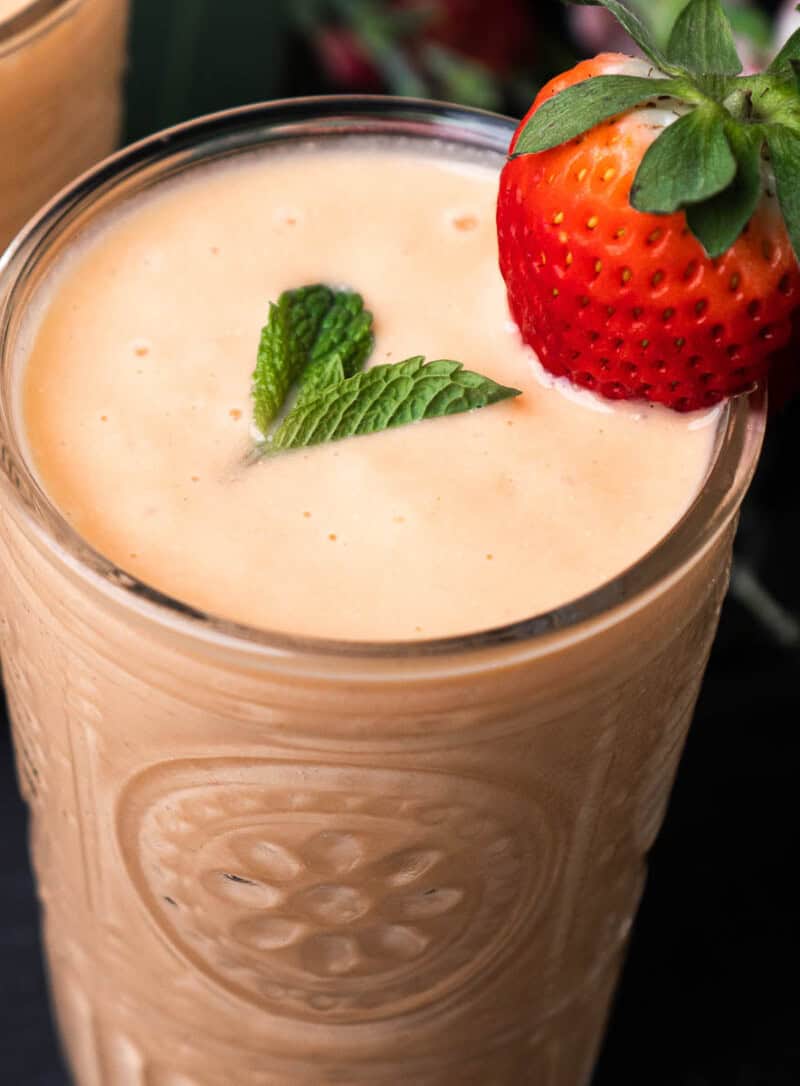
Cantaloupe Smoothie

Coconut Pineapple Smoothie
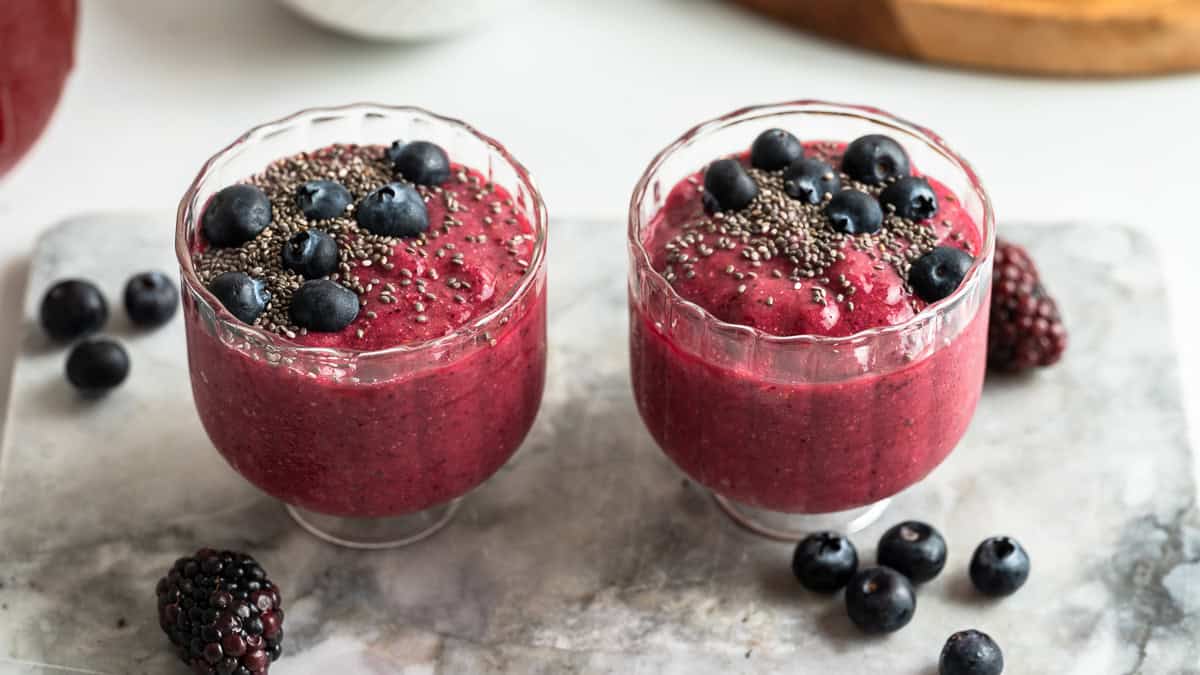
The Best Fruits for Smoothies
Almost any fruit can go in a smoothie, but some do a lot more work than others. I think about fruit in four groups: creamy fruits that give a smoothie its body, bright fruits that bring the flavor and color, melons and tropical fruits that keep things light, and lower-sugar fruits for when I want something less sweet. Pair a creamy fruit with a bright one and you’ll rarely blend a smoothie you don’t like.
Creamy Fruits
Bananas are the classic for a reason. A frozen, spotty banana makes any smoothie thick and naturally sweet, and it’s the base of most of my banana smoothie recipes. Mango does the same job with a tropical twist, so I always keep a bag of frozen chunks in the freezer for mango smoothies.
Peaches blend up silky and are the best way I know to use fruit that got a little too soft on the counter. You’ll find my favorite combos in these peach smoothie recipes. And don’t skip avocado. A small chunk makes a smoothie milkshake-thick, and you won’t taste it in these creamy avocado smoothies.
Bright Fruits
Berries, pineapple, citrus and kiwi are where the flavor comes from. A handful of frozen berries turns a smoothie a gorgeous color and pairs with just about anything, which is why my berry smoothie recipes get made on repeat at our house. Pineapple and orange add a tangy brightness that keeps a creamy smoothie from tasting flat.
Melons and Tropical Fruits
Watermelon, cantaloupe, papaya and dragon fruit are the ones I reach for on hot days. Melons are mostly water, so they blend up light and refreshing, and I freeze them in chunks so the smoothie stays cold without any ice. Papaya brings a mellow tropical sweetness, dragon fruit turns everything a gorgeous pink, and both love a squeeze of lime.
Lower-Sugar Fruits
When I want a smoothie that’s less sweet, I lean on raspberries, blackberries, strawberries, kiwi, lemon and lime. Here’s my full list of low-sugar fruits for smoothies, plus how I balance them with creamier fruit so the smoothie still tastes like a treat.
How to Make a Fruit Smoothie for Beginners
If you’re new to blending, keep it simple. Every fruit smoothie I make starts with the same few building blocks:
- Liquid: about 1 cup of cold water, non-dairy milk or coconut water per smoothie. Start with a little less if you like it thick.
- Fruit: one creamy fruit and one bright fruit, with at least half of it frozen so you can skip the ice.
- Something extra (optional): a spoonful of nut butter, chia seeds, hemp hearts, Greek yogurt, oats or a handful of spinach. You won’t taste the spinach, I promise.
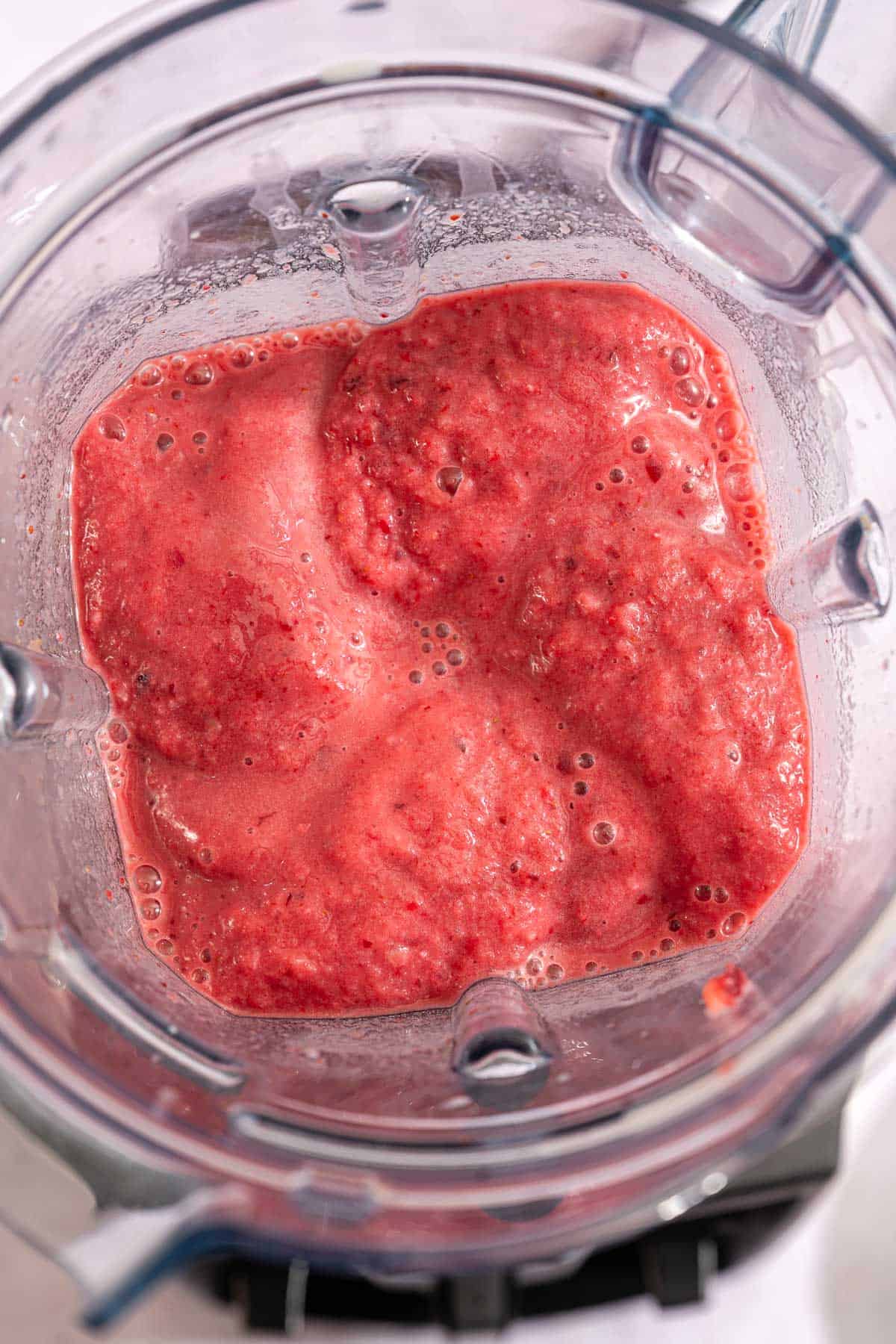
Add the liquid first, then softer fruit, then anything frozen, and blend on high for 30 to 60 seconds until smooth. That’s it. My full smoothie formula walks through every step, and if you want something even simpler, start with these easy smoothie recipes that use just three ingredients. When you’d rather have ten days of smoothies planned out for you, my 10-Day Smoothie Reset comes with a daily menu and a grocery list.
Fruit Smoothies Without Bananas or Dairy
Bananas and yogurt are the easiest way to get a creamy smoothie, but you don’t need either one. Frozen mango, avocado, cashew milk or a spoonful of chia seeds give you that same thick texture. These no-banana smoothies are the ones I send to friends who can’t stand bananas, and every recipe in my dairy-free smoothies roundup gets its creaminess from plant milk and frozen fruit instead.
Common Questions
Frozen fruit is actually one of the best smoothie hacks. It keeps your smoothie cold and thick without needing ice (which can water things down). Plus, frozen fruit is picked at peak ripeness, so it’s just as nutritious, sometimes even more, than fresh.
Yes, you can! Smoothies are best fresh, but you can store them in the fridge for up to 24 hours in a sealed container. Give it a good shake or stir before drinking. You can also make frozen meal prep smoothie packs (chopped fruit and add-ins) and freeze them—just blend when you’re ready.
Separation happens because the ingredients settle over time, especially if there’s a lot of water content. Just give it a quick shake or stir and it’ll come right back together. Adding ingredients like banana, yogurt, or oats can help keep it creamier for longer.
Creamy fruits like bananas, mango, peaches and avocado give a smoothie its body, while berries, pineapple, citrus and kiwi bring the flavor. My favorite combos pair one of each, like mango and pineapple or banana and strawberry. For a less-sweet smoothie, lean on raspberries, blackberries and kiwi.
Yes! Frozen banana, frozen mango, avocado, nut butter or a spoonful of chia seeds all make a smoothie thick and creamy without yogurt. Use non-dairy milk or coconut water as your liquid and blend until smooth.










Which fruit smoothie should I start with first?
I would look at what ingredients you have on hand. You may have everything you need to make a smoothie. Another tip is to look at all of the recipes and see what is calling you!
What’s the difference in taste between the berry smoothies that use almond milk versus the ones that mix in citrus or yogurt?
The smoothies that use almond milk have a creamier taste and the ones that use citrus have a lighter and brighter taste. The yogurt can also make the smoothie creamier. Let me know which type of smoothie you prefer.
My kids are super picky, but they’ve loved every single one of these fruit-forward recipes so far.
Excellent content here. The way you explained everything makes it easy to understand. Keep up the good work! (ref:72bbac922632)
Thank you!