

This post may contain affiliate links.
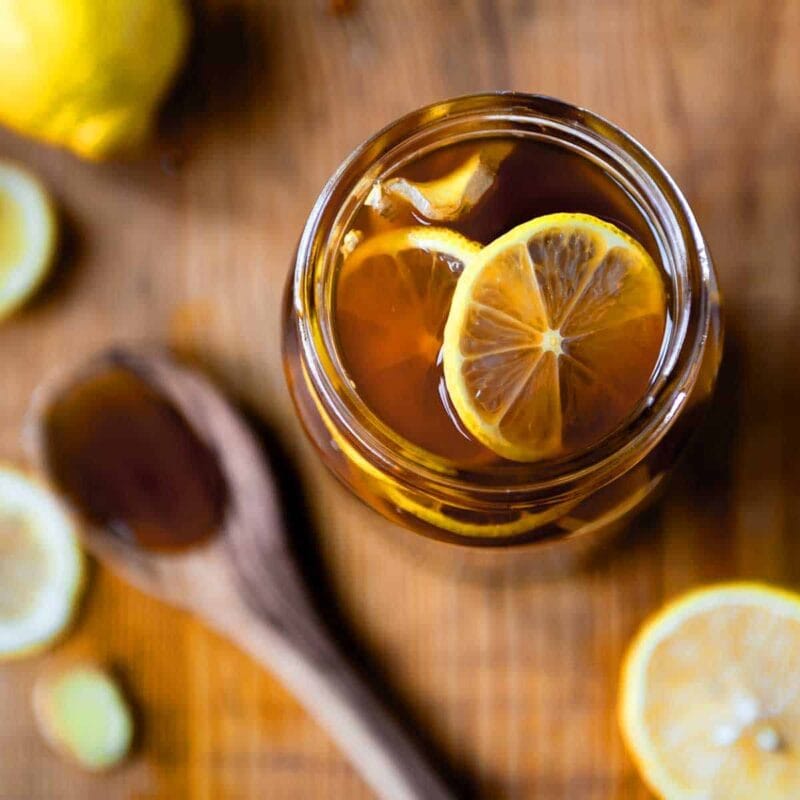
Some days I just want a mug of something bright, spicy and sweet, and my homemade ginger lemon honey tea is it.
I keep a jar of this in the fridge and scoop it into hot water whenever I want a mug. It takes a few minutes to make and tastes like a spicy lemon drop.
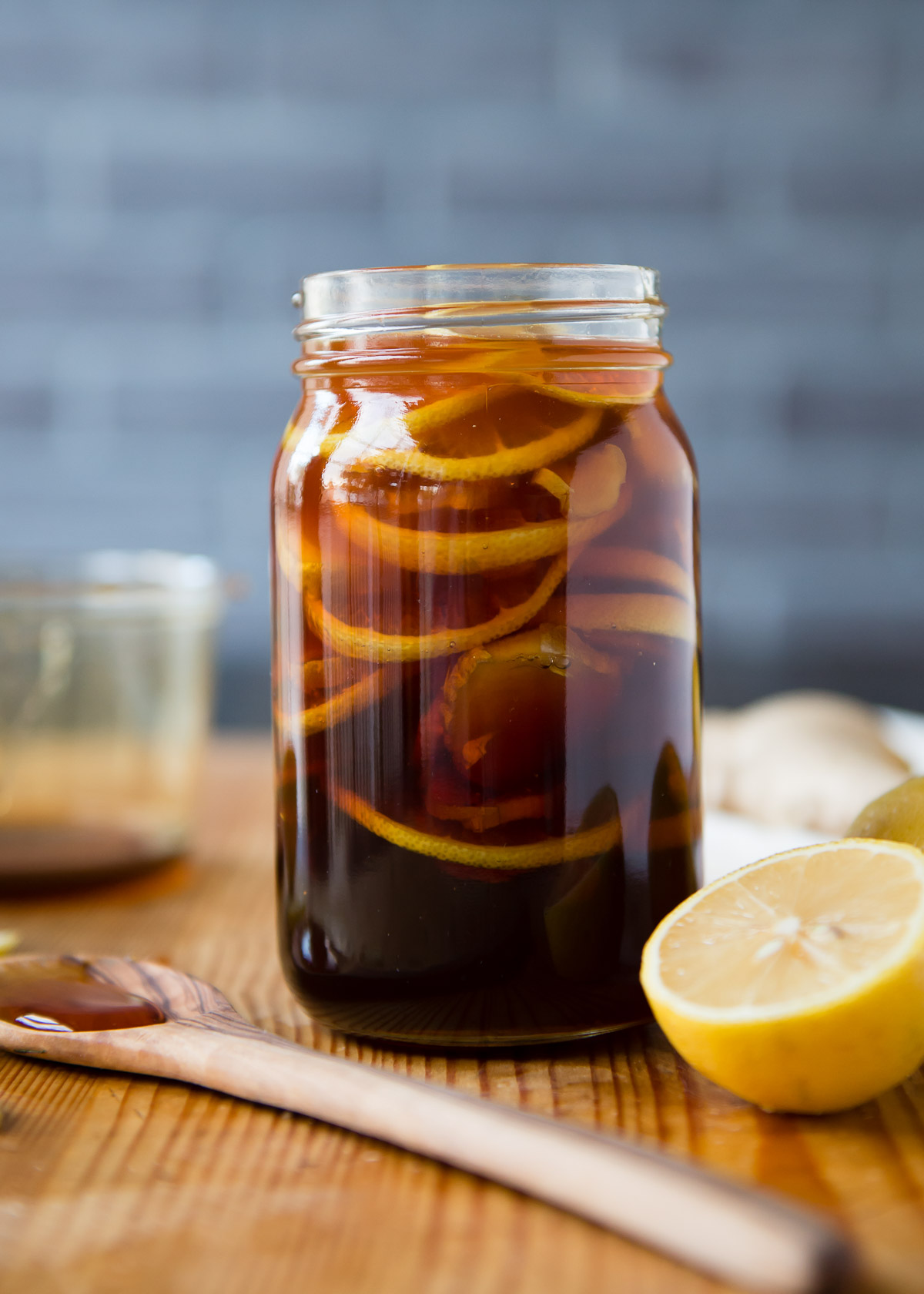
Table of Contents
Why I Love Ginger Lemon Honey Tea
It tastes amazing, and it’s the first thing I reach for when I want something warm. Here’s what I love about it:
- It’s sweet, tangy and a little spicy, like a lemon drop in a mug.
- Layer a jar in just a few minutes, then a warm mug is ready whenever you are.
- Just three whole-food ingredients you can find at any grocery store.
- A reader favorite: “I drink at least 2 cups of this every single day. It replaced my coffee and it’s refreshing. I also like it cold.” (Judith W.)
Ingredients You’ll Need
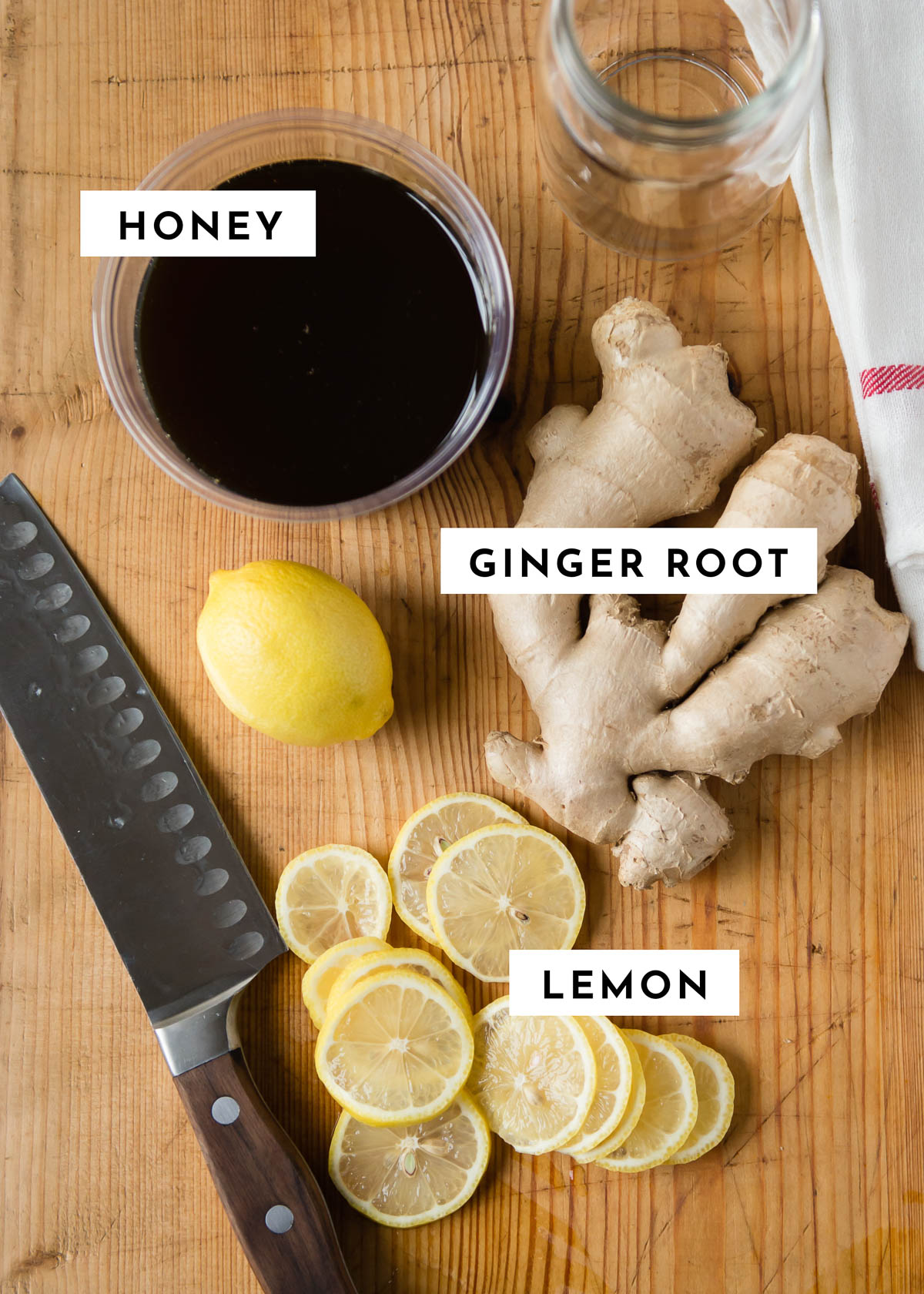
You only need three ingredients to make this Ginger Lemon Honey Tea. I like to batch it out into a large mason jar and store in the fridge until needed.
- Fresh lemons: Fresh lemon juice is high in vitamin C and adds a bright, tangy flavor. Use organic lemons or really scrub the peel to remove any pesticide or wax residue. You can create fresh lemon juice by squeezing by hand or using a juicer.
- Fresh ginger root: Ginger is anti-inflammatory, and it brings a warm, spicy kick. Found in the produce section. You’ll want to wash it well and cut into thin ginger slices. If you can’t find it, try using herbal ginger tea from a box.
- Raw honey: Raw local honey adds natural sweetness and balances the tartness of the lemon and ginger. Use raw local honey or Manuka honey for the best results. Infants under one year of age should avoid honey as it can cause botulism.
Save this Recipe
Enter your email & I’ll send it to you!
How to Make Ginger Lemon Honey Tea
This ginger, lemon and honey tea is ideally made in a large batch to have all season long. It’s ready in just a few minutes. You can make it fresh with hot water, slice of lemon, ginger, and honey, or you can make it in bulk like I do. Here’s my preferred method:
- Cut lemons and fresh ginger root into thin slices.
- Alternate layering into an airtight jar (ex: mason jar).
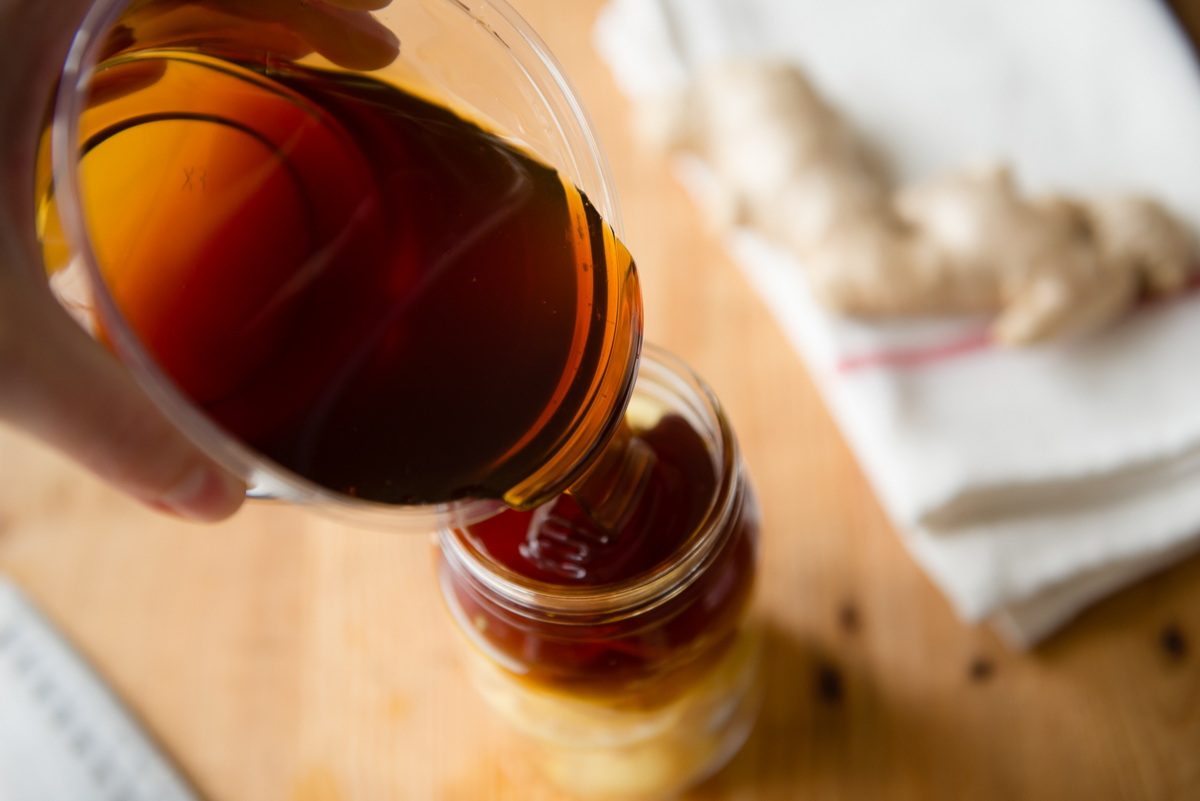
- Slowly, pour honey over the lemon slices and fresh ginger root and fill jar to the top. Seal tightly.
- Store in the refrigerator until needed.
- When ready to use, add a large scoop to a mug of hot water. Stir well and sip it down.
Storage Tip
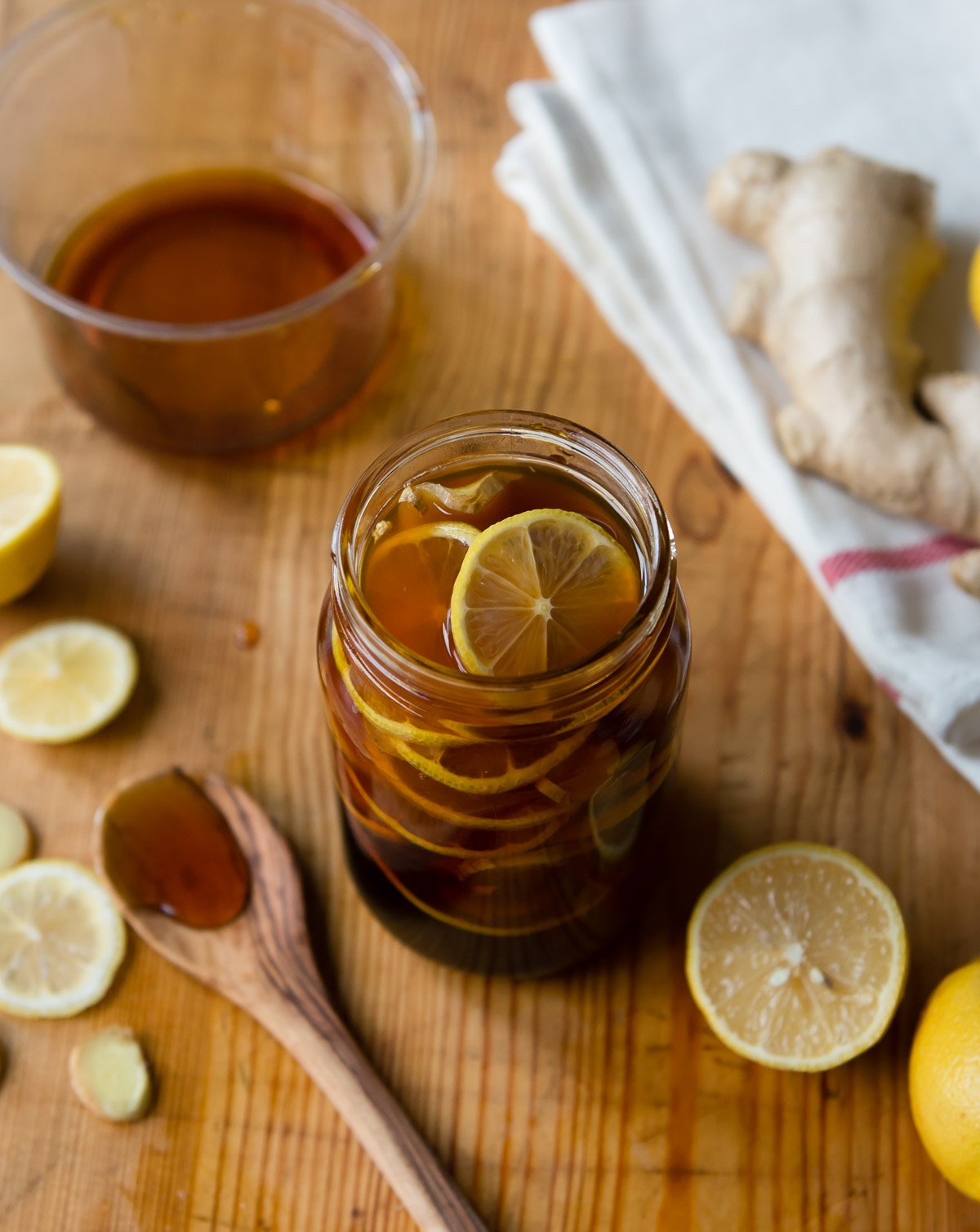
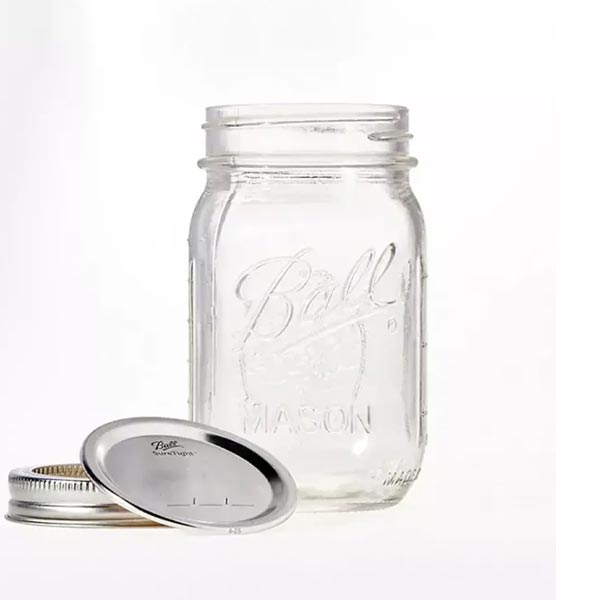
I love using mason jars to store my homemade tea concentrates, like this ginger lemon honey tea that’s in a quart-size mason jar with a wide mouth.
Common Questions
Ginger lemon honey tea is a simple, flavorful way to enjoy a warm drink made from whole ingredients. Ginger is anti-inflammatory, lemon is high in vitamin C, and raw honey adds natural sweetness.
Yes! That’s how I make it. Layer lemon slices, ginger and honey in a jar, store it in the fridge, and scoop a few tablespoons into hot water whenever you want a mug.
Honey rounds out the tartness of the lemon and the spice of the ginger, and it lets the flavors mingle in the jar. Ginger is anti-inflammatory, and together they make a mellow, sweet-spicy mug.
More Natural Remedy Recipes
Thirteen years ago, I started on this wellness journey and tried more homemade recipes than I can count. Some were a bit wild and I only did once, whereas others were winners I still make. Here are a few that have stuck with me:
- Elderberry Syrup: A homemade syrup I keep stocked, and when you can turn it into elderberry popsicles, I’m 100% in.
- Homemade Fire Cider: This bold, tangy tonic is not for the faint of heart.
- Sleep Tea: A cozy, caffeine-free herbal tea for winding down.
Ginger Lemon Honey Tea
Jen HansardVideo
Ingredients
- 2 lemons organic
- 2 inch ginger root
- 1 cup raw honey
Instructions
- Slice lemons and ginger.
- Place the lemon and ginger slices in the mason jar, alternating layers of each.
- Slowly, pour honey over the lemon and ginger. Allow the honey to sink down and around the lemon and ginger slices. Fill jar to the top with honey and seal tightly.
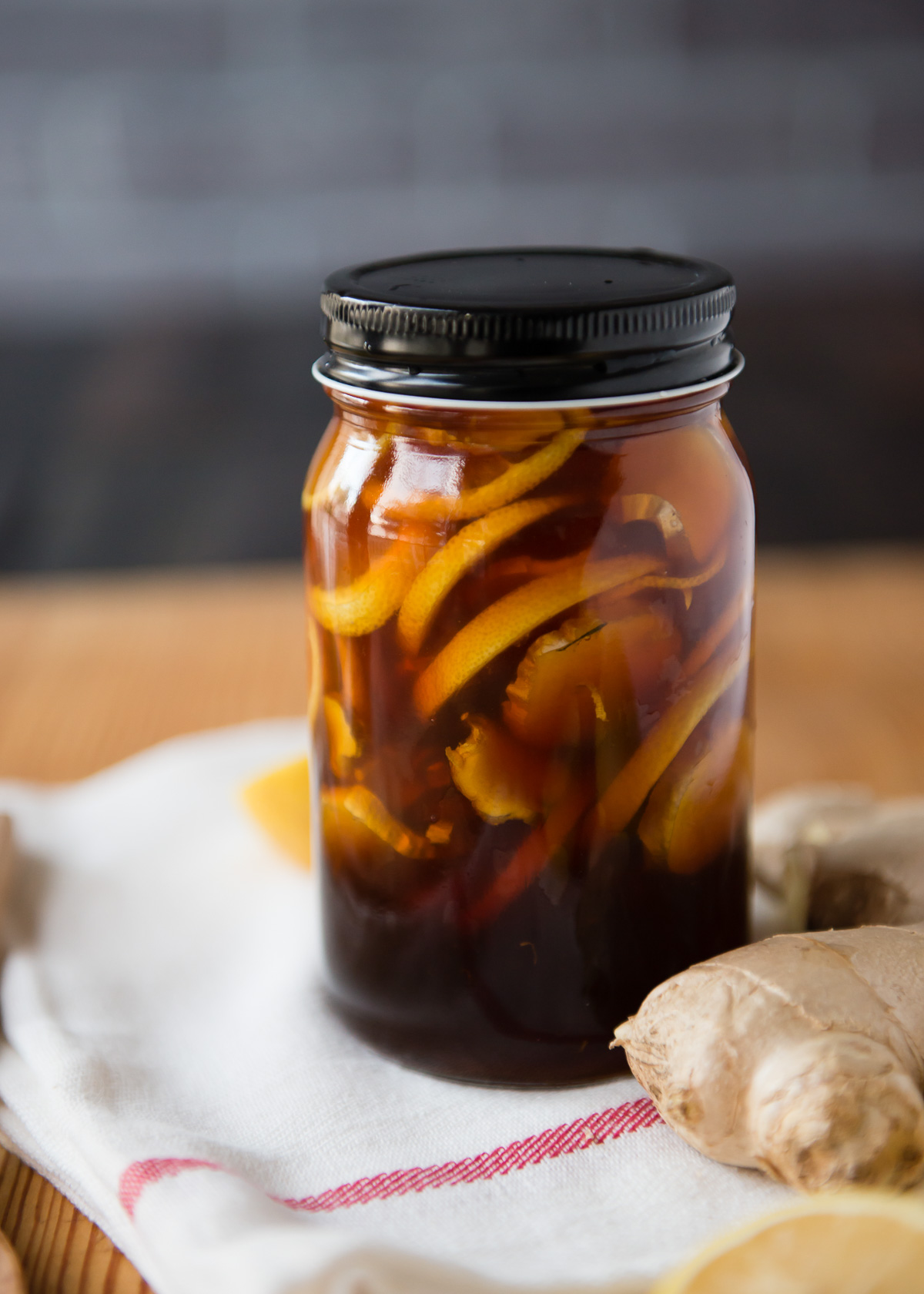
- Store in the refrigerator. Over time, the mixture will start to turn into a loose jelly.
- When you are in need of some soothing tea for cough, scoop 2-3 tablespoons into a mug full of hot water—be sure to scoop whole pieces of ginger and lemon. Allow to steep for 3-4 minutes and sip away.
Recipe Notes
- Since lemons are going into this concentrate, make sure to wash them well before slicing.
- Use a jar with a tight-fitting lid to ensure this mixture stays protected.
- For best personal results, use raw, local honey that was made within the season you are using it.











Do you scoop out just the honey in warm water? OR do you put some lemon and ginger in the water too?
Hey Amy.
Great question. Scoop out the honey and a piece of lemon and ginger. 🙂
One of the Hockey Mom’s (Coaches Wife) made this for her husband says he really liked it and it helped a lot. I would like to try it. But what is raw honey? Can you use the BillyBee Honey?
Hey Sheila.
Thanks for the comment! 🙂 Raw honey would mean that is uncooked to make sure all the nutrients and enzymes are still in there. If you can’t find a honey at your store with the label ‘raw’ then go ahead and use BillyBee. 🙂 Hope you enjoy it.
We have had ours in the fridge for several weeks and it still has not jellied, other than about a half inch on the bottom. The rest is still liquid. Is it okay to use this way? Any ideas as to what might cause it to be this way (so we can try something different next time)?
Hey Angie.
Thanks for the comment. Is your mixture in a sealed container?
Greetings! Ty for this awesome recipe! I’m just curious, what makes you say it’s shelf life is 2 months? 😀
Hey ChiquitA.
Thanks for reaching out to us and for the question. The shelf-life in the fridge, if stored in a glass jar with a tightly fitting lid, is 2+ months. Some people say honey can last years. But honestly our doesn’t stick around very long once we make it, couple weeks, tops. 🙂 If you don’t feel like it is edible, then just throw it out, better safe than sorry. Hope that helps.
And honey has antibacterial qualities!
Can I Ninja blend all the ingredients together then refrigerate? Thank you so much for the great information!
Hey Laura.
Great question. We haven’t tried that method, but if that is something you would like to try, go for it! 🙂
I tried that and it wasn’t as good. It turns mushy and I couldn’t take it. But I have been chopping ginger and lemon in small pieces and taking 2-3 spoonful of it every morning with the water. Never tried with hot water as tea – but will now!
Hope you enjoy it better as a tea. 🙂